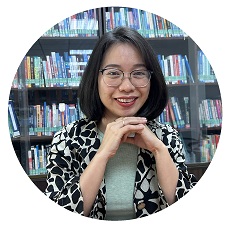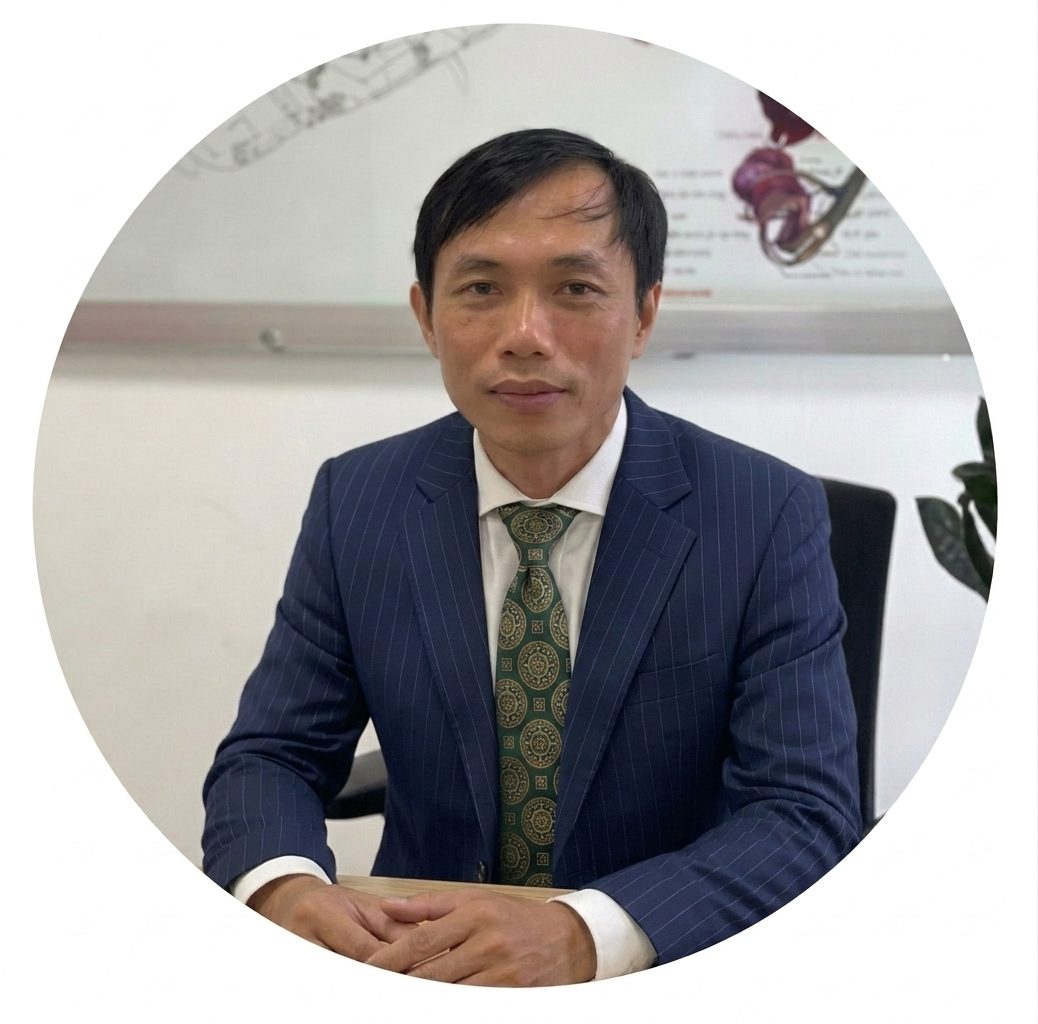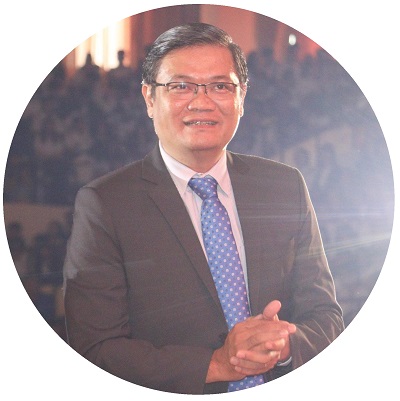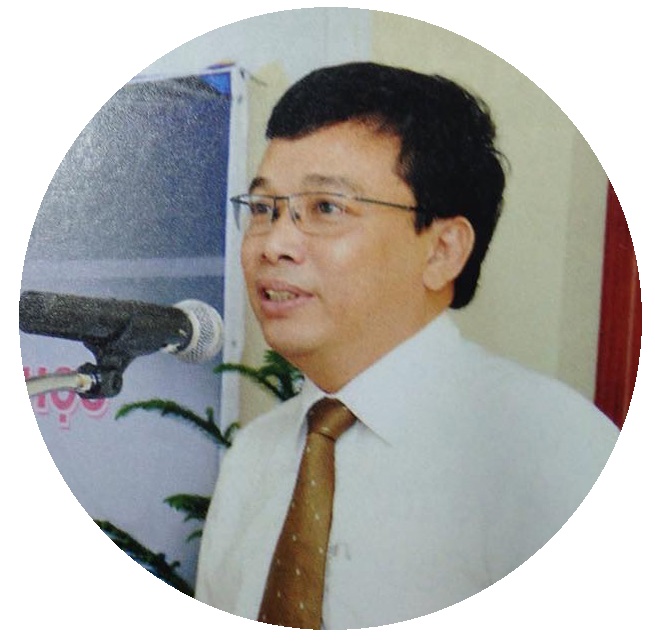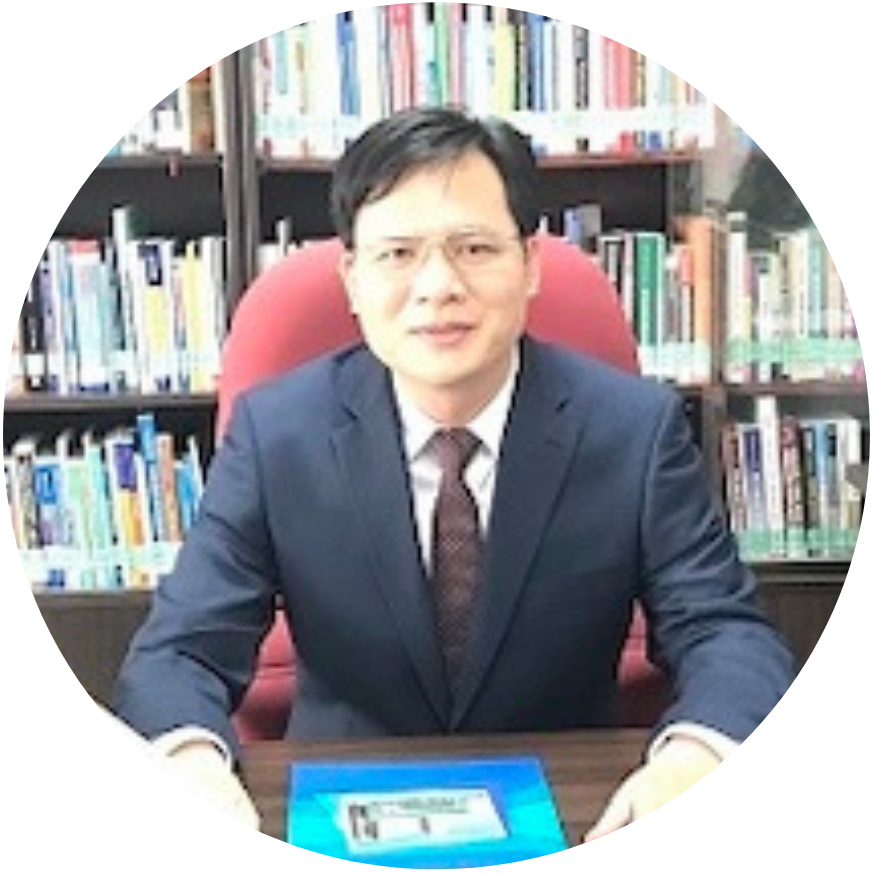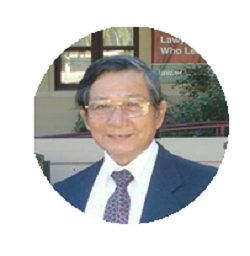
Prof. Dr. Le Thanh Tung
Dean of the Faculty
Email: tung.lt@ou.edu.vn
Dean of the Faculty
Email: tung.lt@ou.edu.vn
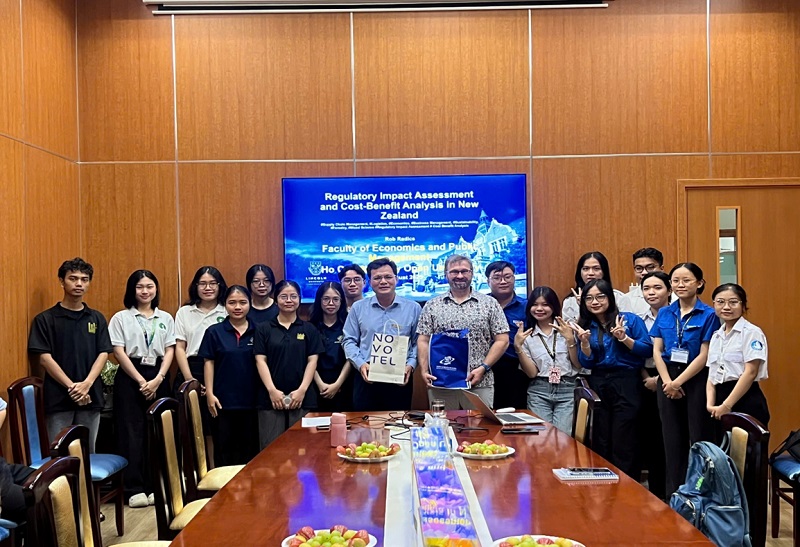
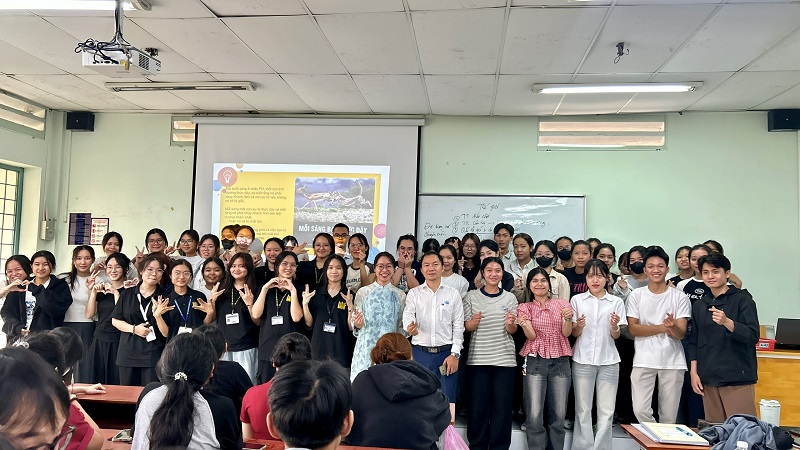
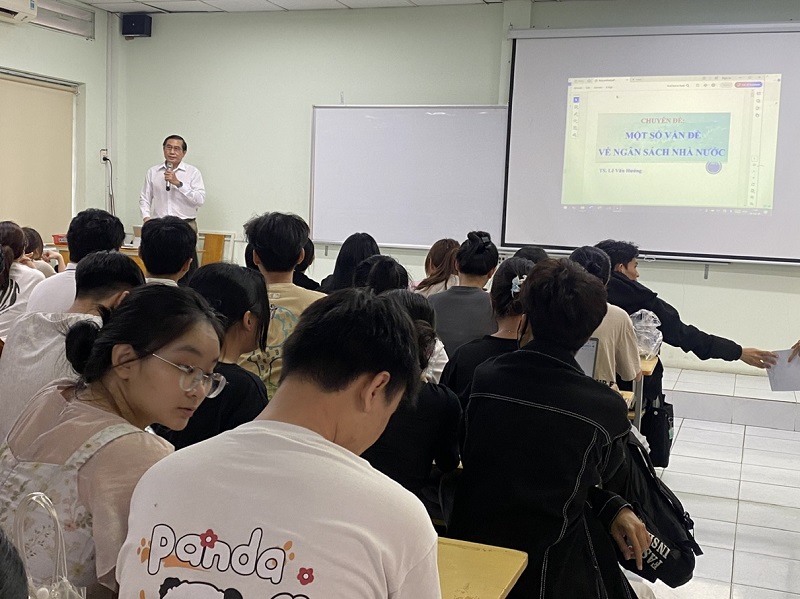
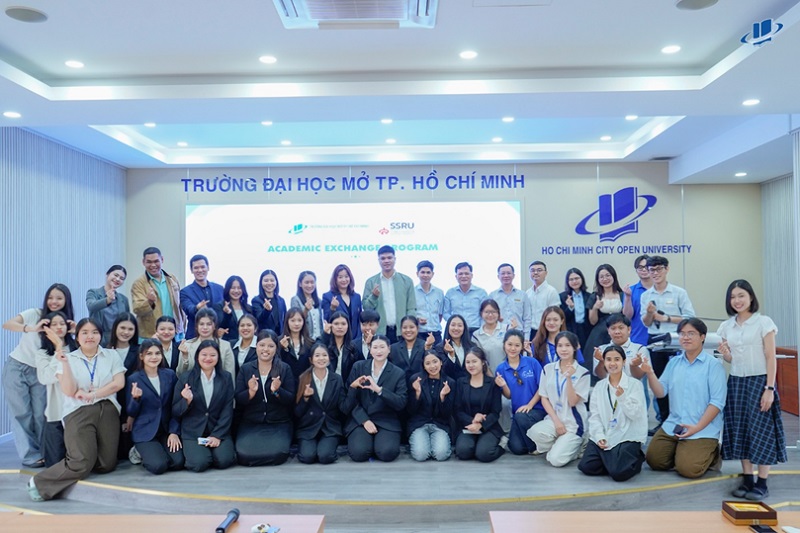
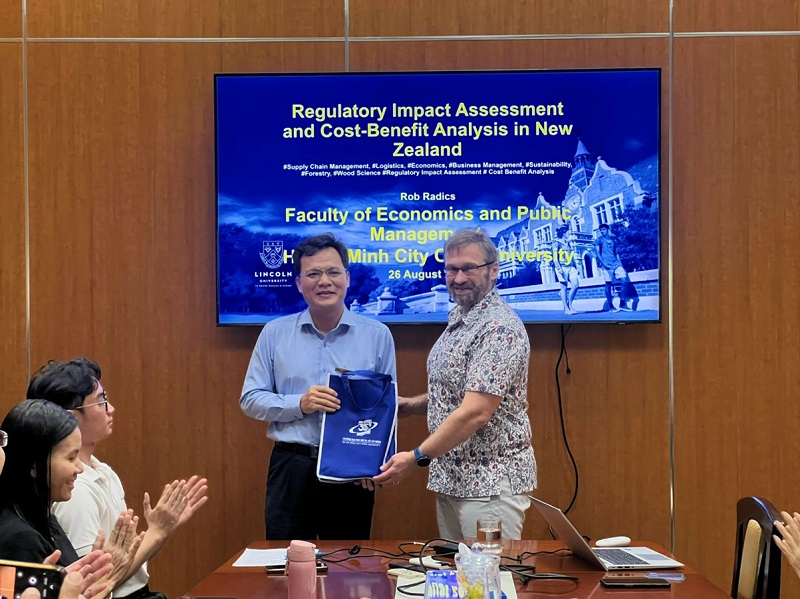
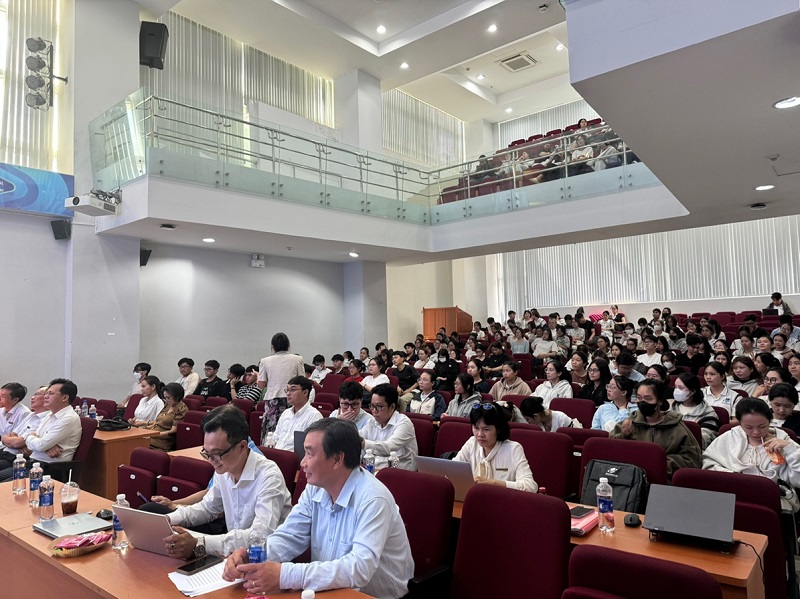
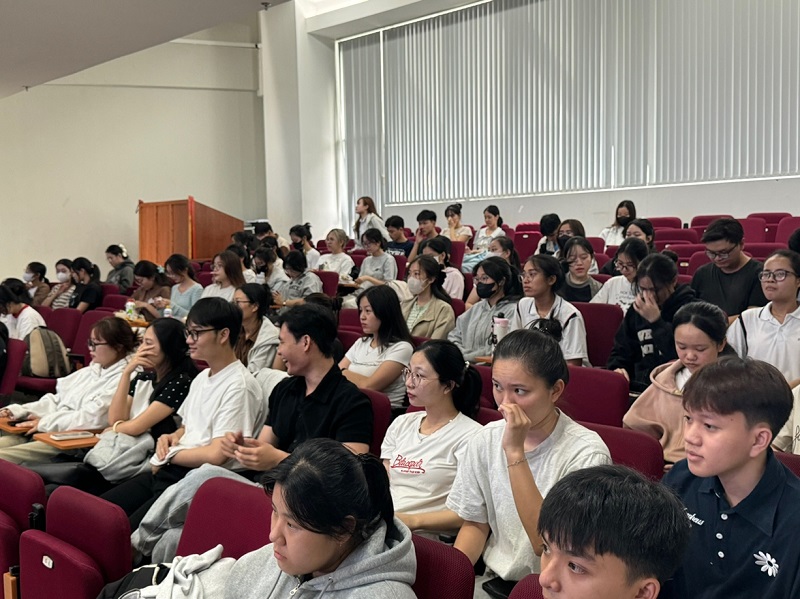
On the morning of August 26, 2025, at Room 104, Campus 35–37 Hồ Hảo Hớn Street, the Faculty of Economics and Public Management, Ho Chi Minh City Open University, successfully convened an academic exchange session with distinguished guest speaker Dr. Robert Radics from Lincoln University, New Zealand. The event served as a meaningful academic forum, attracting the active participation of numerous faculty members and student representatives of the Faculty.
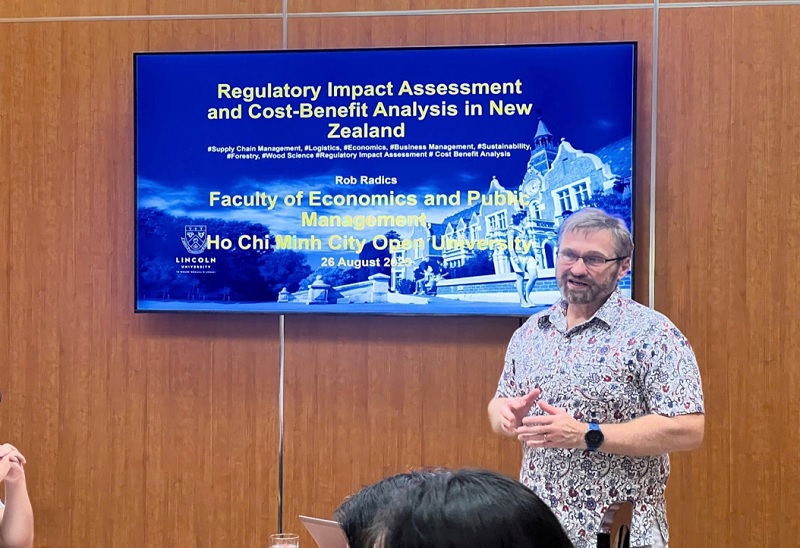
In his keynote presentation, Dr. Robert Radics delivered a lecture entitled “Regulatory Impact Assessment and Cost-Benefit Analysis in New Zealand: Two Case Studies.” By introducing two illustrative cases, he provided concrete insights into the application of Regulatory Impact Assessment (RIA) and Cost-Benefit Analysis (CBA) in the processes of public policy formulation and economic evaluation in New Zealand. His presentation offered not only specialized academic knowledge but also valuable practical experiences, thereby enabling participants to gain a deeper appreciation of the role of modern analytical tools in designing effective public policies.
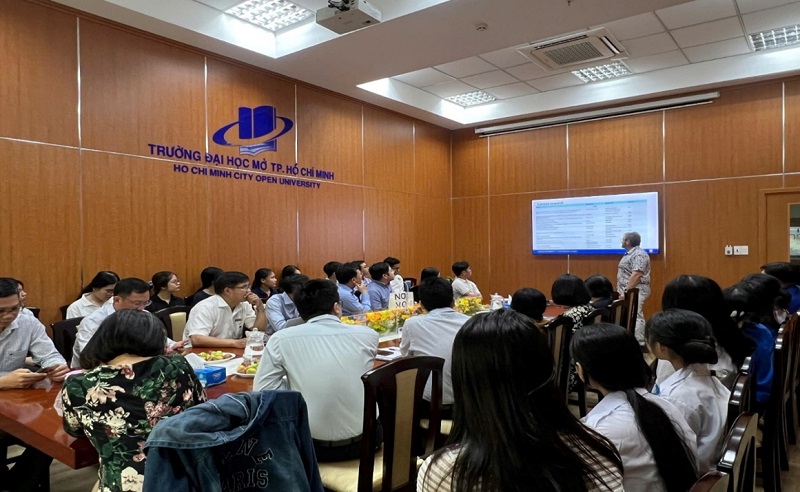
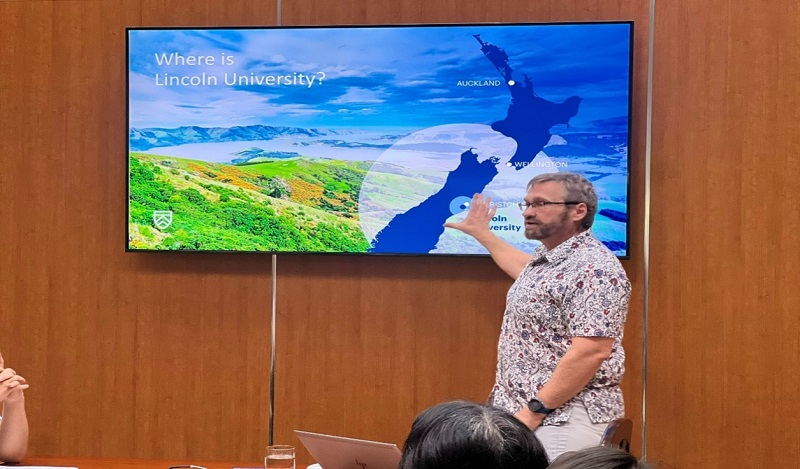
The subsequent discussion was animated and productive. Faculty members and students posed numerous questions concerning the applicability of these models within the Vietnamese context. The cordial, open, and candid atmosphere facilitated an exchange of perspectives, encouraged critical reflection, and suggested promising directions for further research. Notably, many students expressed great interest as this was their first exposure to internationally recognized approaches to policy analysis, which inspired a strong desire to engage more actively in academic projects and scholarly endeavors in the future.
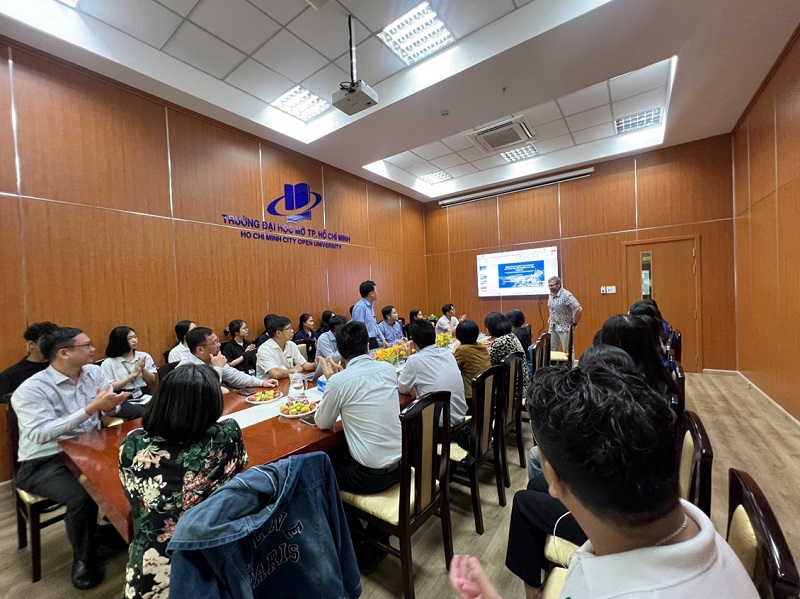
The seminar delivered not only practical academic value but also paved the way for future cooperation between the Faculty of Public Economics and Management at Ho Chi Minh City Open University and Lincoln University. This event underscores the commitment of both the university and the faculty to fostering international collaboration and enabling their students and faculty to access global knowledge./.
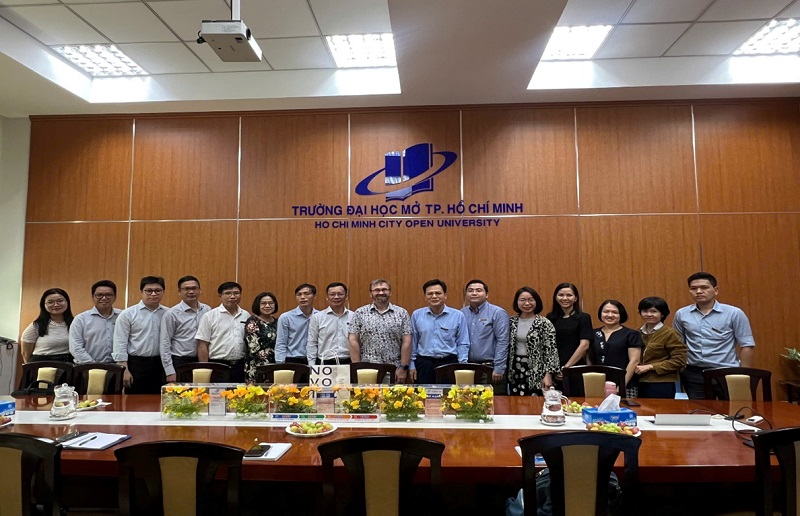
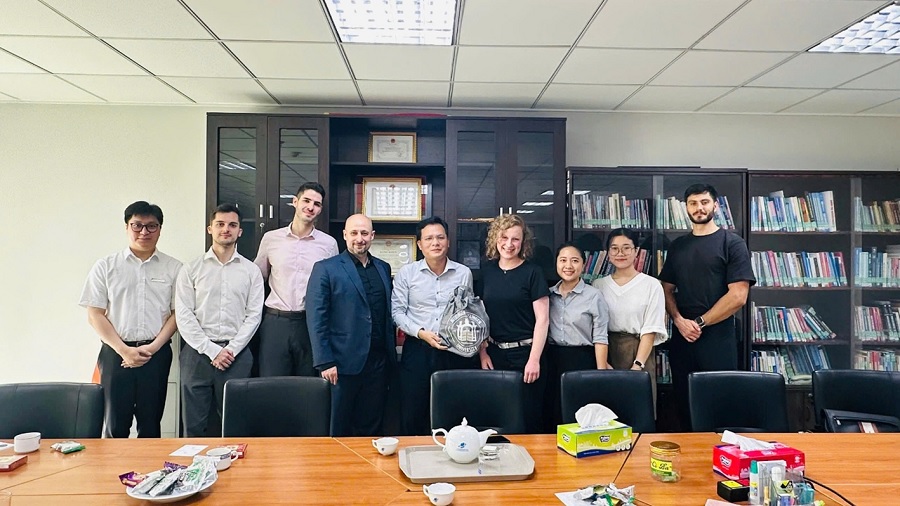
On October 1, 2025, the Faculty of Economics and Public Management, hosted a meeting with representatives from HfWU Nürtingen-Geislingen University (Germany), as well as from the technology companies SUMO Technology and Synapsyx (Austria). The meeting aimed to explore opportunities for collaboration in research, education, and technological applications, particularly in the fields of sustainable development and artificial intelligence (AI). Potential areas of cooperation discussed included training exchange on sustainability, enhancing international student exchange programmes, and organising workshops and short courses delivered by partner experts.
HfWU Nürtingen-Geislingen University is well known for its interdisciplinary programmes in sustainability, real estate business, economics, and finance. In its long-term strategy, the university has set clear sustainability goals with plans to reduce emissions, improve energy efficiency, invest in renewable energy, and promote sustainable practices among students and staff. On the business side, SUMO Technology and Synapsyx are recognised for developing AI-based training support tools that combine artificial intelligence with the expertise of lecturers and trainers to optimise the learning experience. This meeting laid an important foundation for future cooperation between the Faculty of Economics and Public Management and its academic–industry partners, contributing to improved training quality, fostering applied research, and bringing practical benefits to students. Building on the foundations of cooperation established between the Faculty of Economics and Public Management, HfWU Nürtingen-Geislingen University (Germany), SUMO Technology, and Synapsyx, this partnership will pave the way for the development of intelligent learning platforms, where AI is applied to personalize learning pathways for each student and support lecturers in analyzing learning data to improve teaching quality. Joint research projects on AI in public management, green economy, or sustainable urban development could also become key highlights, contributing to solving practical issues in Vietnam and internationally.
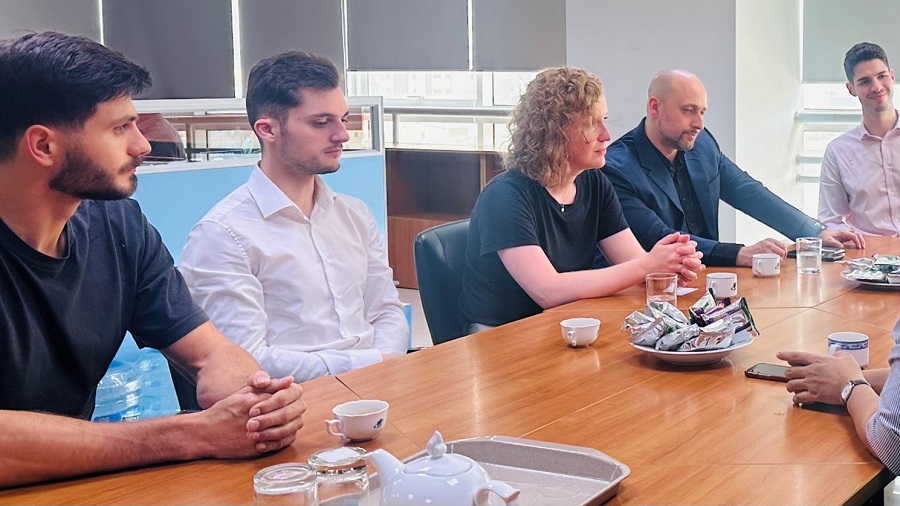
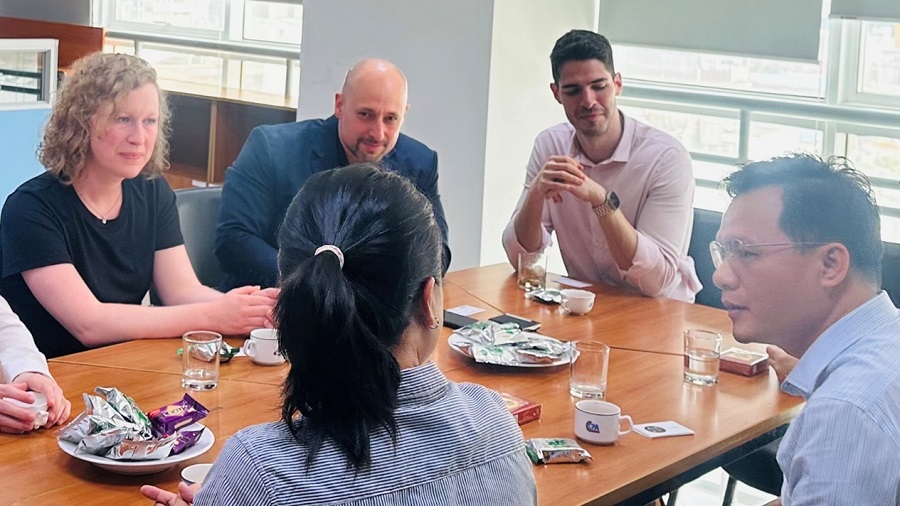
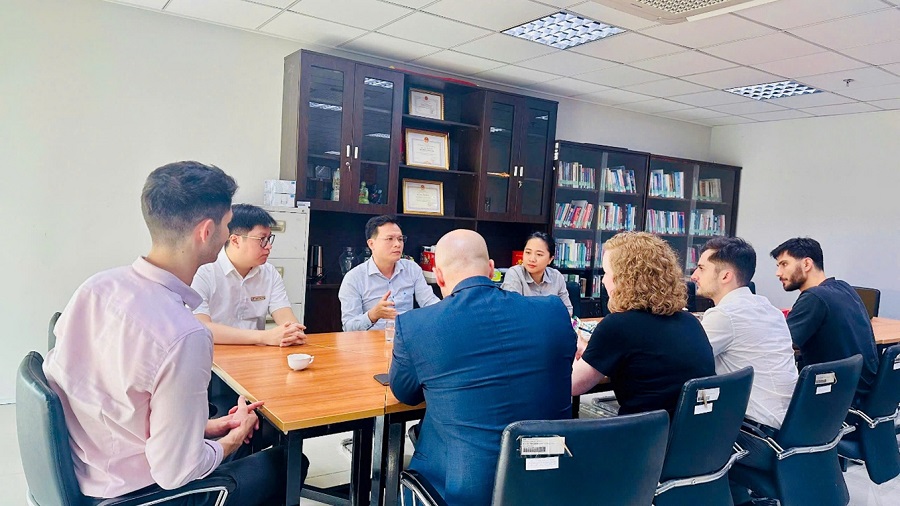
This is not only a collaborative effort that opens up opportunities to enhance the Faculty’s capacity in education and research, but also a crucial step in enabling students to become future experts who are ready to master AI technology and apply it across diverse fields.
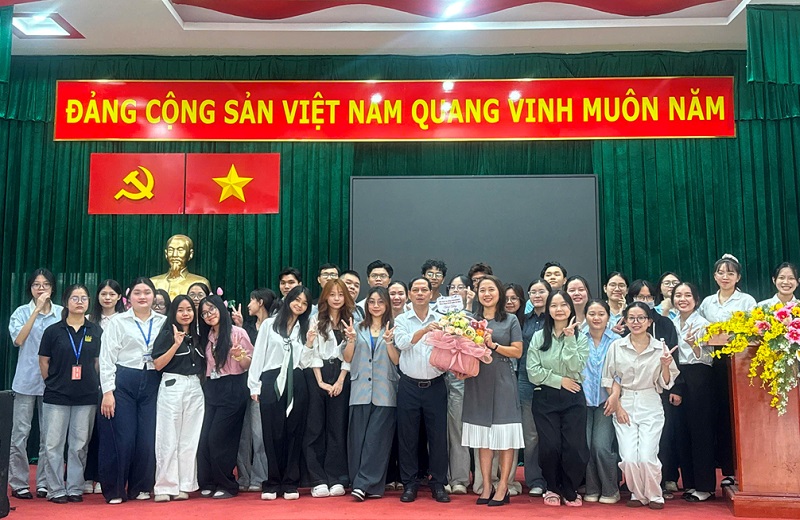
On the afternoon of December 18, 2025, as part of the Public Services course, nearly 40 students from class DH22PM01, Public Management program, Faculty of Economics and Public Management, Ho Chi Minh City Open University, took part in a field trip and practical learning session at the Gia Dinh Ward Public Administration Center (Ho Chi Minh City). The trip was organized to give students direct exposure to a grassroots-level public service delivery model, under the guidance of MSc. Pham Thi Thu Hien, the lecturer of the course.
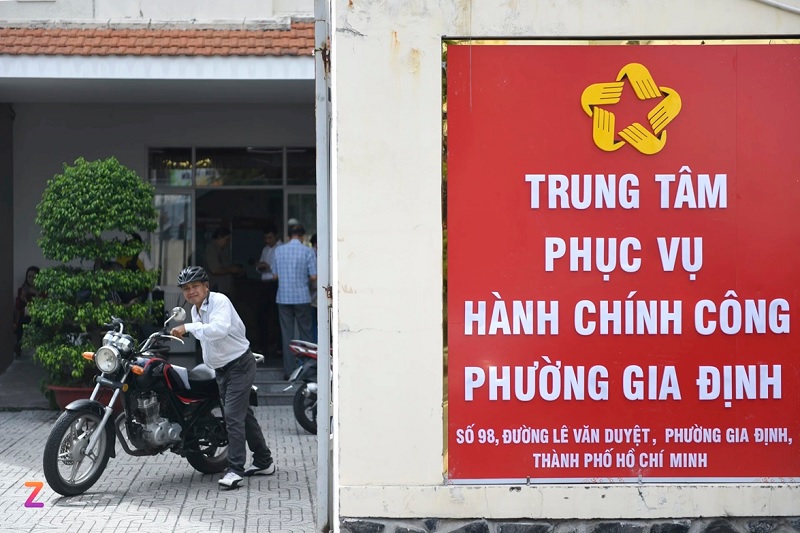
Hands-on experience with the “one-stop-shop” public service delivery model
During the visit, Mr. Vo Van Si, Deputy Director of the Gia Dinh Ward Public Administration Center, gave an overview of the organizational structure, functions, and duties of the Gia Dinh Ward People’s Committee, as well as the role of the Public Administration Center in receiving and processing administrative procedures for citizens. As Gia Dinh Ward was formed following the merger of administrative units, resulting in a large population and a high volume of administrative transactions, the “one-stop, inter-connected one-stop” model plays a key role in ensuring consistency, openness, and transparency in processing administrative procedures for residents.
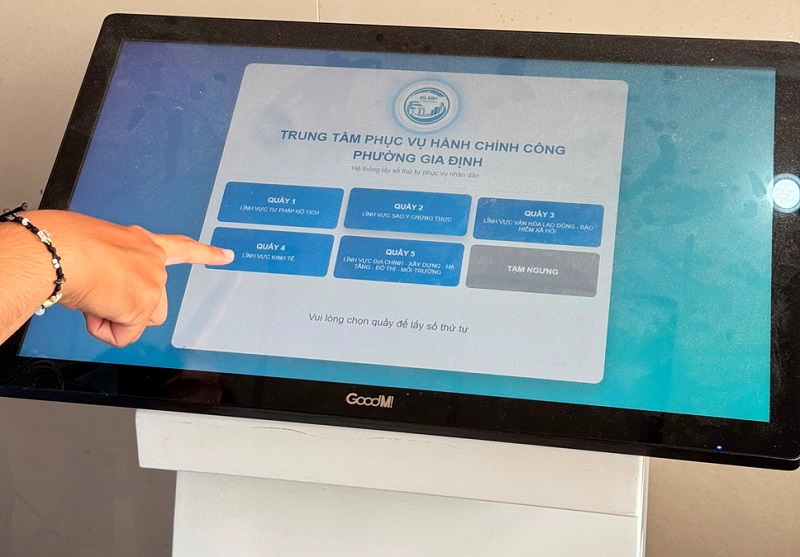
Students also observed firsthand the process of receiving and handling documents at various service counters, including judicial-civil status, notarization, land and construction, economic affairs, and culture-labor-social insurance. The process was organized systematically, from issuing queue numbers, receiving applications, and providing guidance on additional requirements (if any), to routing documents through the electronic system and returning results to citizens.
Digital transformation aligned with a service-oriented administration
One key highlight noted by students was the level of information technology application and digital transformation in the Center’s operations. The deployment of the electronic one-stop system, the Public Service Portal, and inter-connected procedures has helped shorten processing times, reduce duplicate paperwork, and limit the number of times citizens need to make repeat visits.
Beyond administrative efficiency, students also observed the human-centered nature of the service-oriented administration, as staff consistently and proactively assisted elderly citizens, those less familiar with technology, and other vulnerable groups in completing administrative procedures.
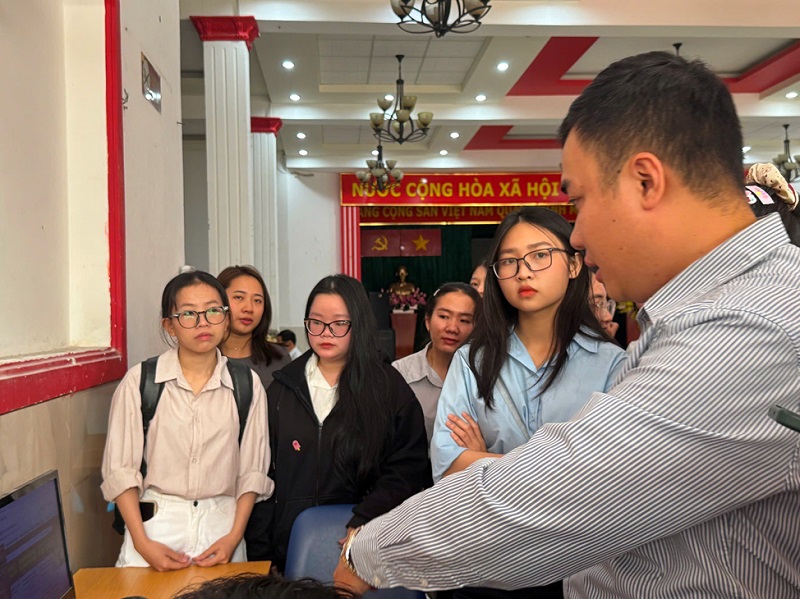
Connecting course theory with public management practice
Through the field trip, students had the opportunity to directly compare and relate what they had learned in the Public Services course – such as administrative reform, the “citizen-centered” philosophy, accountability, the role of grassroots civil servants, and the significance of the “one-stop-shop” model in improving public service quality. Many students noted that the hands-on experience made theoretical concepts more vivid and concrete, while also helping to build a clearer professional awareness of the public sector’s role amid ongoing administrative reform and the development of digital government.
At the end of the visit, MSc. Pham Thi Thu Hien, the class lecturer, extended sincere thanks to the Center’s representatives for their preparation, reception, and arrangements, which gave the group an invaluable learning experience. The visit to the Gia Dinh Ward Public Administration Center was not only an extracurricular learning activity but also an important bridge connecting theoretical teaching with the practice of state administration, contributing to improving the quality of training at the Faculty of Economics and Public Management. It also gave students a chance to hone their observation, analysis, and evaluation skills regarding public service delivery, from the perspective of future public management professionals.
Source: Lecturer MSc. Pham Thi Thu Hien
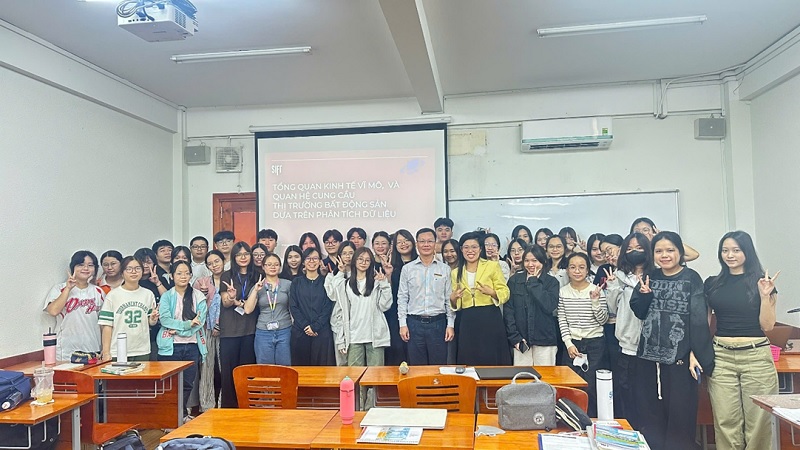
On the morning of Friday, December 26, 2025, at the 97 Vo Van Tan campus, a special topic report session for the Introductory Economics course was held for class BL2502C, themed “Macroeconomic Cycles and the Outlook for Vietnam’s Real Estate Market in the New Context.” The presentation was delivered by MSc. Phan Thu Thuy, Country Manager of SIFT Analytics Group.
At the start of the session, the speaker introduced an analytical framework on the relationship between macroeconomic cycles, the law of supply and demand, and the movement of Vietnam’s real estate market over more than 30 years, dividing it into five main phases: inception, formation, growth, fluctuation, and challenges. This analysis helped students better visualize how macroeconomic factors and policies have shaped the market over different periods.
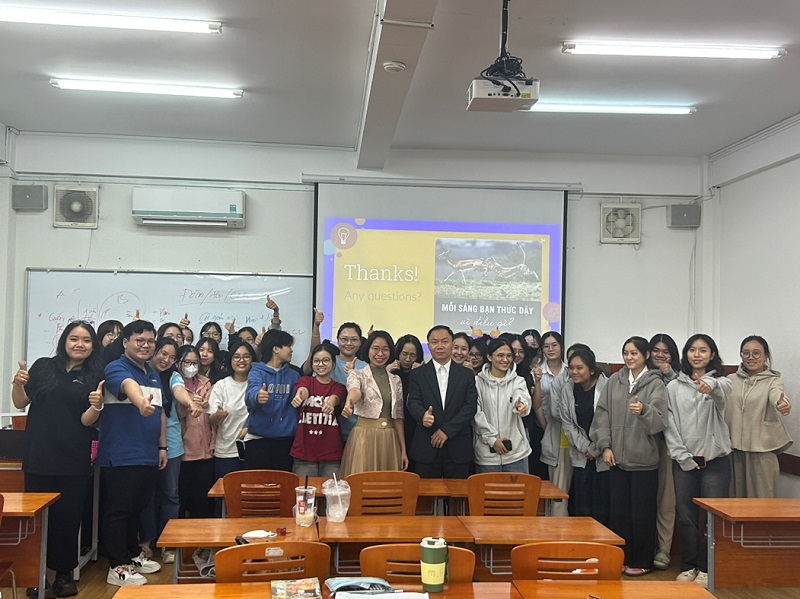
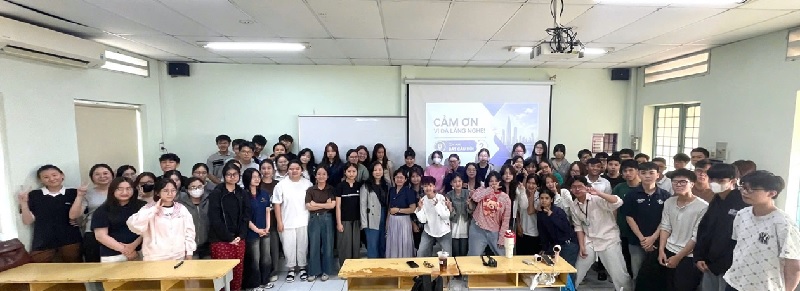
The speaker and lecturer take a photo with class BL2502C at the special topic report session
Through quantitative data and analysis, the report showed that GDP growth, monetary policy, interest rates, capital flows, and the legal framework are key factors driving market cycles, while emphasizing that 2025 marks the start of a new cycle moving toward greater transparency and sustainability. One student commented that the session helped them “better understand the relationship between real estate and the macroeconomy, as well as challenges such as supply-demand imbalances, legal obstacles, and an oversupply of high-end housing alongside a shortage of affordable housing.”
The report also touched on the shift “from quantity to quality,” in which the market is placing increasing emphasis on the quality of products, services, and the capacity of participating entities, alongside the growing importance of data in analysis and decision-making. For many students, especially first-year students, this was an experience that “helped spark interest in the field of real estate economics and created an environment for exchange, debate, and expanding one’s way of thinking.”
The session helped students in class BL2502C connect theoretical knowledge with practice, broaden their perspective on the movement of the economy and the market in the new context, and build motivation for further study and research in upcoming courses.
Source: MSc. Doan Bao Son – Faculty of Economics and Public Management
Source: Ms. Doan Thi Thuy (M.A.) – Lecturer at the Faculty of Economics and Public Management
In an effort to innovate teaching methods and bridge the gap between theory and practice, the Faculty and the Department of Economics recently organized a special seminar series featuring guest speaker Mr. Nguyen Van Minh (M.Sc.), Director of Hilife Co., Ltd.
The program was integrated directly into course modules to help students access real-world perspectives right in the classroom. Specifically, the session was held on July 21, 2025 (Semester 3) for students of the Introduction to Economics course, and continued on November 12, 2025 (Semester 1) for students of the Microeconomics course.
Under the theme “Solutions for Overcoming Crisis and Optimizing Business Profit – A Practical Perspective,” the speaker delivered in-depth insights into how businesses weather storms and offered valuable career guidance.
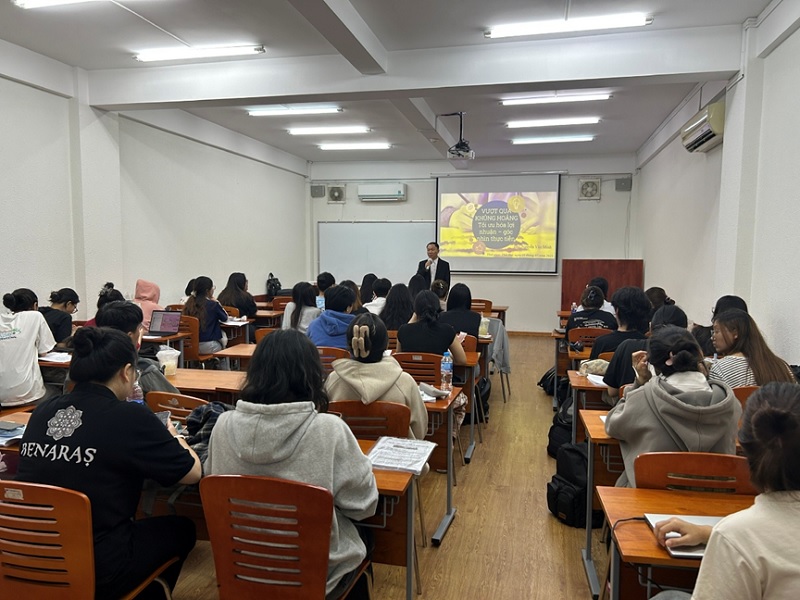
Weathering the Storm: Management Capacity is Key
Opening the session, the speaker analyzed the global and Vietnamese economic landscape, offering forecasts on inflation and crisis cycles. According to figures shared, as much as 32.9% of success in crisis response comes from a business’s management capacity. The speaker drew on practical lessons about flexibility:
Rapid adaptation: Students were introduced to the mindset of agility, quick adaptation, and seizing opportunities during a crisis. A notable example was May 10 Garment Company and other textile firms that pivoted from high-end suits to protective gear and antibacterial masks during the peak of the Covid-19 pandemic to maintain production.
Optimization strategies: Businesses must identify the right moment to cut costs. The first phase of crisis recovery is always cost optimization and savings, before exploring new growth directions.
Lessons from the giants: The story of how American Express cut personnel and marketing costs while preserving its customer service budget – enabling a remarkable comeback after 2008 – served as a compelling illustration of strategic management.
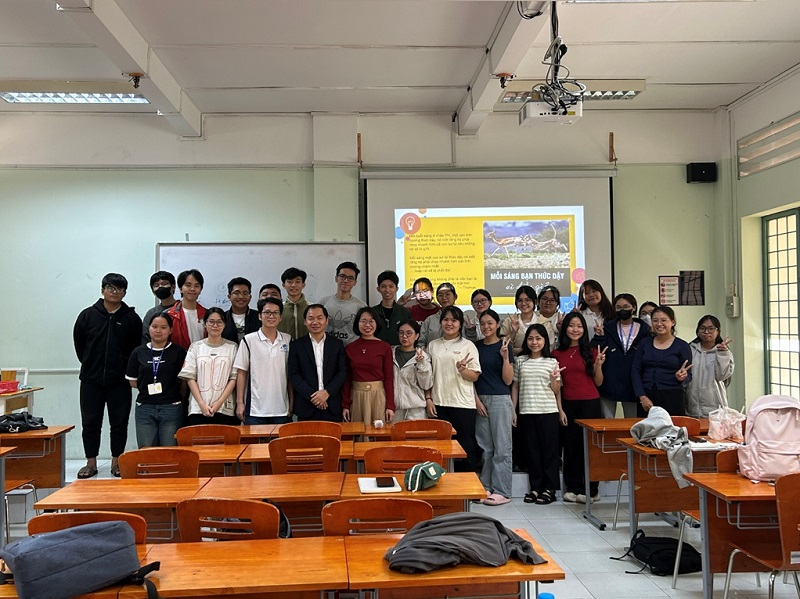
The program also introduced and illustrated the use of strategic analysis tools such as PEST, SWOT, and BCG, helping students better understand how businesses assess their operating environment, identify opportunities and challenges, and make management decisions during difficult periods.
Specialization or Diversification: Which Path to Choose?
One of the most spirited discussions centered on the question of human resources: do modern businesses need versatile generalists or deep specialists?
The business perspective: In a crisis, the ability to adapt quickly (49.5%) is a defining characteristic of organizations that successfully navigate hardship. This places a premium on employees who can take on multiple roles when needed.
Advice for students: The speaker posed an open question for students to reflect on their own career path: Should one aim to become a deep expert in a single field, or a versatile professional capable of adapting to any market shift? Through open discussion, students were encouraged to assess their own strengths, industry trends, and long-term development strategies – helping them form a fitting professional mindset while still in school.
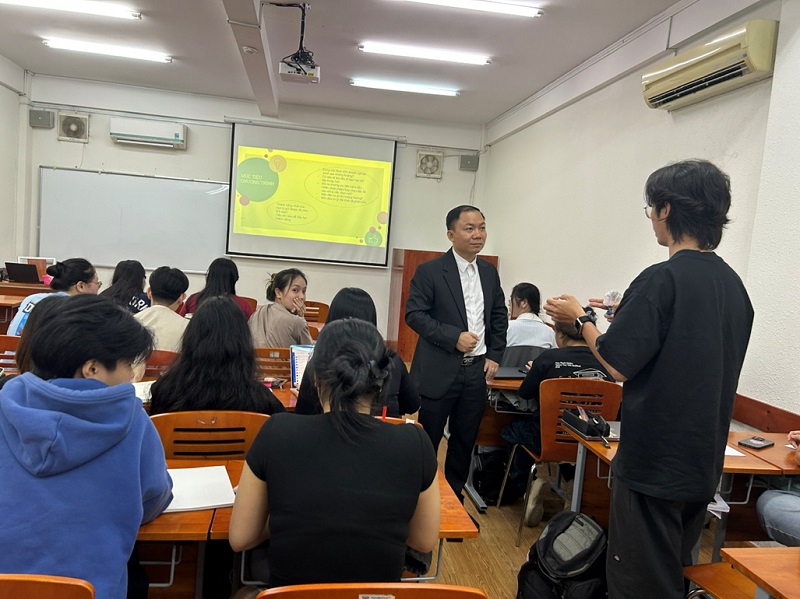
Studying, Working, and Youth Union Activities: How to Find Balance?
Beyond specialized knowledge, Mr. Nguyen Van Minh also took time to address concerns that are close to students’ everyday lives:
Should students work while studying? The speaker encouraged students to weigh the trade-off between focusing on academics and gaining early work experience to understand the business world.
Youth Union and Association activities: These were highlighted as environments for developing soft skills and building both character and vision – qualities that employers place great value on during recruitment (alongside the perennial question of whether to retain talented employees or those with strong values).
Investing in the future: Students were encouraged to define their own criteria for success and consider whether, upon graduation, they should prioritize earning money immediately or investing in work they are passionate about.
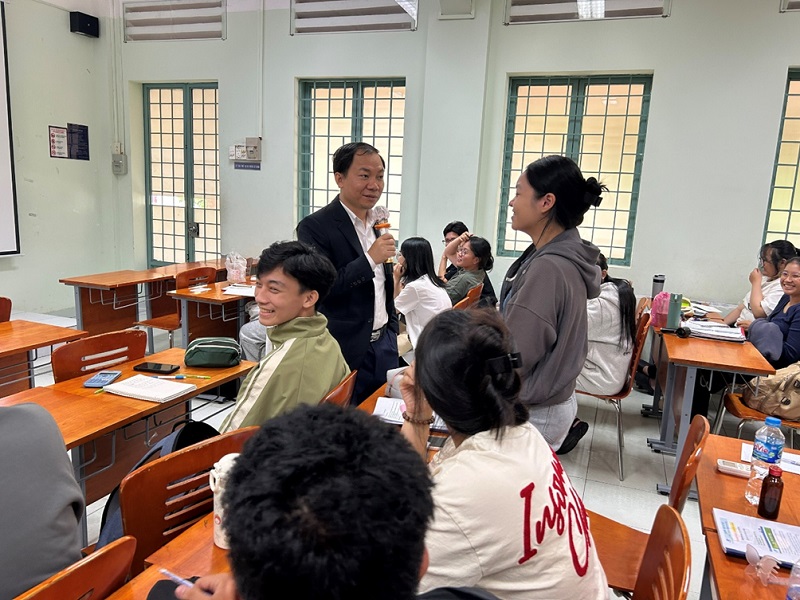
Drawing from real-world experience, the speaker emphasized that part-time work and Youth Union involvement, when properly balanced, help students develop soft skills, organizational thinking, teamwork, and a broader social network – qualities that employers increasingly value alongside academic knowledge.
An Inspiring Message and Its Educational Significance
Closing the seminar, the speaker left a lasting impression with a powerful message: “What matters is not whether you are a lion or a gazelle – when the sun rises, you should start running.” The session not only provided knowledge, analytical tools, and real-world experience, but also inspired students with a spirit of proactivity and readiness to face any economic storm that lies ahead.
Through inviting business speakers, the Faculty and the Department of Economics have created an open learning environment where students do not merely listen to lectures, but engage in dialogue, critical thinking, and the connection of theory with practice. This approach aligns well with modern educational trends, contributing to improved training quality and equipping students with a solid foundation before entering a highly competitive labor market.
Going forward, the Faculty and the Department of Economics will continue to strengthen engagement with the business community – inviting experts and managers to participate in teaching and sharing – thereby contributing to the development of graduates with strong professional competence, practical thinking, and high adaptability in an ever-changing economic landscape.
Source: Mr. Nguyen Minh Nhut (M.Sc.) – Lecturer, Faculty of Economics and Public Management
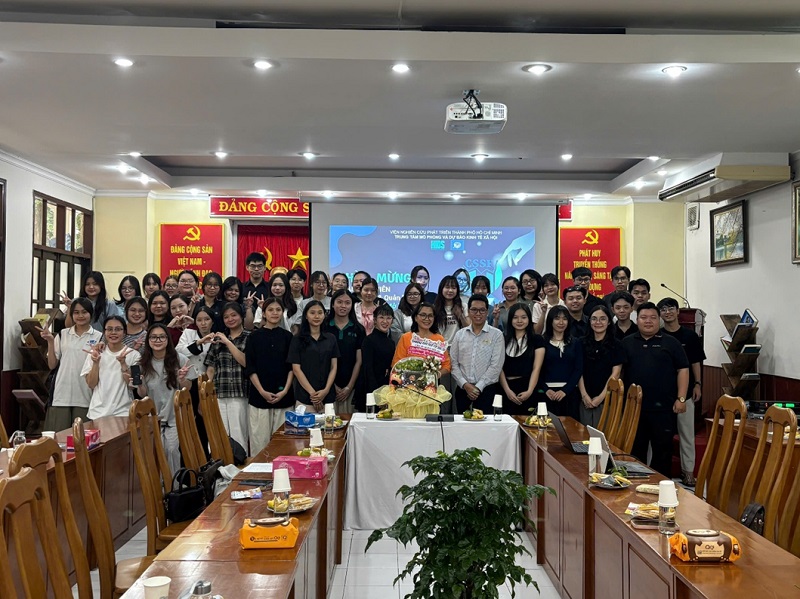
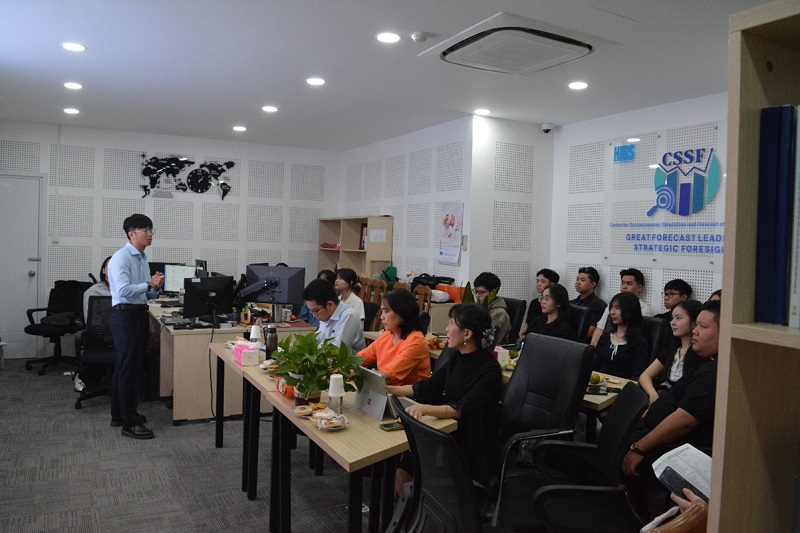
On December 26, 2025, as part of the E-Government course, more than 50 students from class DH23PM01 – Faculty of Economics and Public Management, Ho Chi Minh City Open University – took part in a meaningful visit to the Center for Socio-Economic Simulation and Forecasting (CSSF), under the Ho Chi Minh City Institute for Development Studies (HIDS). This was not merely a sightseeing trip, but an opportunity for public management students to explore the applications of data and modern technology in state governance within the context of digital transformation and the implementation of the two-tier local government model.
Digital Transformation Milestones from a Smart City
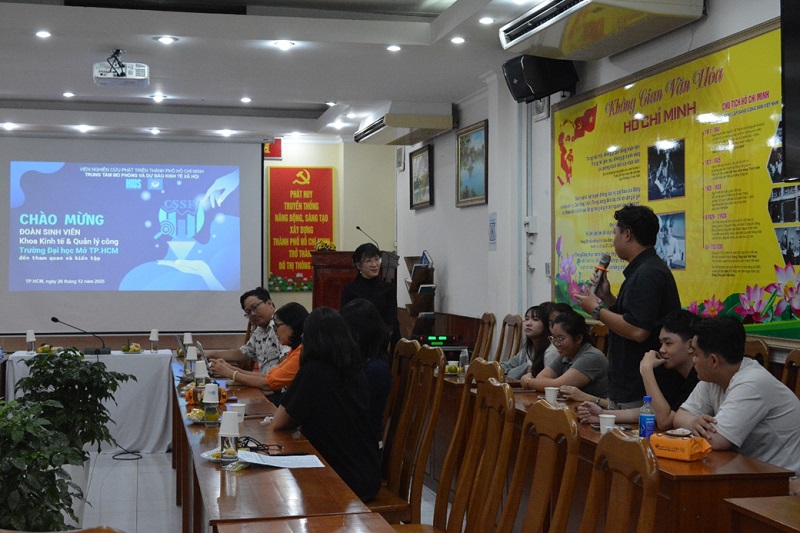
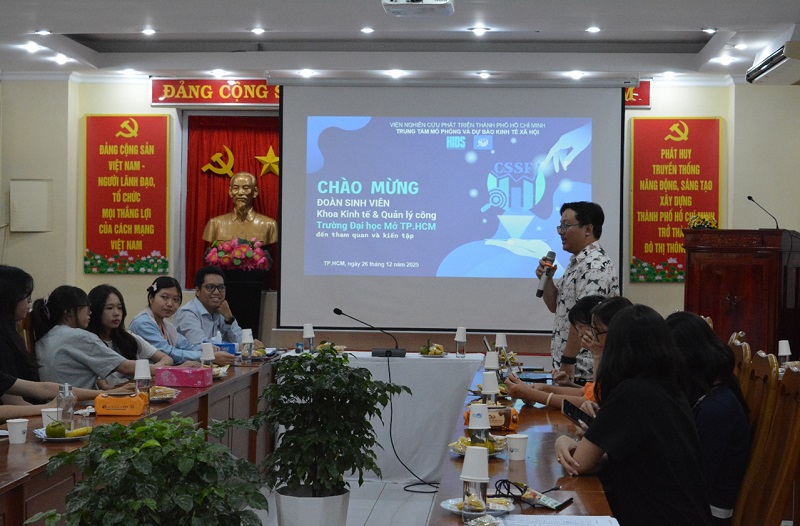
During the program, students attended a thematic presentation on “Ho Chi Minh City’s Digital Transformation Strategy to 2030” delivered by Ms. Nguyen Truc Van (M.A.), Director of CSSF. With an engaging, passionate, and highly practical presentation style, the Center’s representative shared notable achievements in Ho Chi Minh City’s digital transformation in 2025 – including maintaining a top-ranking position nationwide on the DTI index in 2025, the digital economy growing to account for 22% of the city’s GRDP, and Ho Chi Minh City being recognized as a Top 5 innovation ecosystem in Southeast Asia. The CSSF Director’s insights into the roadmap for building a creative, service-oriented, and high-performance government gave students a vivid and in-depth understanding of e-government applications at both the local and national level.
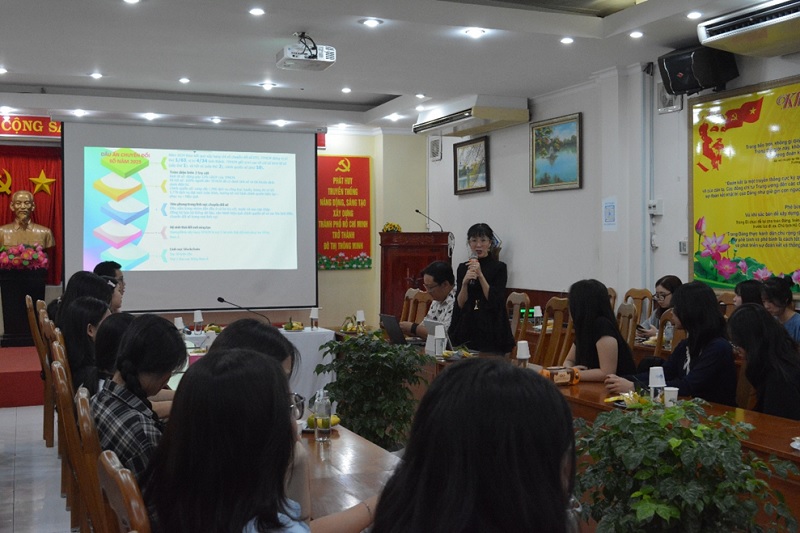
Ms. Nguyen Truc Van – CSSF Director – presenting the topic “Digital Transformation of Ho Chi Minh City.” Photo: Faculty of Economics and Public Management
Mr. Vo Huynh Hung Thinh – presenting the simulation “Visualization of Ho Chi Minh City’s Socio-Economic Data Platform.” Photo: Faculty of Economics and Public Management
Another highlight of the visit was the experience at the SocioEcon Lab, where data no longer sits on paper but comes to life through simulation models. Here, the class observed a simulation of the visualization platform for Ho Chi Minh City’s socio-economic data following the city’s administrative merger, and was introduced to the Social Beat tool for capturing public opinion to support policy evaluation and state management. As the city operates under the two-tier local government model post-merger, the role of data connectivity and sharing has become increasingly urgent. CSSF specialists demonstrated that data and technology are the “lifeblood” that allows a streamlined administrative apparatus to continue functioning smoothly – reducing overlap and accelerating the processing of administrative procedures. The fact that 100% of residents now have a digital identity, and that nearly 2,000 online public services are available, reflects a data-driven governance mindset that enables city leaders to make accurate and timely decisions for a metropolis of over 14 million people.
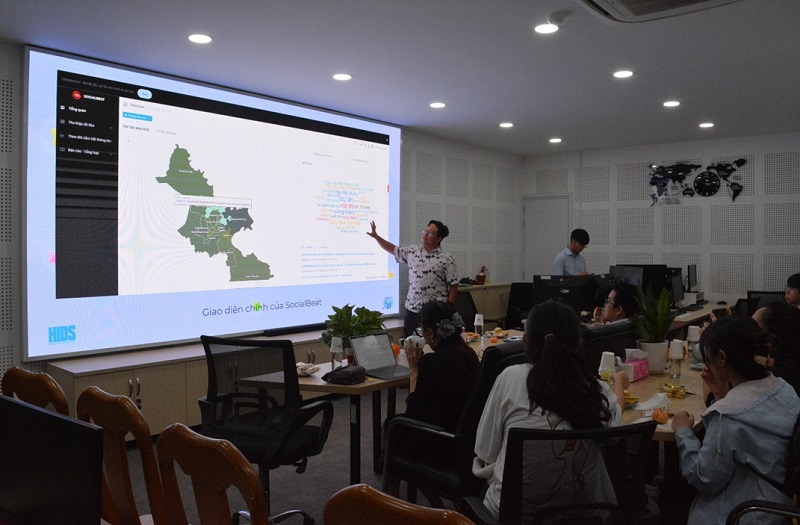
Mr. Le Quang Trieu presenting the Social Beat tool on the topic of Metro in Ho Chi Minh City. Photo: Faculty of Economics and Public Management
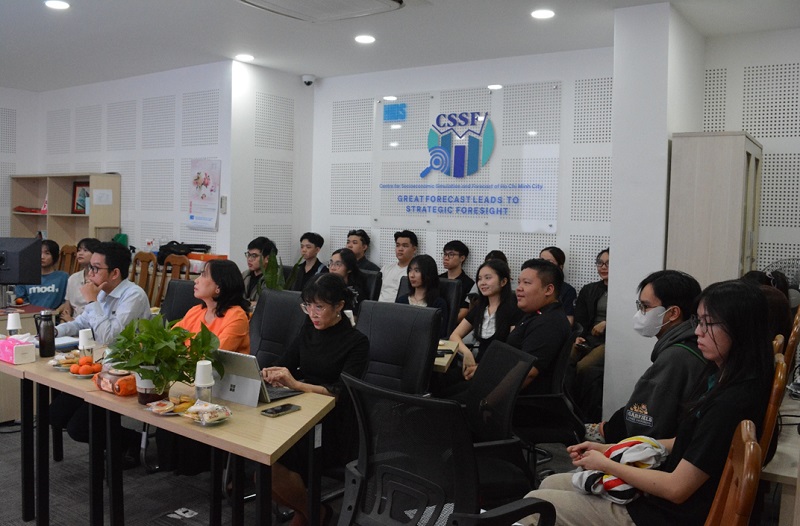
In an open and engaging atmosphere, students of class DH23PM01 discussed timely issues such as the city’s preparatory steps toward achieving its dual transformation goals by 2030, the operational mechanism and key applications of the Social Beat tool, and the challenges of applying technology in grassroots-level government following administrative streamlining. The discussions with CSSF experts gave students additional practical perspectives on digital transformation policy and implementation in the city, allowing them to connect what they observed with theories introduced in the course.
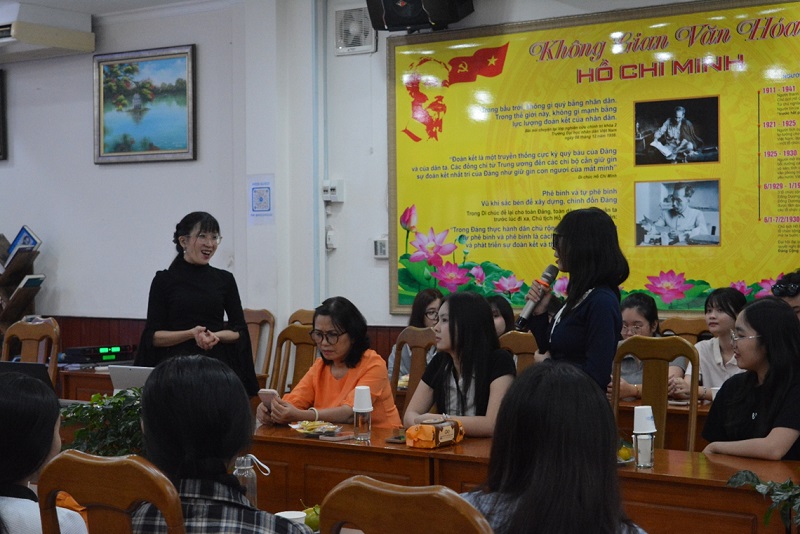
Students of class DH23PM01 engaging in discussion during the visit. Photo: Faculty of Economics and Public Management
Valuable Lessons Beyond the Classroom
The visit not only provided specialized knowledge but also offered students of class DH23PM01 valuable professional experiences. Beyond attending the expert presentations, students were greatly inspired by the enthusiastic guidance and open exchanges with CSSF researchers. The dynamic and professional working environment of a public service institution also helped students form a clearer picture of the public sector during this phase of their specialized coursework. As one student reflected: “Stepping into CSSF, we were struck by a public working environment that was deeply immersed in the spirit of the digital era – professional, modern, and full of creativity.” Beyond the framework of a typical class session, students confidently raised questions about the impact of artificial intelligence (AI) on labor productivity and employment. Ms. Nguyen Truc Van also shared her perspective on the digital competencies students need to develop before entering the labor market. The experiences shared by the CSSF team regarding the city’s digital transformation projects, their work in scientific research, and policy advisory gave students a clearer view of the career opportunities available in this field.
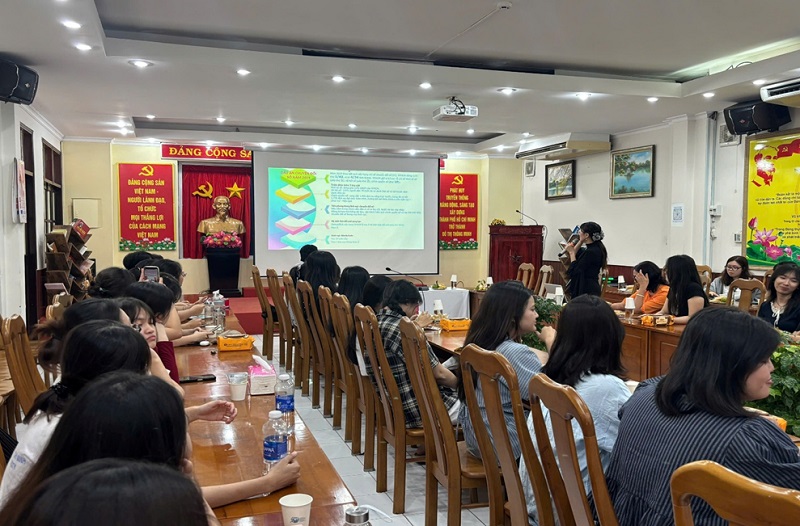
Students of class DH23PM01 observing simulations in the SocioEcon Lab. Photo: Faculty of Economics and Public Management
The enthusiastic expressions and lively questions from students demonstrated the immense value of “learning by doing,” helping them form a clearer vision of the mission of Public Management in the new era. This stands as a vivid embodiment of Ho Chi Minh City Open University’s educational philosophy: “Humanistic – Open – Practical – Integrated.”
The Center for Socio-Economic Simulation and Forecasting (CSSF) was established by the Ho Chi Minh City People’s Committee in 2019 as part of the implementation of four centers under the project to develop Ho Chi Minh City into a smart city for the period 2017-2020, with a vision extending to 2025. Student visits and field studies represent one of the key areas of cooperation between Ho Chi Minh City Open University and CSSF, aimed at leveraging the strengths of both institutions in scientific research and the training of high-quality human resources for society.
Selected photos from the visit and field study:
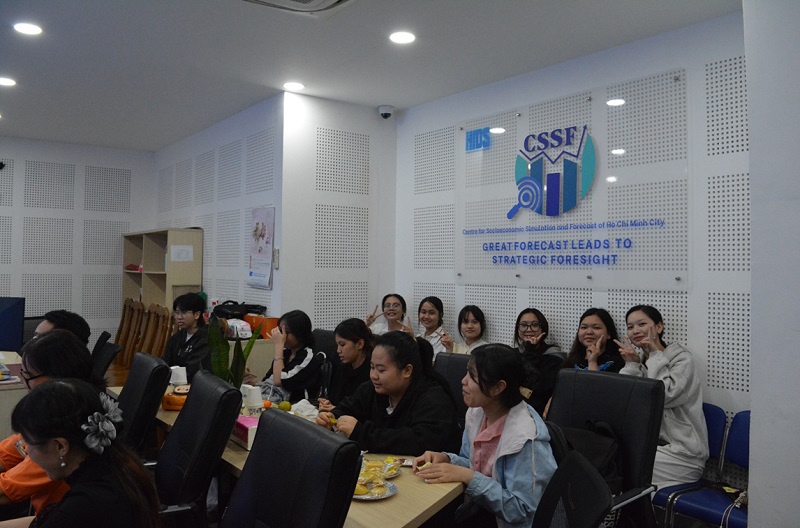
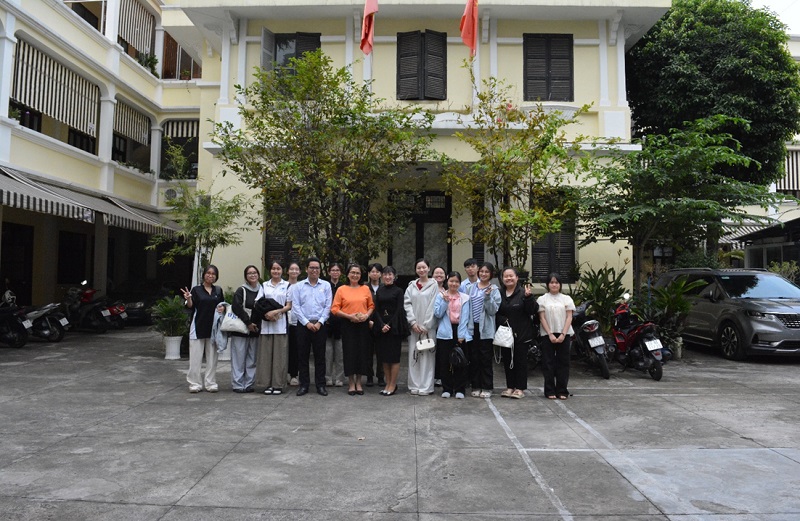
Source: Vietnamese Youth Union – Students’ Association of the Faculty of Economics and Public Management
Each year as Tết draws near and the lively rhythm of the final days of the lunar year fills the streets, the Spring Volunteer Campaign of the Faculty of Economics and Public Management officially kicks off once again – a cherished annual tradition full of meaning and community spirit.
The campaign ran from December 16, 2025 to January 25, 2026, with the participation of 51 volunteers. Fueled by enthusiasm and a spirit of dedication, these 51 young hearts spent one month serving in the Ho Chi Minh City, carrying out a wide range of community-oriented programs. The team also spent 7 days stationed at Phu Thanh Commune, Dong Thap Province, where volunteer activities were organized in close connection with local residents. It was during this time of “eating together, living together, and working together” that the volunteers came to deeply appreciate the values of sharing and solidarity.
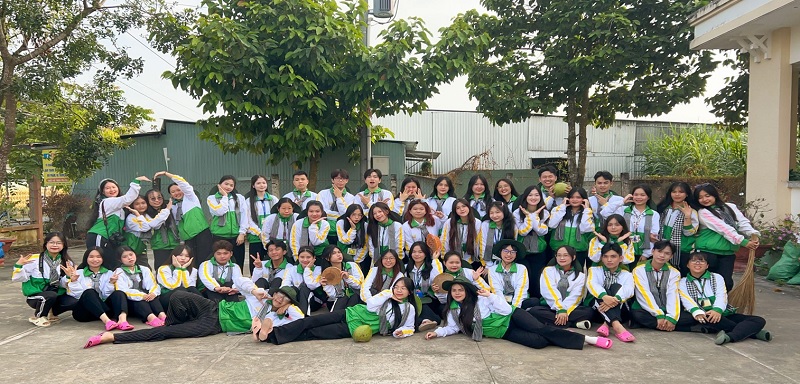
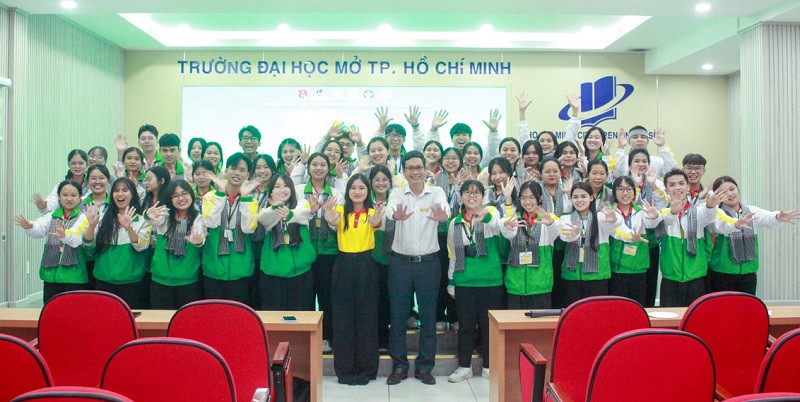
The volunteer team of “YEN”
Throughout the campaign, the volunteers worked together on many meaningful activities, including fundraising to support campaign operations, painting murals on the theme of protecting Vietnam’s sea and islands, launching awareness drives on the Digital Citizen application, assisting local residents with citizen ID card registration, cleaning and maintaining local roads, organizing a children’s festival, and distributing Tết gifts to local families.
Selected photos from the campaign:
Opening ceremony of the “YEN” Spring Volunteer Campaign on February 15, 2026.
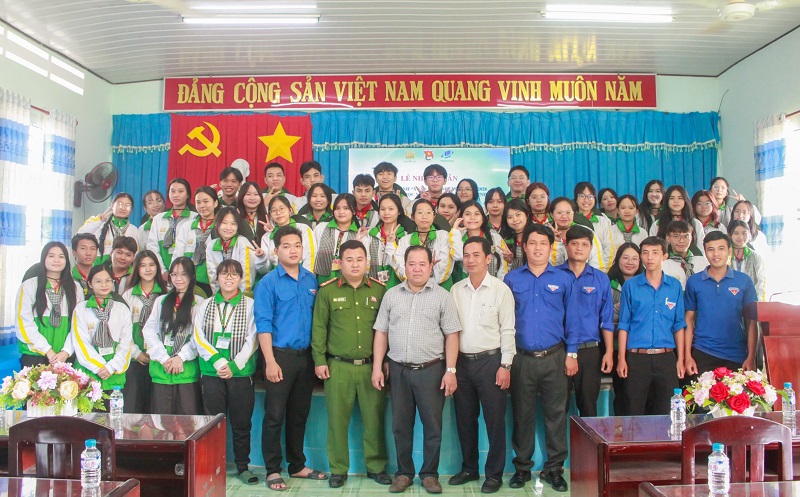
Induction ceremony of the “YEN” Spring Volunteer Campaign at Phu Thanh Commune, Dong Thap Province on January 19, 2026.
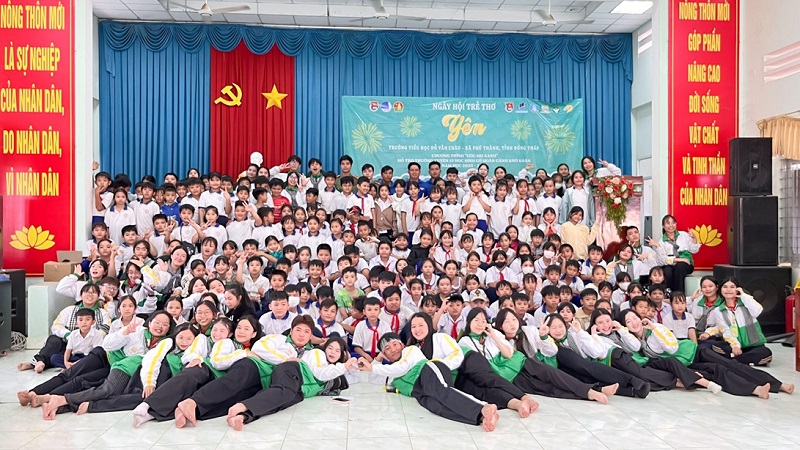
Children’s Festival organized by the YEN volunteers together with students of Do Van Chau Primary School.
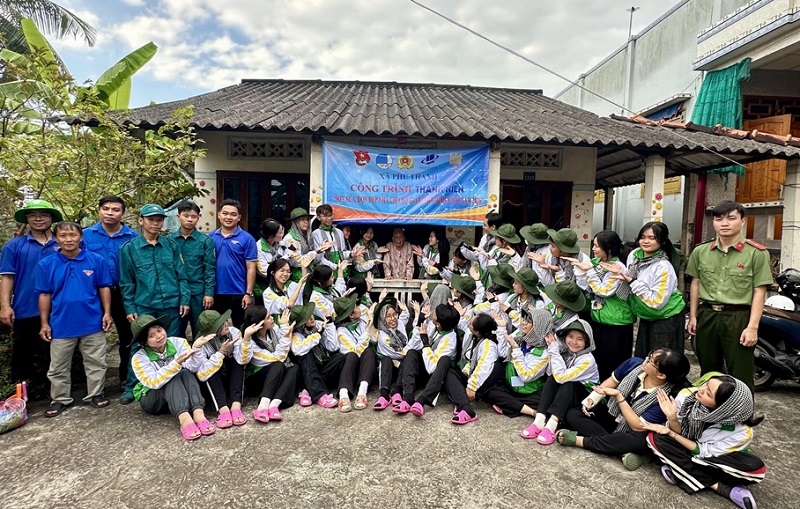
Painting, repairing, and decorating a local grandmother’s home for Tết at the team’s stationed location.
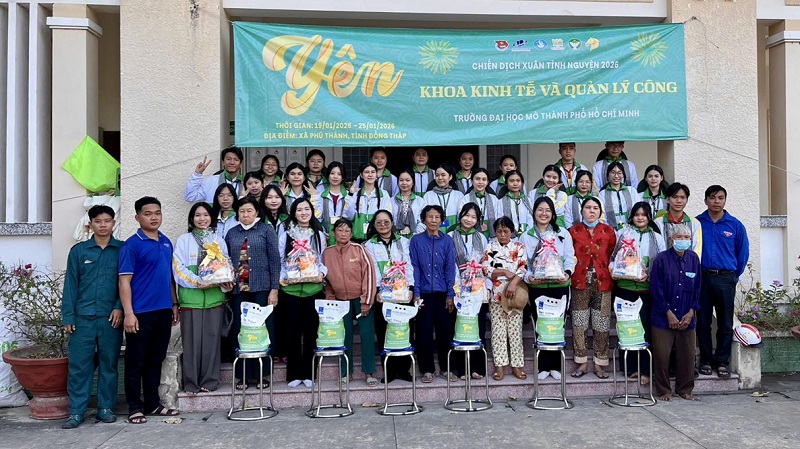
The team presenting Tết gifts to policy-beneficiary households and host families in the local area.
Source: Mr. Doan Bao Son (M.A.) – Faculty of Economics and Public Management
The student scientific research activities of the Faculty of Economics and Public Management in 2025 continued to make their mark with outstanding achievements, as several student groups earned awards at the Ministry of Education and Training-level research competition. Under the guidance of Mr. Doan Bao Son (M.A.), lecturer at the Faculty of Economics and Public Management, the student groups demonstrated a serious commitment to research, creative thinking, and the ability to apply academic knowledge to real-world contexts.
Most notably, the research project titled “Socially Responsible Human Resource Management, Public Service Motivation, Knowledge Sharing, and Employee Performance in the Public Sector in Ho Chi Minh City” – led by student Le Huynh Kim Tuyen, with team member Pham Thi Cam Tien (Public Administration major) – was honored with the Third Prize. The project was highly commended by the judging panel for its originality, rigorous research methodology, and practical applicability in the field of public management.
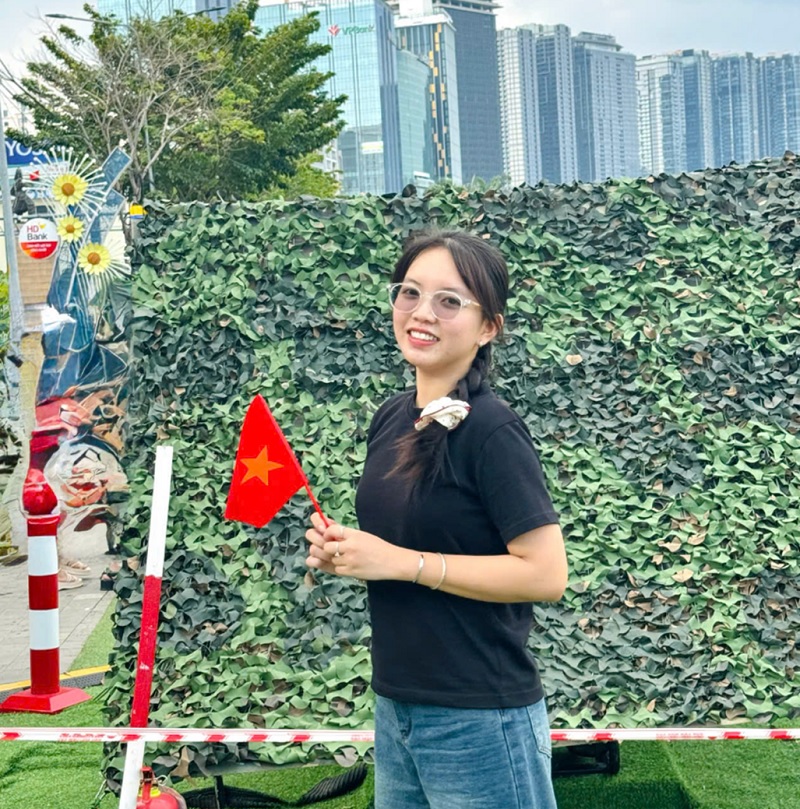
Student Le Huynh Kim Tuyen – Project Leader of the Third Prize-winning research at the 2025 Ministry of Education and Training level
In addition, the research project “Green Trust and Green Purchase Intention: A Study of Students in Ho Chi Minh City” – led by student Vo Mai Diem Mi, with team members Huynh Thi Tra My, Nguyen Thi Kieu My, Pham Thi Bao Ngoc, and Tran Thi Hong Ngoc (Economics major) – received the Consolation Prize. The study focused on green consumption trends among young people, contributing a scientific basis for promoting sustainable consumer behavior.
The student group whose project received the 2025 Ministry of Education and Training-level Consolation Prize
Notably, all participating projects had their findings published in scientific journals listed by the State Professor Council, affirming both the academic quality and research capacity of the Faculty’s students. These achievements are not only a source of pride for the student groups involved, but also serve to reinforce the Faculty of Economics and Public Management’s commitment to quality education and practice-oriented research. They stand as a strong motivation for students to continue fostering a spirit of academic excellence, creativity, and engagement in the time ahead.
Source: Ms. Doan Thi Thuy (M.A.), Lecturer at the Faculty of Economics and Public Management
As higher education increasingly emphasizes application-oriented learning, integrating real-world business issues into classroom teaching has become an effective approach to enhancing educational quality and developing students’ professional competencies. In line with this objective, on April 15, 2026, the Faculty of Economics and Public Management, Ho Chi Minh City Open University, organized a guest speaker seminar entitled “Macroeconomic Impacts on Businesses: Strategies for Overcoming Crises and Optimizing Profitability” for students of classes DH24EC01, DH24EC02, and DH24EC03 enrolled in the Advanced Macroeconomics course.
The seminar featured Mr. Nguyen Van Minh, M.A., Director of Hilife Co., Ltd., who shared valuable insights from the perspective of a business executive on how macroeconomic variables influence business operations in the context of an increasingly dynamic global and domestic economy. Drawing upon his practical management experience, the speaker helped students better understand the connection between macroeconomic theories and managerial decision-making in real-world business environments.
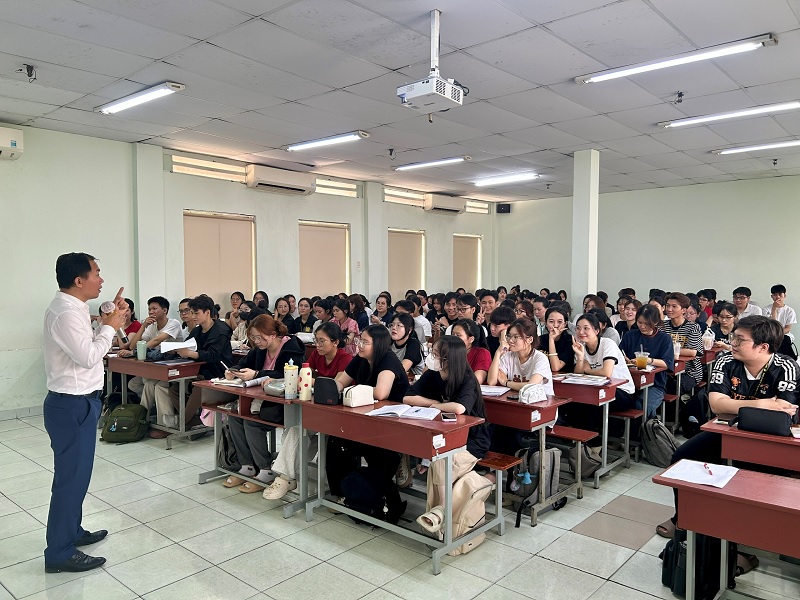
The seminar began with an overview of the current global and Vietnamese economic landscape, highlighting major shifts in the international economic environment. With the objective of providing students with practical perspectives on macroeconomic developments, the presentation focused on analyzing how macroeconomic factors affect business performance and evaluating Vietnam’s economic outlook from a managerial perspective. This approach enabled students to relate theoretical concepts learned in the classroom to contemporary economic issues and business practices.
One of the highlights of the seminar was the discussion of the transition from a globalization model driven primarily by cost optimization toward a new development paradigm emphasizing economic security, supply chain resilience, and cooperation among trusted partner countries. From a business perspective, the speaker explained how changes in global trade, investment, and financial policies present both opportunities and challenges for Vietnamese enterprises. These practical analyses helped students appreciate the importance of macroeconomic factors in shaping corporate strategies and long-term business development.
The seminar also explored key macroeconomic indicators, including GDP growth, inflation, interest rates, and public debt. The speaker illustrated the relationship between fiscal and monetary policies and business performance while comparing Vietnam’s macroeconomic indicators with those of the global economy. This comparative perspective provided students with a more comprehensive understanding of Vietnam’s growth prospects as well as the opportunities and challenges facing domestic businesses.
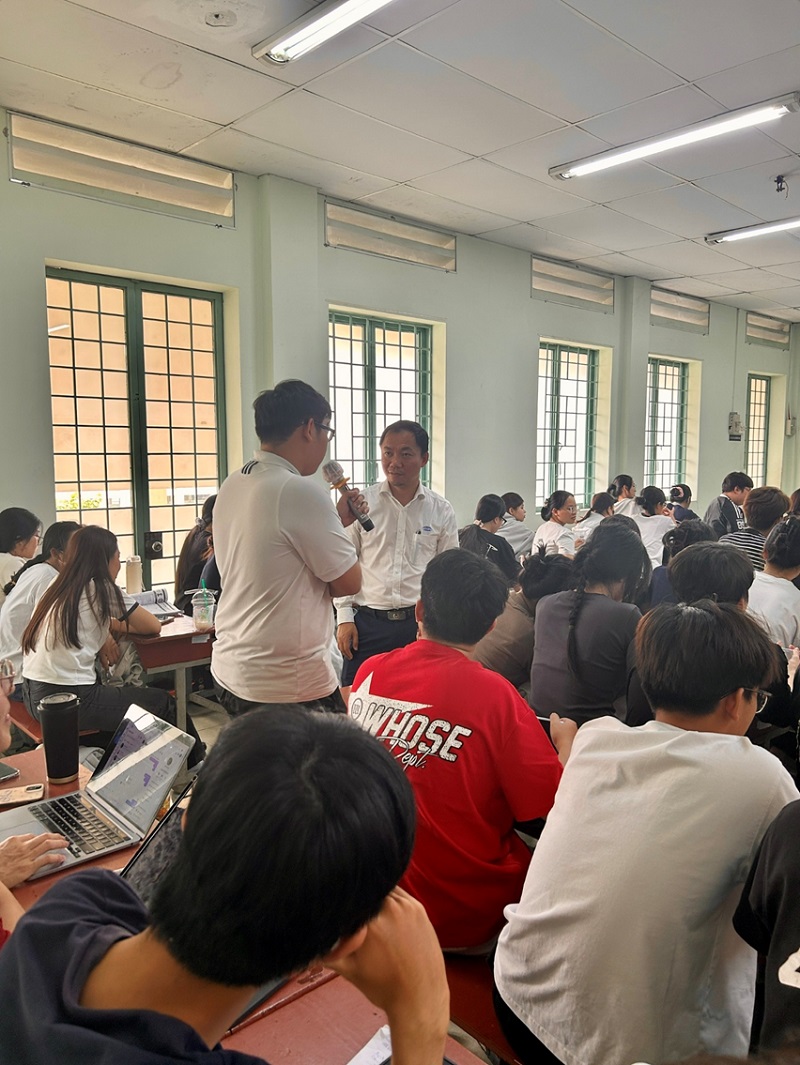
The discussion on the real estate market attracted considerable interest from students. Using the Evergrande crisis in China as a case study, the speaker examined the consequences of excessive dependence on the real estate sector and the overuse of financial leverage. Comparisons with Vietnam’s real estate market encouraged students to discuss financial risk management, cash flow control, and the role of macroeconomic policies in maintaining economic stability. These practical examples enabled students to apply macroeconomic theories to the analysis and resolution of contemporary economic issues.
The seminar concluded with an engaging question-and-answer session during which students actively discussed Vietnam’s economic outlook, business adaptation strategies amid global uncertainties, and the competencies required for future professionals. The speaker’s practical experiences and insights broadened students’ perspectives, strengthened their critical thinking skills, and enhanced their ability to apply macroeconomic knowledge to real-world situations.
Before concluding the seminar, Mr. Nguyen Van Minh shared an inspiring message from Thomas L. Friedman on the importance of adaptability in an ever-changing business environment. He emphasized that in a rapidly evolving world, success depends not on one’s current position but on the willingness to continuously learn, innovate, and take action.
The seminar represents one of the Faculty’s key initiatives in innovating teaching methods through stronger collaboration between academia and industry. Inviting experienced business leaders and practitioners to participate in the teaching process not only enables students to gain a deeper understanding of economic theories but also fosters analytical thinking, problem-solving skills, and adaptability in a dynamic business environment. In the coming years, the Faculty of Economics and Public Management will continue expanding its partnerships with businesses to create a modern, practice-oriented learning environment and contribute to the development of highly qualified human resources capable of meeting the demands of international integration.
Source: Ms. Nguyen Thi Phuc Doang (M.A.) – Faculty of Economics and Public Management
On the afternoon of Thursday, April 23, 2026, at the Mai Thi Luu campus, a Microeconomics seminar was held for classes EC01, EC02, and EC03 on the topic “Price Bubbles in the Real Estate Market: The Role of Supply and Demand”. The session was presented by Ms. Tran Huong Giang (M.A.), actracting active participation and discussion from a large number of students.
Opening the session, the speaker posed a thought-provoking question: “In the next 5–10 years, do you believe you will own a home? And how?” This question not only encouraged interaction but also helped students to reflect on their own prospects of accessing housing in today’s market. The question was revisited at the end of the session, after students had worked through analyses of supply-demand dynamics and real estate market trends.
During the session, the speaker presented several noteworthy figures on Ho Chi Minh City’s real estate market between 2015 and 2025. Land prices in central areas rose by approximately 384%, while average apartment prices increased by 233% – both figures far outpacing growth in income and the Consumer Price Index (CPI). This reality highlights the growing difficulty of acquiring property through ordinary income accumulation alone, particularly without the use of financial tools such as credit leverage.
A supply-demand analysis of the apartment market over the past decade revealed notable shifts. The 2015–2018 period saw a supply boom, with the number of apartments offered for sale consistently exceeding the number actually sold. In recent years, however, supply has trended sharply downward while demand has remained high, placing upward pressure on prices. Notably, 2017 marked the peak year for both supply and demand during this period.
Drawing on these analyses, the report clarified the concept of a “price bubble” in the real estate market – a phenomenon in which asset prices rise far beyond their intrinsic value, driven by speculative expectations, the FOMO effect, and investment speculation. The reality of land being hoarded and left unused, while those with genuine housing needs struggle to access the market, reflects a clear structural imbalance.
The report also pointed out that real estate bubbles are not merely a property market issue – they carry spillover effects across the broader economy. When a bubble bursts, asset prices may fall sharply, leading to investor losses, a rise in non-performing loans, and systemic risks within the financial sector. At the same time, many projects stall, social resources are wasted, and those with genuine housing needs continue to face difficulties.
In addition, the speaker analyzed fluctuations in real estate credit compared to production and business credit, helping students better understand the connection between the real estate market and broader macroeconomic issues such as inflation and economic growth.
Closing the session, the key message emphasized was that the real estate market can only develop sustainably when prices are driven by fundamental factors – such as income levels, infrastructure, and genuine housing demand – rather than speculation and inflated expectations.
The seminar concluded with a lively Q&A and discussion segment, helping students consolidate their theoretical knowledge and strengthen their ability to analyze real-world economic issues.
Additional photos from the session:
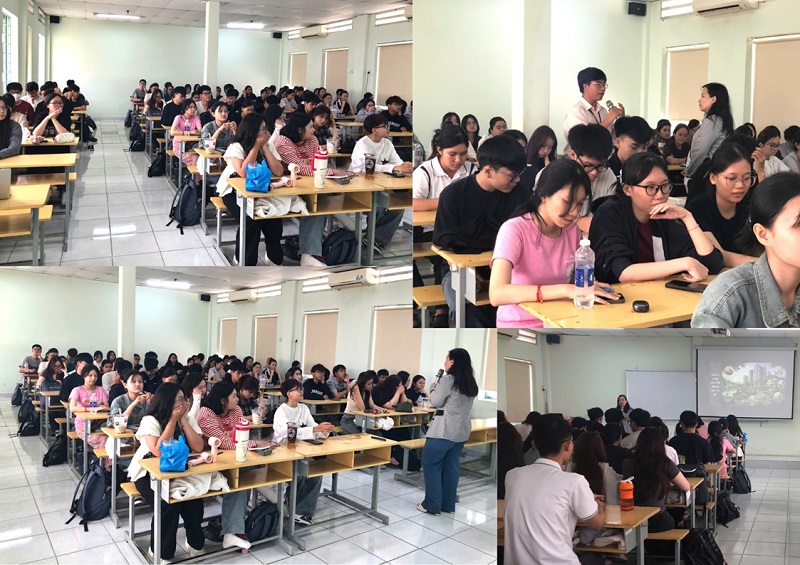
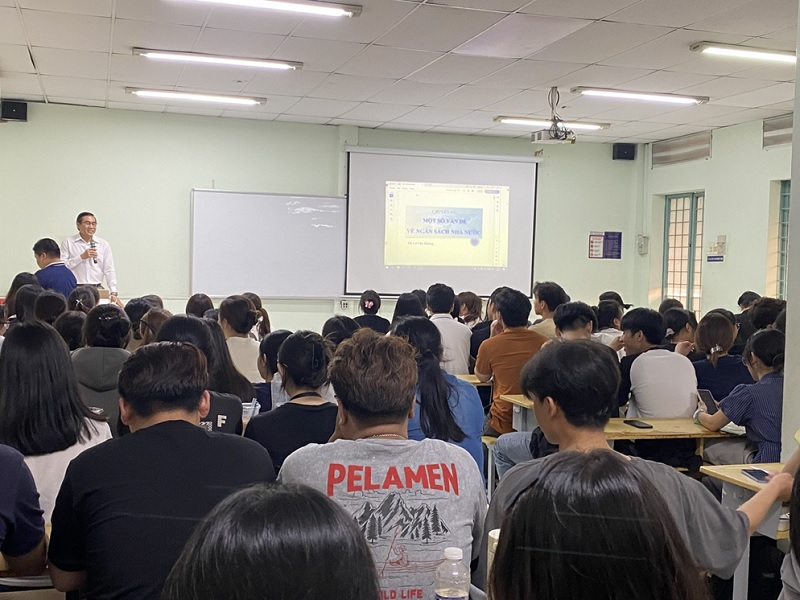
In mid-April 2026, at the Mai Thi Luu campus, students from four classes within the Faculty of Economics and Public Management took part in a meeting and exchange session with guest speaker Dr. Le Van Huong, former Chairman of the People’s Committee of (the former) Tien Giang Province.
The session gave students the opportunity to deepen their understanding of the Public Economics course. In addition, they were able to learn from real-world experience shared from the perspective of a senior local government official.
Beyond exchanging specialized academic knowledge, the session also focused on learning activities and essential skills relevant to third-year students. This can be seen as an opportunity for students to equip themselves with the necessary qualities before entering the labor market in the future. The exchange took place in a cheerful, friendly atmosphere and was captured through a number of memorable photographs.
Source: Ms. Pham Thi Ngoc Suong (M.A.), Lecturer at the Faculty of Economics and Public Management
In the continuous flow of the modern economy, knowledge is not only reflected in pure numbers, but also clearly expressed through practical values and the experiential courage of the younger generation.
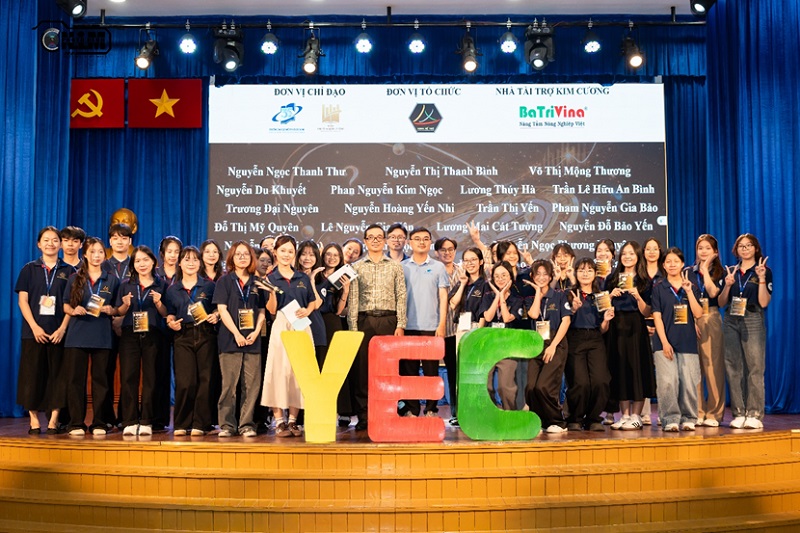
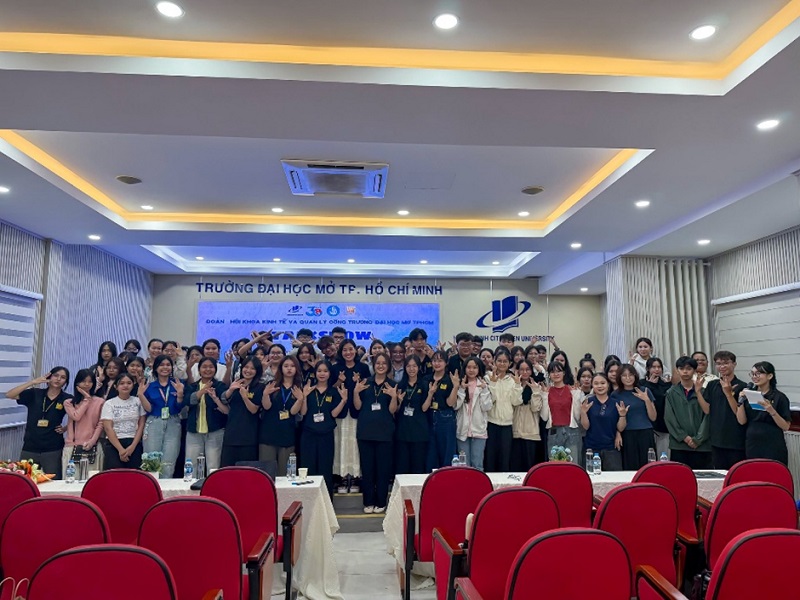
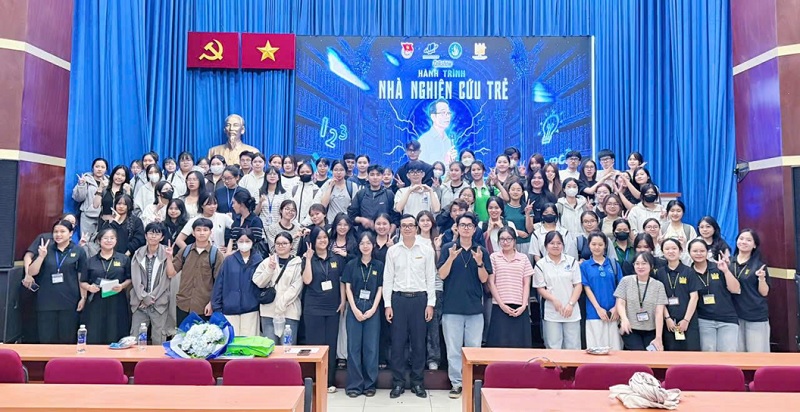
On the evening of April 23, 2026, the journey of exploring knowledge with the ‘Data Detective’ theme at the Talkshow ‘Scientific Research with Economics & Business Students: Opportunities and Experiences’ was successfully held with enthusiastic participation from a large number of students.
This was not just a purely academic sharing session, but also a journey for each young student to redefine themselves, equipping the first building blocks for the path of Scientific Research (SR) – where critical thinking and the desire to create solutions in the new era are strongly awakened.
Within the program space, fundamental contents of Scientific Research were delivered through practical perspectives along with real experiences of the speaker. Under an engaging guidance, seemingly dry knowledge gradually became more familiar and accessible, helping students step by step break down initial misconceptions about scientific research.
Throughout the interactive session, the atmosphere continued to rise when the speaker and students exchanged ideas, asked questions, and shared multidimensional perspectives on Scientific Research.
The interaction session did not stop at answering questions, but became an open connection space where ideas were sparked, issues were viewed more clearly, and academic spirit was strongly spread.
The Organizing Committee would like to sincerely thank:
Speaker Pham Nang Thang
Sincerely thank Sir for the valuable companionship and for bringing profound and practical insights, helping students better understand Scientific Research as well as future development orientation.
BATRIVINA – Diamond Sponsor of the program
For accompanying and making an important contribution to creating a meaningful and high-quality academic environment for the Talkshow.
At the same time, the Club would also like to thank all students for their interest and participation in the program, contributing to a meaningful and complete Talkshow.
Now, let’s take a look back at the memorable moments of the Talkshow “Scientific Research with Economics & Business Students: Opportunities and Experiences”!
—————————————————–
YOUNG ECONOMISTS CLUB
Contact information:
[ Email ] : clbkinhtetre@ou.edu.vn
[ Facebook ] : facebook.com/CLBKinhTeTreYEC
[ Blog ] : youngeconomicsclub.wordpress.com.
[ Linkedin ] : https://www.linkedin.com/…/young-economists-club-yec…/
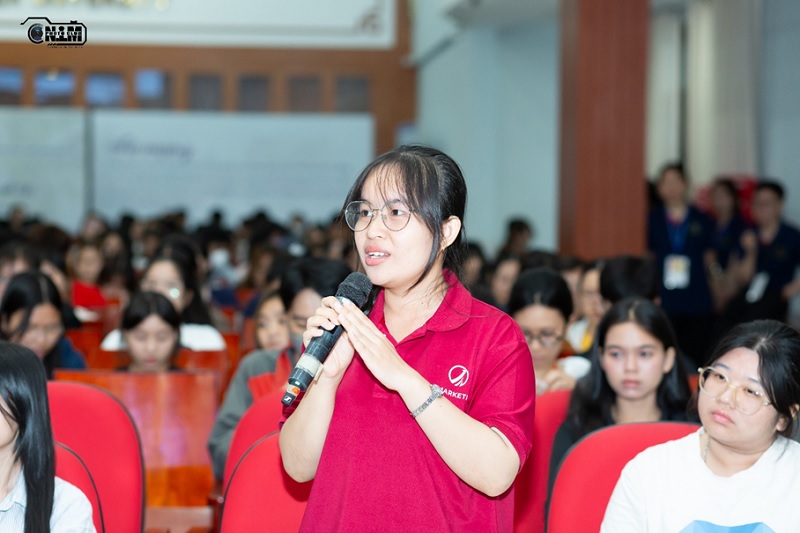
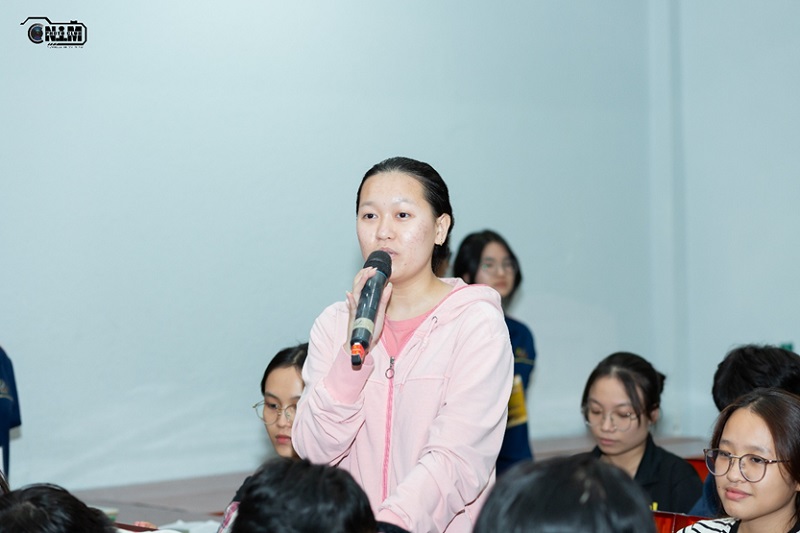
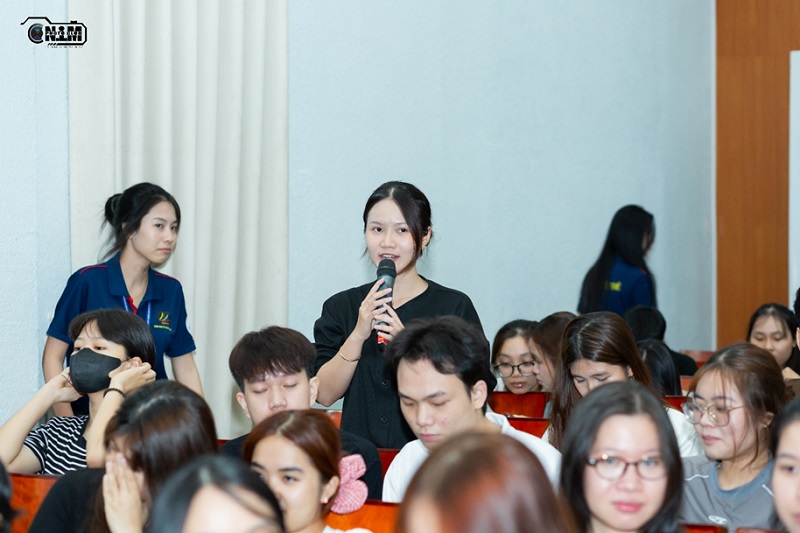
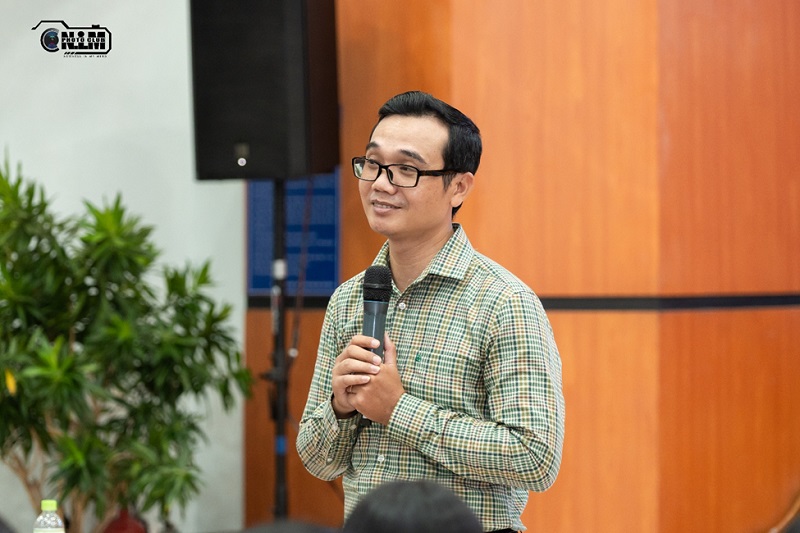
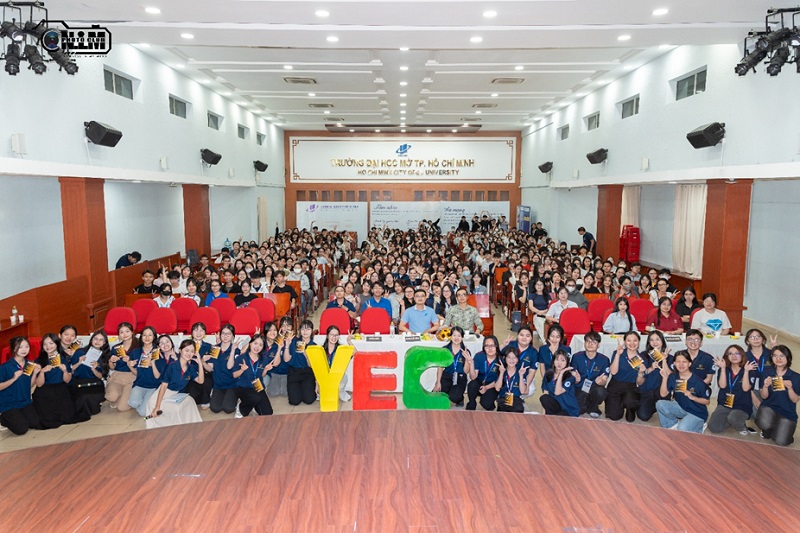
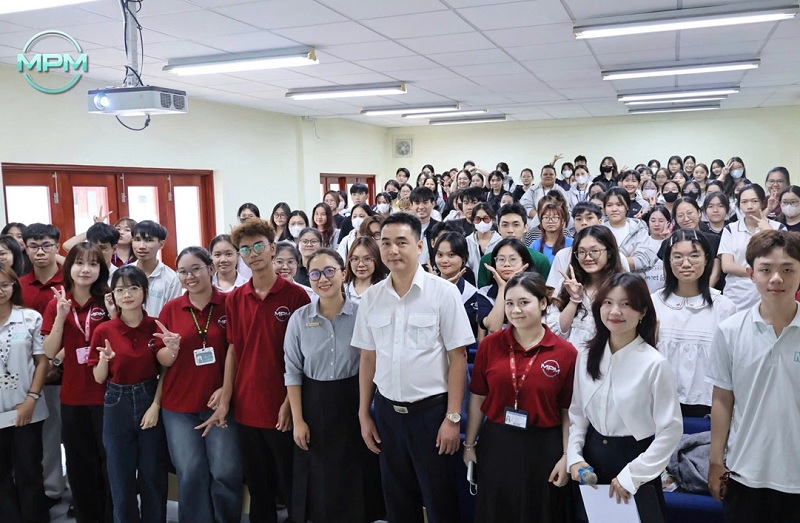
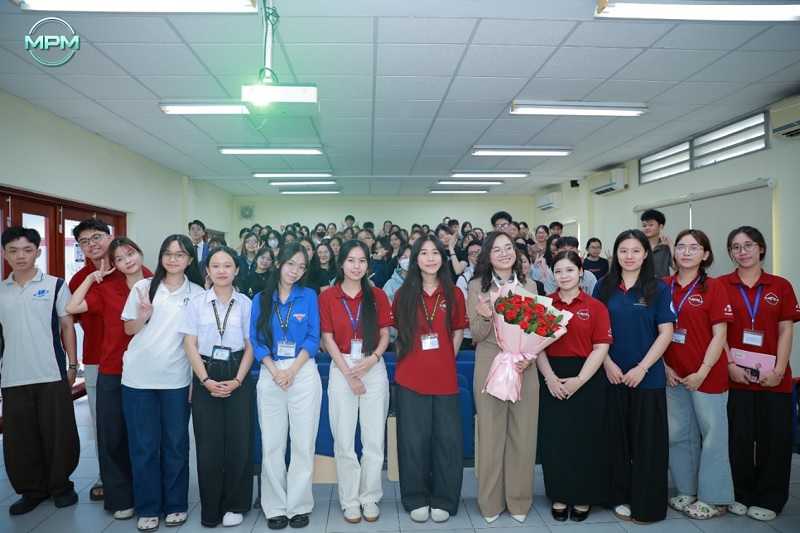
On April 19, 2026, at Room 412, 97 Vo Van Tan campus, Ho Chi Minh City Open University, the MPM Club (Modern Public Management Club), directly under the Faculty of Economics and Public Management, organized an academic workshop on the topic “Tax Policy.” The program took place in a serious but open and engaging atmosphere, receiving strong interest and participation from students with a keen interest in economics, public management, e-commerce, and broader policy issues within today’s digital economy.
The workshop was honored to welcome Mr. Pham Thanh Phong (M.A.), a specialist from the Ho Chi Minh City Tax Department, as the guest speaker. With his professional expertise and hands-on experience in the field of taxation, the speaker offered attendees clear, in-depth perspectives closely connected to real-world issues. The program not only provided foundational knowledge, but also helped students gain a deeper understanding of the role tax policy plays in state governance, in the operation of the economy, and in modern social life.
At the start of the workshop, the speaker provided an overview of Vietnam’s tax system, while also analyzing the role of taxation in regulating the economy, generating revenue for the state budget, and ensuring social equity. The program then moved on to address pressing contemporary issues such as digital platform-based business activities, e-commerce, livestream sales, and the tax obligations of individuals and household businesses operating in the online environment.
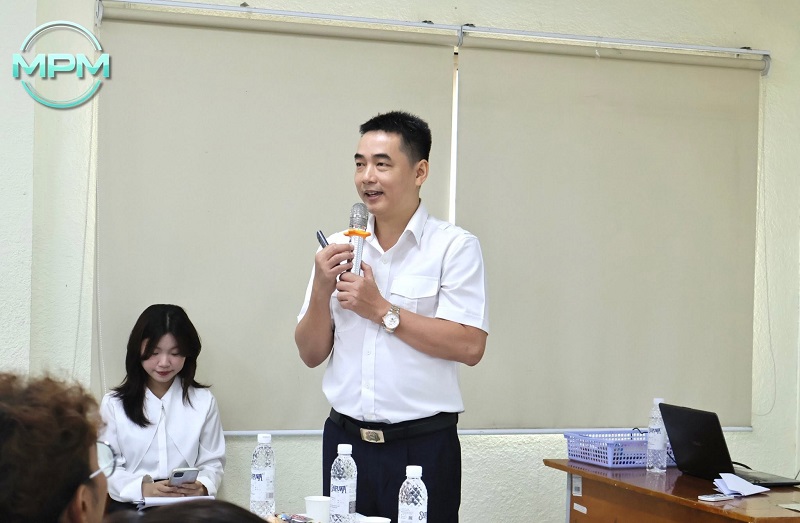
Through real-life examples and concrete scenarios, the workshop helped attendees gain a clearer understanding of the legal regulations governing online business operations, the responsibility to declare income and fulfill tax obligations, as well as common violations and the corresponding penalties under current law. These insights carried not only academic value but also strong practical relevance, particularly for students navigating a rapidly growing digital economy that is increasingly shaping social and economic life.
One of the program’s standout strengths was its ability to connect theoretical knowledge with real-world practice. Rather than approaching tax policy through the dry lens of legal text, the workshop helped students engage with the topic in a more relatable and grounded way, drawing on situations that commonly arise in today’s business landscape. As a result, attendees understand not only “what tax is,” but also why compliance with tax obligations plays such a vital role in ensuring transparent and sustainable economic development.
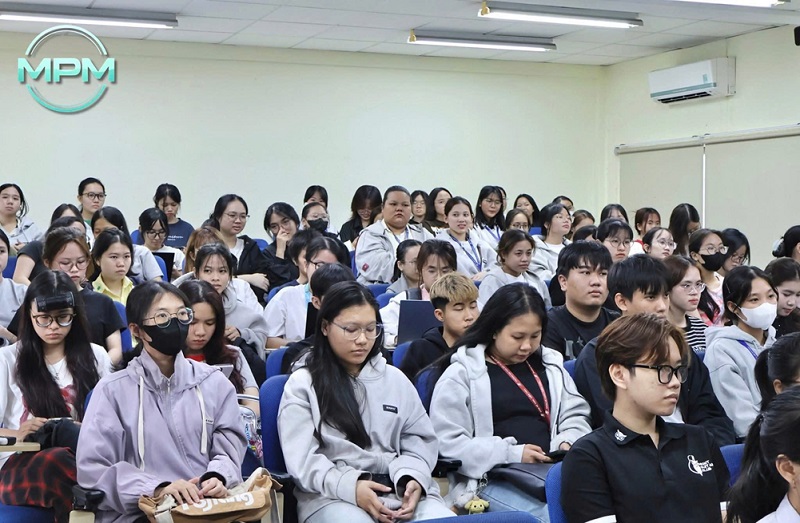
In addition to the expert presentation, the workshop also created an active space for academic exchange between the speaker and students. Numerous questions on topics such as online business, tax management policy in the digital era, and the legal responsibilities of individuals operating on social media platforms were raised and discussed openly and practically. This level of interaction helped make the program feel more relatable, engaging, and connected for everyone in attendance.
More than just a knowledge-sharing session, the “Tax Policy” workshop also served to raise students’ awareness of their civic responsibility to comply with the law and fulfill their obligations to the state. As online business activities continue to grow in popularity, equipping the younger generation with sound legal knowledge and a clear understanding of tax policy has become essential – especially for those who will soon enter the labor market and take part in shaping the economy of the future.
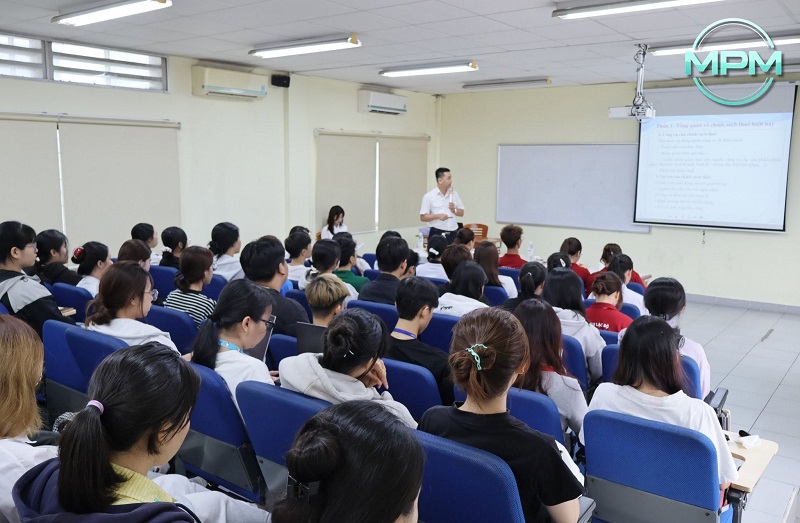
MPM Club would like to extend its sincere thanks to Mr. Pham Thanh Phong (M.A.) for his dedicated, practical, and insightful contributions to the program. The club would also like to thank the faculty members, supporting staff, and all the students who attended and helped make this workshop a success.
We hope that this workshop will serve not merely as an academic gathering, but as a source of inspiration for students to proactively explore economic and policy-related issues – fostering a mindset of learning grounded in real-world practice and a stronger sense of personal responsibility within modern society.
Below are some photos captured during the program.
For any questions or feedback, please contact: Email: mpmc.ou@gmail.com
Facebook Fanpage: MPM Club – Modern Public Management Club
Source: Students’ Association of the Faculty of Economics and Public Management
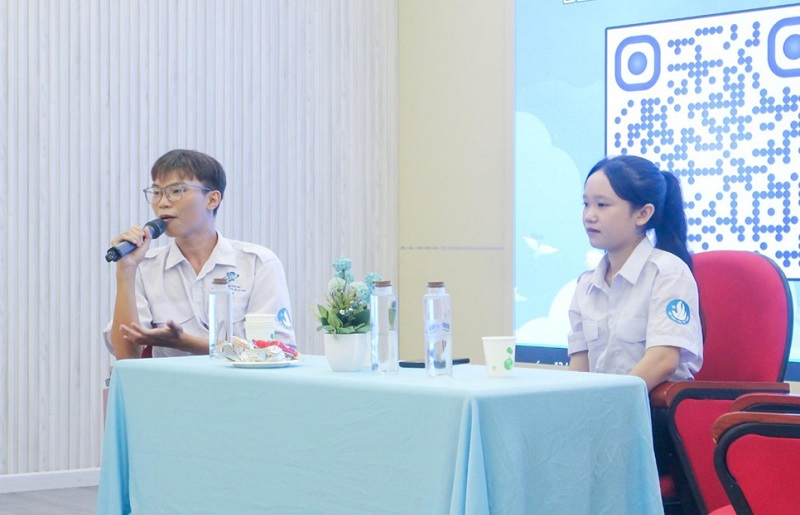
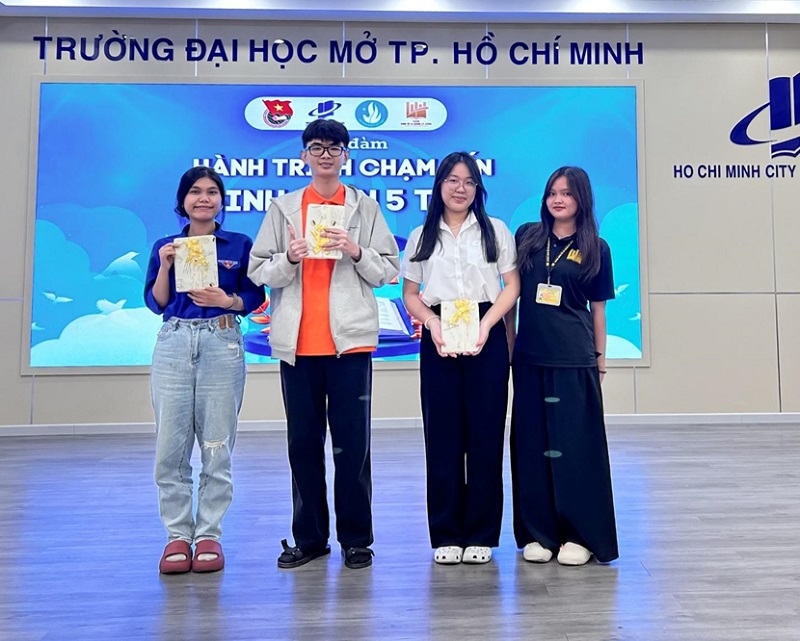
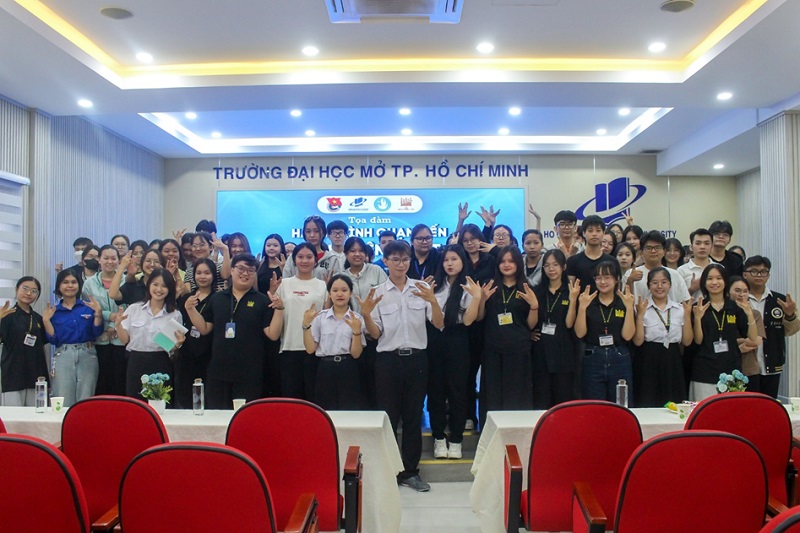
On the afternoon of May 6, 2026, at Hall 601 – 97 Vo Van Tan, the panel discussion “The Journey to Becoming a Student of 5 merits” Season 2, organized by the Students’ Association of the Faculty of Economics and Public Management, took place in a warm, lively, and emotionally engaging atmosphere, attracting a large number of student participants. The program not only brought sharing from two guest speakers about their personal journeys in pursuing the “Student of 5 merits” title, but also served as a source of motivation for students who are boldly beginning their own path of self – development.
During the panel, the speakers shared candid stories about their academic experiences, personal growth, and the challenges they faced along the way toward achieving the “Student of 5 merits” title. The heartfelt insights from Mr. Huynh Minh Tan Sang – President of the Students’ Association of the Faculty of Economics and Public Management and Vice President of the Student of 5 merits Club of Ho Chi Minh City Open University – and Ms. Le Thi Minh Nguyet – Executive Committee Member of the Students’ Association of the Faculty of Economics and Public Management – offered attendees a clearer and more grounded perspective on what it truly takes to strive for personal excellence.
Besides, the panel also served as a space for spreading positivity and sparking motivation, encouraging students to take their personal goals and self – development journey more seriously. The enthusiastic participation, attentive listening, and thoughtful questions from the audience all contributed to making the event a success.
As “The Journey to Becoming a Student of 5 merits” Season 2 came to a close, the organizing committee expressed their hope that many new journeys would begin, inspired by what was shared throughout the program. No matter how small the first steps may be, with persistence and determination, every student has the potential to gradually grow into a better version of themselves.
We sincerely thank the speakers, MC, and all students who joined us for “The Journey to Becoming a Student of 5 merits” Season 2. We look forward to seeing you again at future activities filled with even more meaningful experiences and value!
Selected highlights from the panel discussion:

Sources: Students’ Association of the Faculty of Economics and Public Management
The mental health workshop “Understanding Yourself a Little More Each Day” was a meaningful event organized by the Students’ Association of the Faculty of Economics and Public Management, aimed at raising students’ awareness of the importance of mental health in both academic life and everyday living. The program took place on May 6, 2026, at Hall 601, 97 Vo Van Tan campus, with the participation of a large number of students interested in psychology and personal development.
The talkshow featured sharing and insights from guest speaker Ms. Phan Thi Mai Quyen (M.A.), a lecturer from the Faculty of Social Sciences, Ho Chi Minh City Open University. Through real-life stories and professional perspectives, the speaker offered students practical knowledge on recognizing psychological stress, managing emotions, maintaining a balance between study and personal life, and building a positive lifestyle.
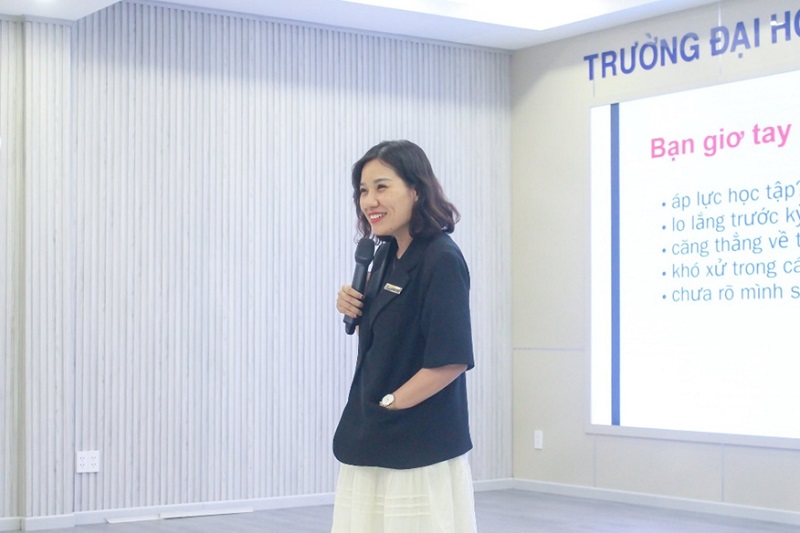
Besides the main presentation, the program also created an open space for students to interact directly, ask questions, and share personal challenges they were facing. This gave students the opportunity to feel heard, understood, and guided toward mental health practices better suited to their individual needs.
The workshop “Understanding Yourself a Little More Each Day” not only helped spread the message of positive living, but also encouraged students to take a more proactive approach to their mental well-being, ultimately enhancing their academic performance, personal growth, and holistic development throughout their university journey.
Selected highlights from the talkshow:
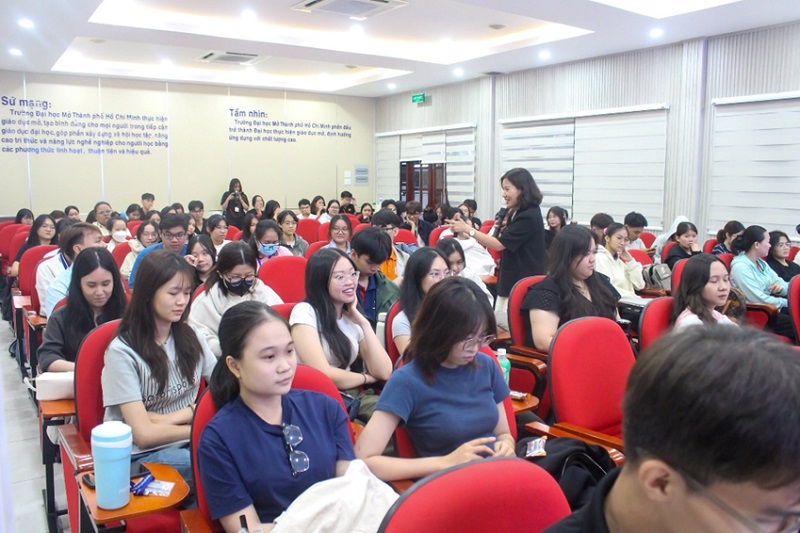
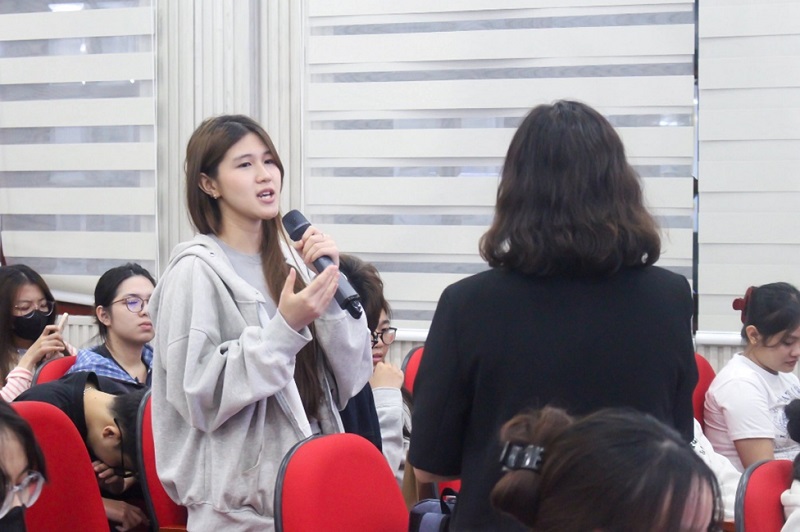
News Report: Communist Youth Union of the Faculty of Economics and Public Management
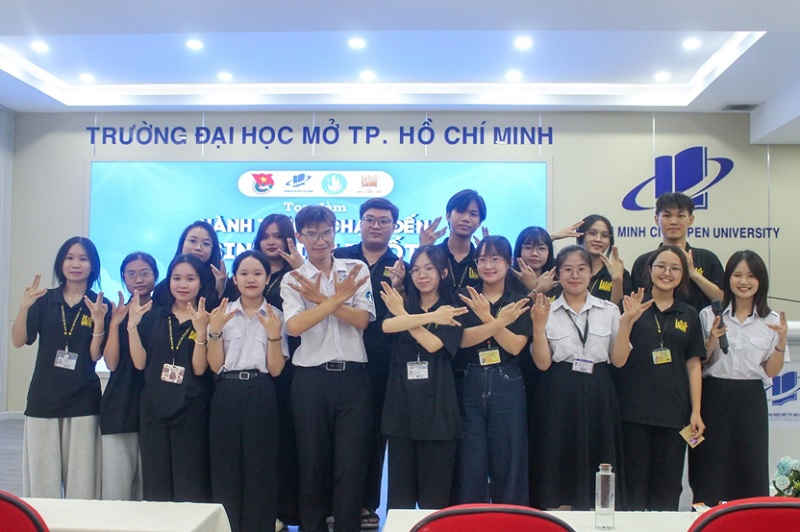
The “OU Student Leader 2026” competition, themed “Journey of a Global Citizen,” is a program organized by the Communist Youth Union – Vietnam Students’ Association of Ho Chi Minh City Open University, hosted by the Executive Committee of the Faculty of Business Administration. The competition serves as a platform to discover outstanding student leaders at Ho Chi Minh City Open University – individuals who embody confidence, intellect, and skill. The competition took place from March 20, 2026 to May 7, 2026.
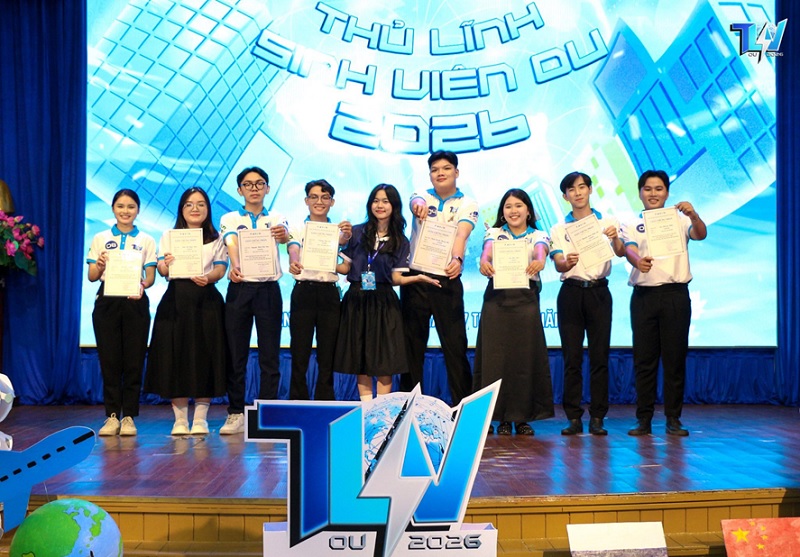
Award recipients at the final round
The competition revolves around knowledge and skills expected of a global citizen, covering topics such as sustainable development, life skills, digital transformation, international integration, Communist Youth Union and Students’ Association activities, logical thinking, and current affairs. Contestants go through a variety of rounds including a knowledge test, team-based real-world challenges, action project development, public speaking, situational response, and a talent showcase at the Final round.
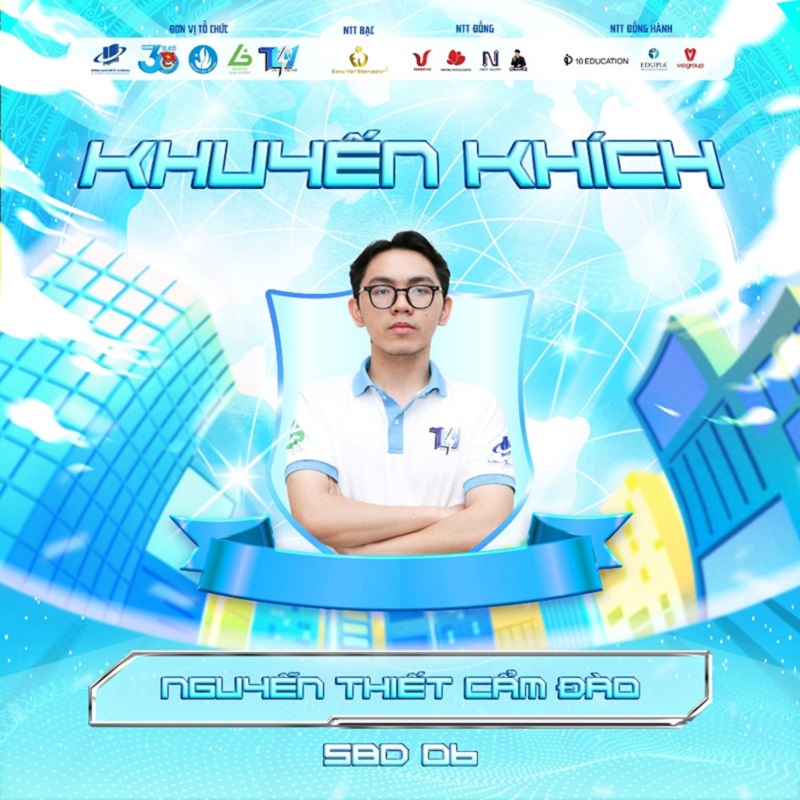
At the competition, contestant Nguyễn Thiết Cẩm Đào – a 2025-intake student from the Faculty of Economics and Public Management – made an impressive mark with his confidence, composure, and the passionate spirit of a Ho Chi Minh City Open University student.
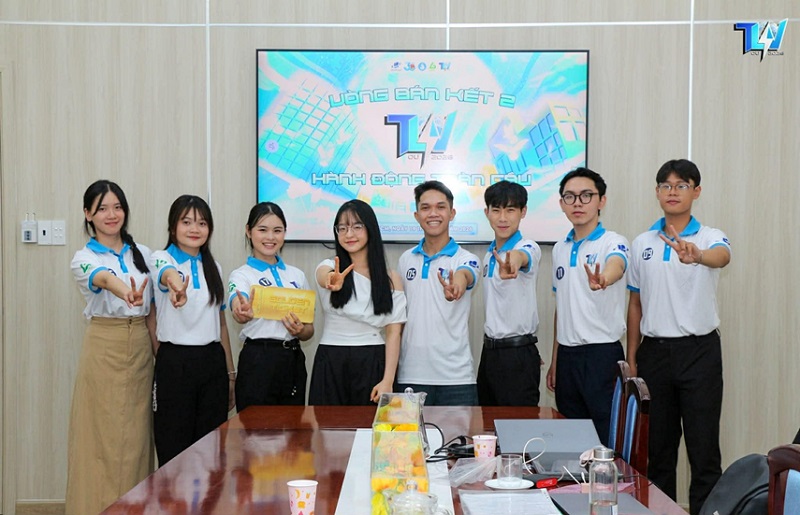
Cẩm Đào with fellow contestants at Semifinal Round 2 “Global Action” (second from the right)
Having gone through Semifinal Round 1 themed “Global Skills” and Semifinal Round 2 themed “Global Action,” with thorough preparation and creative thinking in each round, Cẩm Đào successfully advanced as one of the Top 8 contestants to enter the Final round.
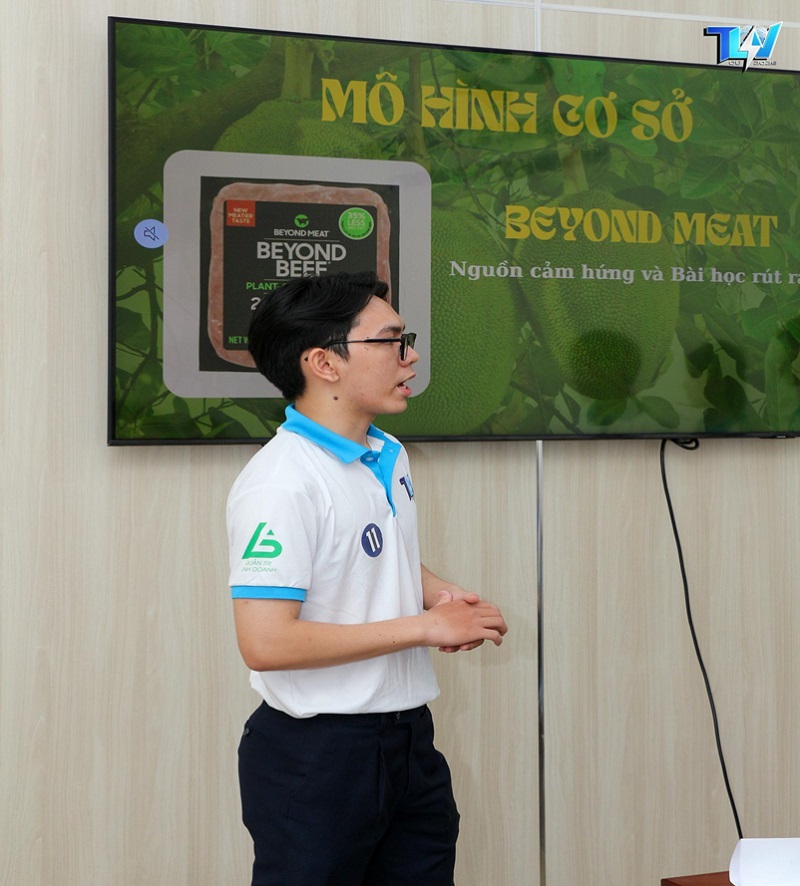
Cẩm Đào presenting the group segment at Semifinal Round 2
At the Final round, contestants competed through 4 challenging segments: Talented Leader, Wise Leader, Steadfast Leader, and Shining Leader. In the talent segment, contestants delivered a variety of standout performances, showcasing their personality and confidence on stage. Following that, the knowledge and public speaking segment created a vibrant competitive atmosphere when contestants had to draw on their social knowledge, reasoning skills, and adaptability to impress the judging panel.
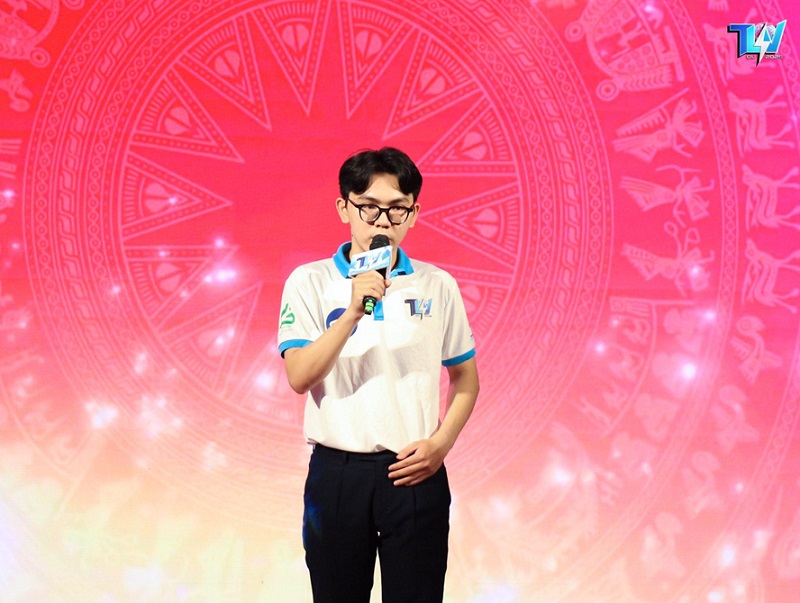
Cẩm Đào performing in the Talented Leader segment
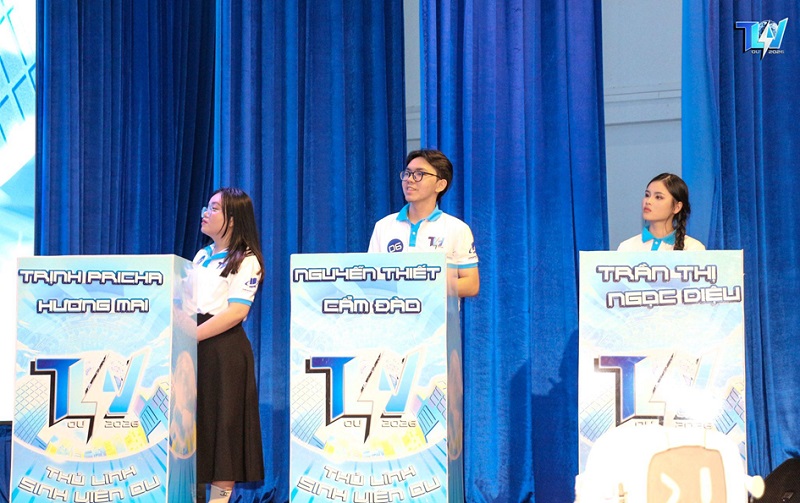
Contestant Cẩm Đào at the Wise Leader segment
With a calm demeanor, progressive attitude, and consistent effort throughout the competition, Nguyễn Thiết Cẩm Đào earned the consolation prize at the final round. This achievement is not only a source of personal pride for Cẩm Đào, but also helps spread the image of Economics and Public Management students as dynamic, confident, and passionate in both extracurricular and academic activities at the university.
Nguyễn Thiết Cẩm Đào receiving the consolation prize at the final round
Source: Communist Youth Union of the Falculty of Economics and Public Management
On the evening of May 11, 2026, at Hall 202 – the 35-37 Ho Hao Hon campus, the Communist Youth Union of the Faculty of Economics and Public Management successfully organized a scientific research talkshow for students themed “Journey of a Young Researcher.” With the participation of nearly 300 students from various faculties across the university, the event demonstrated the growing interest in and enthusiasm for scientific research among students of Ho Chi Minh City Open University.
The talkshow was honored to have MA. Phạm Năng Thắng – a lecturer from the Faculty of Economics and Public Management – as the guest speaker. With years of experience mentoring students in scientific research, he shared practical and relatable insights on how to get started in research, how to develop a topic idea, implementation methods, and the essential skills needed to carry out an effective research project.
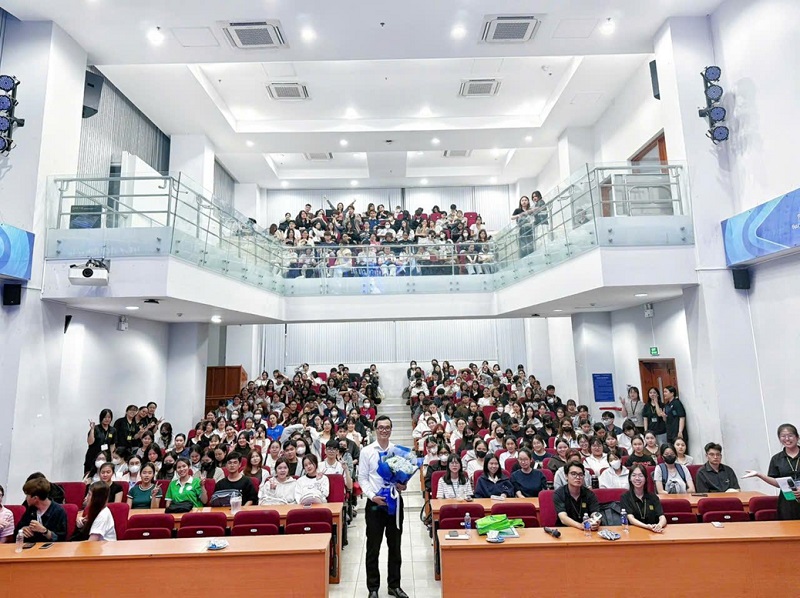
Beyond professional knowledge, the event also gave students the opportunity to hear real-life stories from the research journey – from early struggles to experiences of overcoming pressure and developing academic thinking. The Q&A and discussion segment was lively, with many questions revolving around topic selection, teamwork skills, writing research reports, and participating in academic competitions.
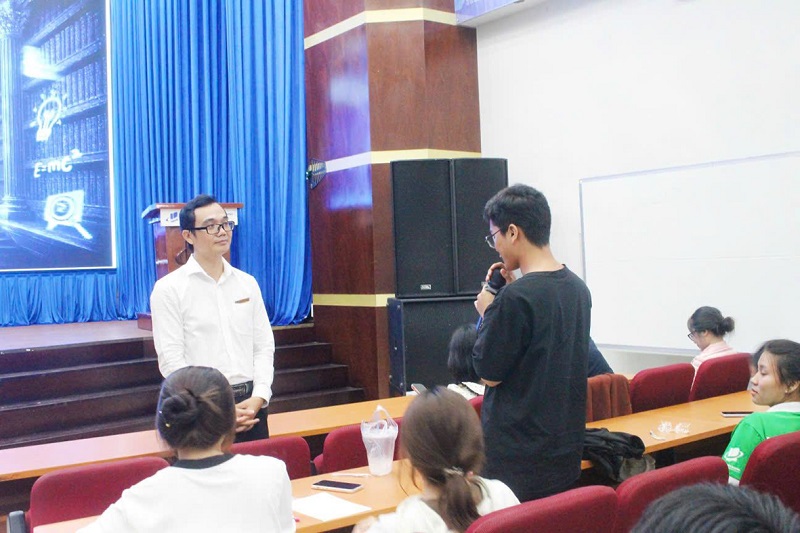
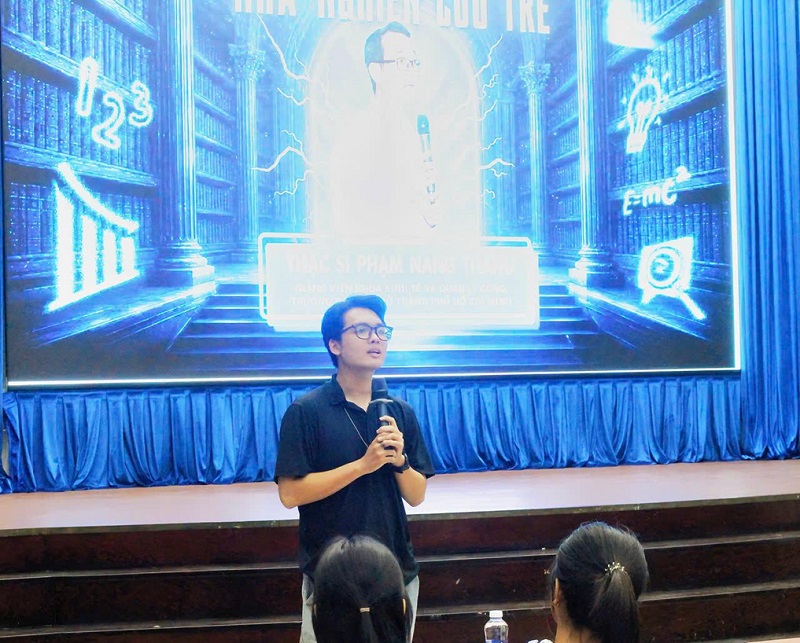
Through the talkshow, the Communist Youth Union of the Faculty of Economics and Public Management hopes to spread the spirit of scientific research among students, foster a dynamic academic environment, and inspire them to boldly challenge themselves and grow on their journey toward becoming young researchers in the future.
Source: Ms. Tong Hong Lam, M.Sc. – Lecturer, Faculty of Economics and Public Management
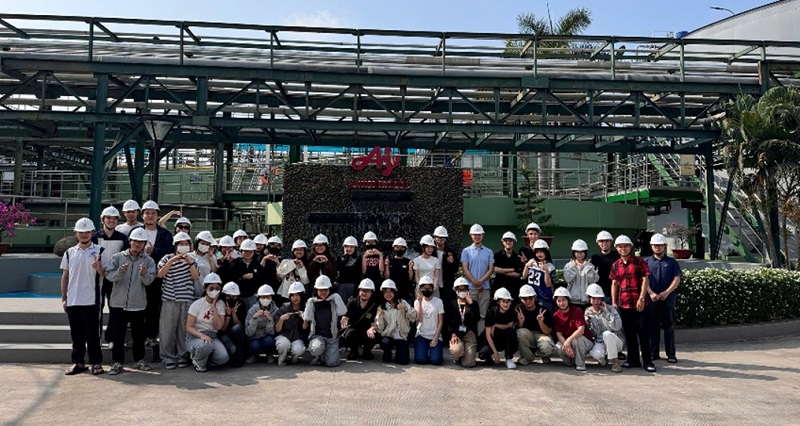
Recently, 2023-cohort students of the Faculty of Economics and Public Management – Ho Chi Minh City Open University studying Environmental Economics took part in a rewarding field trip to Ajinomoto Vietnam (Bien Hoa 1 Industrial Zone, Dong Nai Province). This trip was not only an opportunity for students to experience modern manufacturing processes in the real world, but also a practical lesson about applying circular economy models in businesses.
Under the dedicated guidance of Ajinomoto’s technical team, the students undertook a comprehensive, closed-circuit field visit encompassing the following components:
Modern Production Processes: Students had the opportunity to directly observe the manufacturing lines for AJI-NO-MOTO monosodium glutamate and other food seasoning products. Detailed explanations were provided regarding the optimization of productive resources and the management of input costs – a dimension of considerable significance within the discipline of Economics.
Advanced Wastewater Treatment Infrastructure: This is the main point of the visit in direct correspondence with the subject of Environmental Economics. The centralized wastewater treatment system representing a total capital investment of several million US dollars, allowed students to substantively deepen their understanding of the concept of negative externalities and how the enterprise mitigates its environmental impact.
One of the most impressive highlights of the visit was the plant’s “Closed-Loop Biological Cycle” model. Ajinomoto does not simply manufacture products, it also makes use of fermentation by-products to produce liquid fertilizers and animal feed, which are then supplied back to the agricultural sector. Witnessing how the plant turns waste into valuable resources helped students better understand green tax theory and environmental standards they had studied in class. This serves as a vivid, real-world example of balancing profitability with corporate social responsibility. The visit also sparked a shift in perspective among students -from viewing environmental protection as a cost to seeing it as a strategic investment for sustainable development.
By the end of the visit, students had not only gathered valuable real-world data for their coursework, but also left feeling inspired by what responsible business practice looks like in the green era.
Selected highlights from the visit:
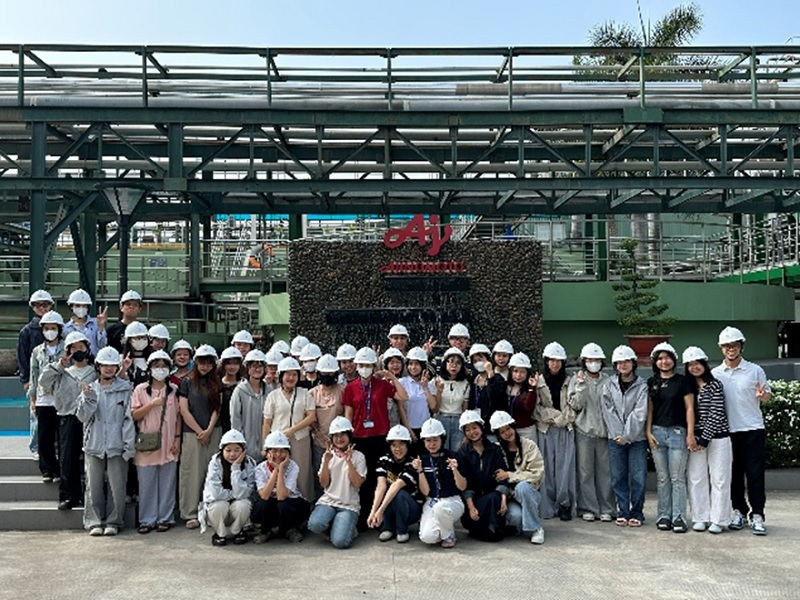
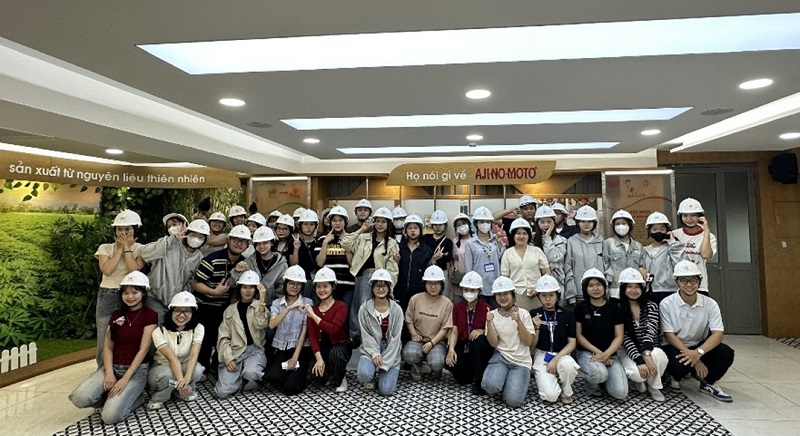
Students taking souvenir photos in the factory lobby
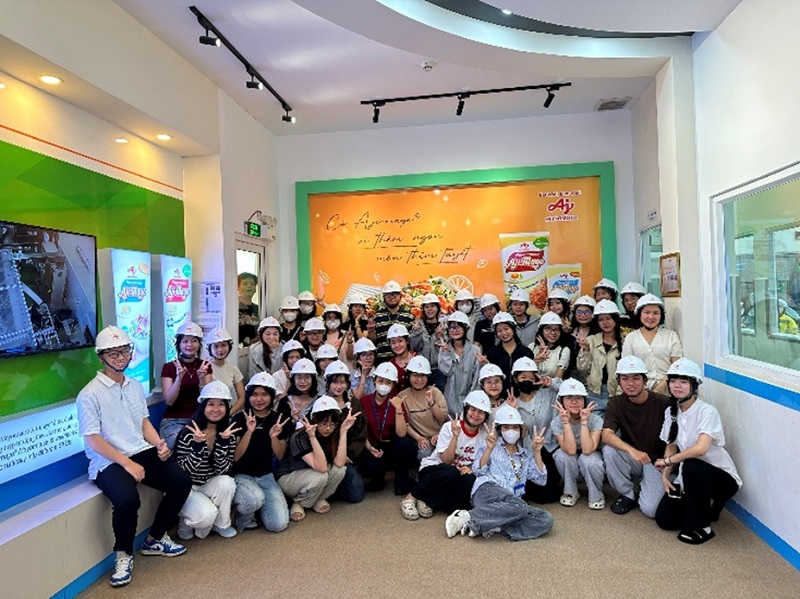
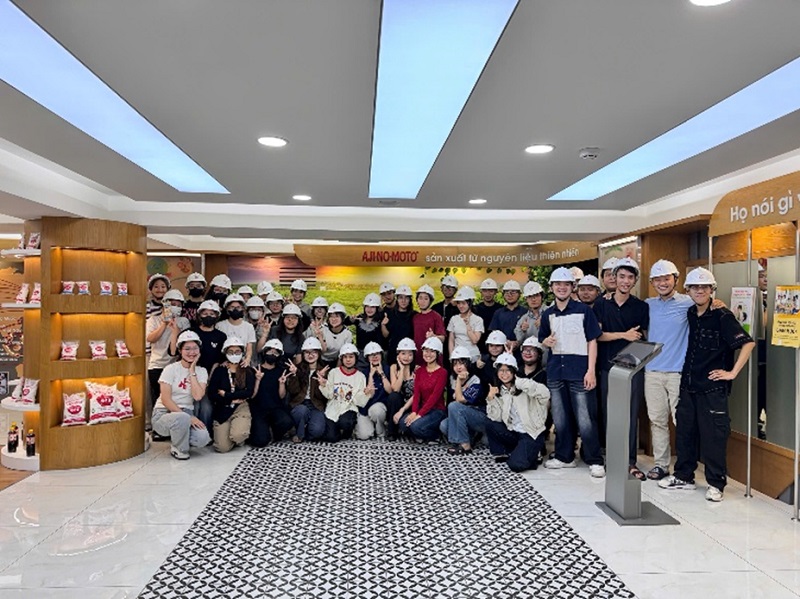
Hands-on experience with products made from green manufacturing processes
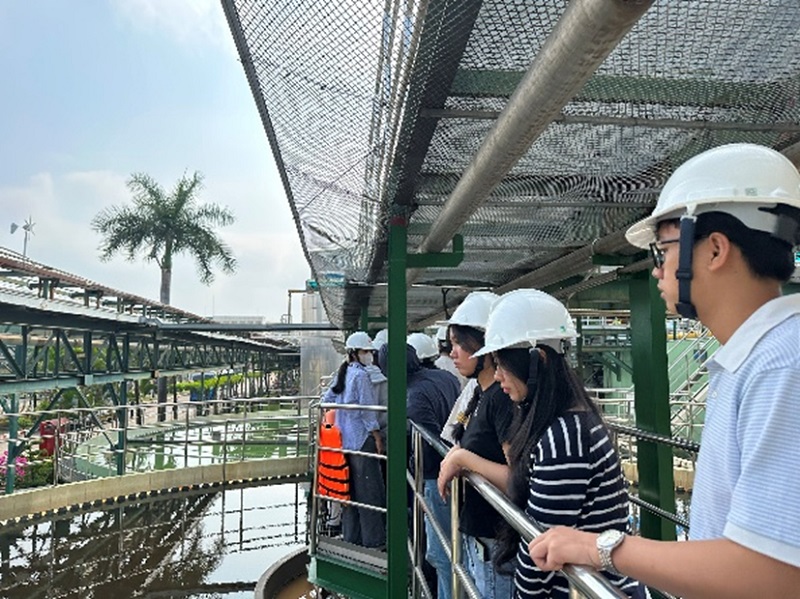
Observing the wastewater treatment system model
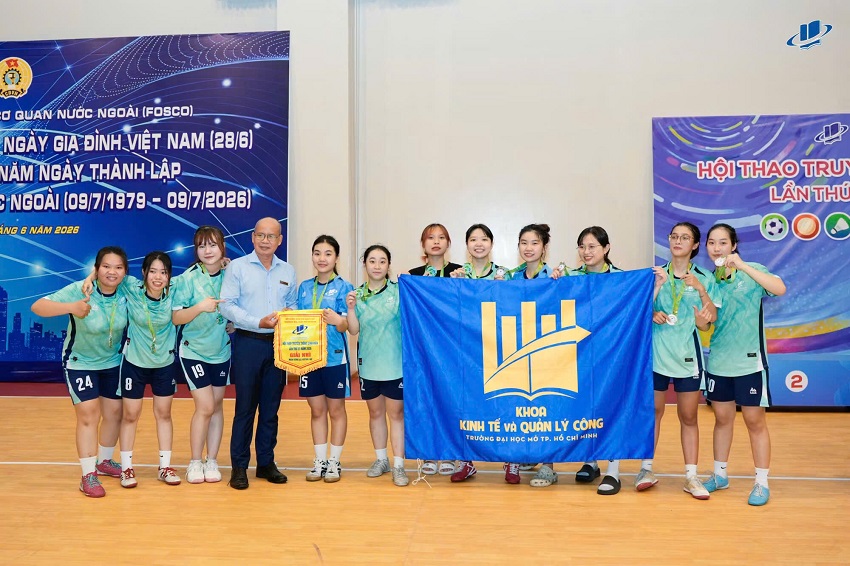
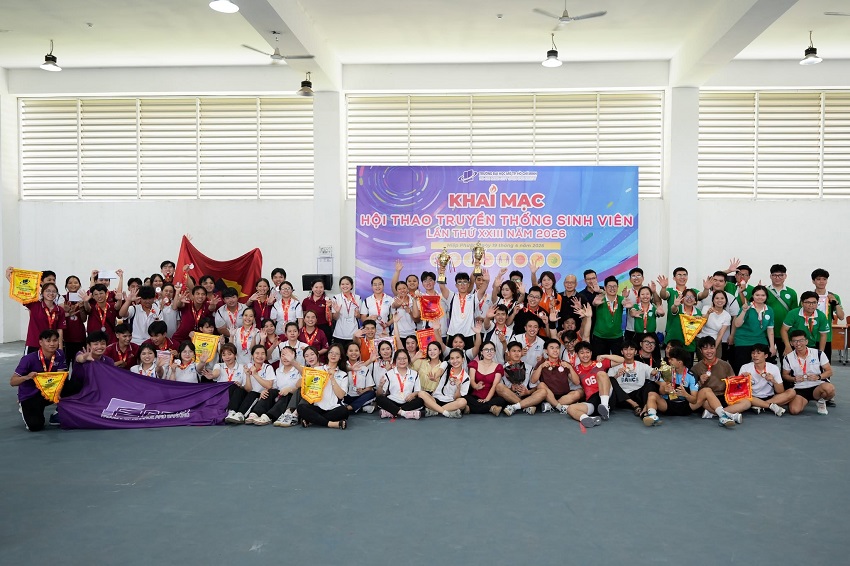
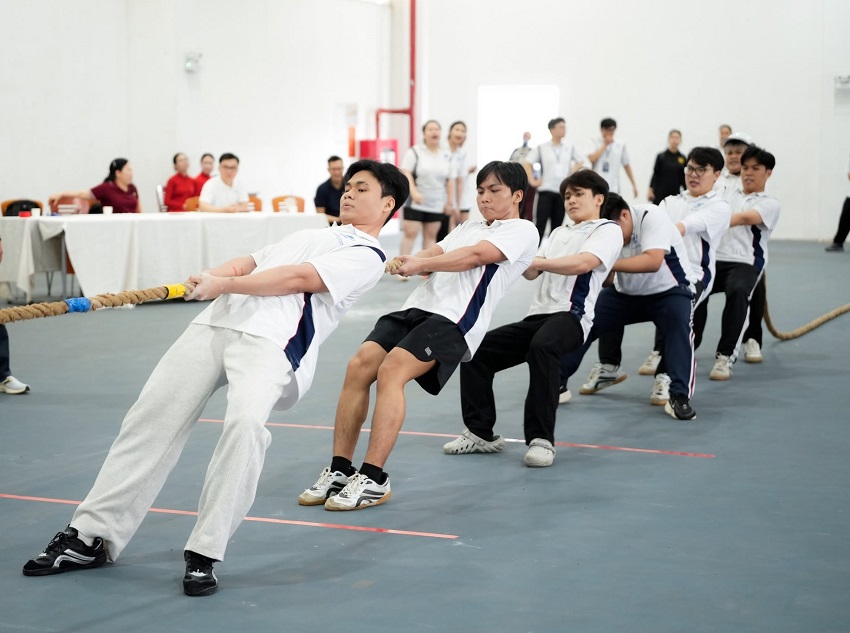
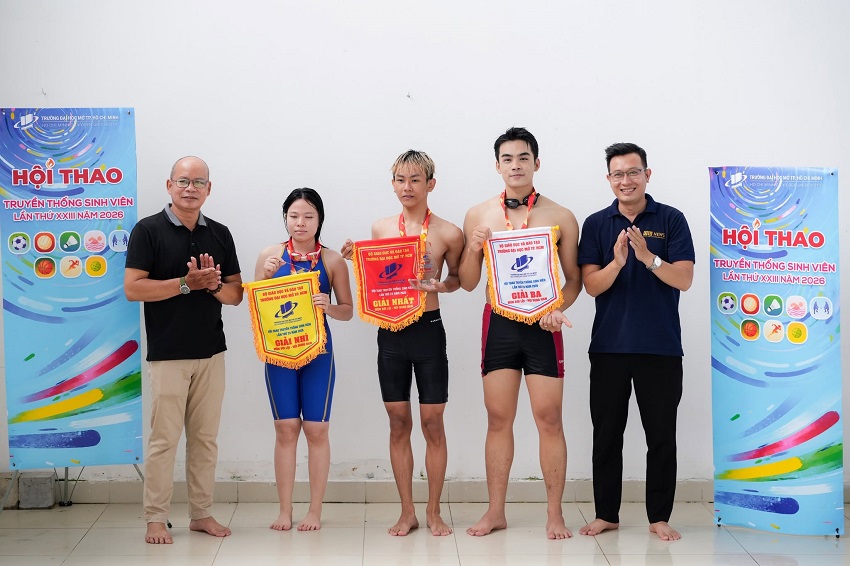
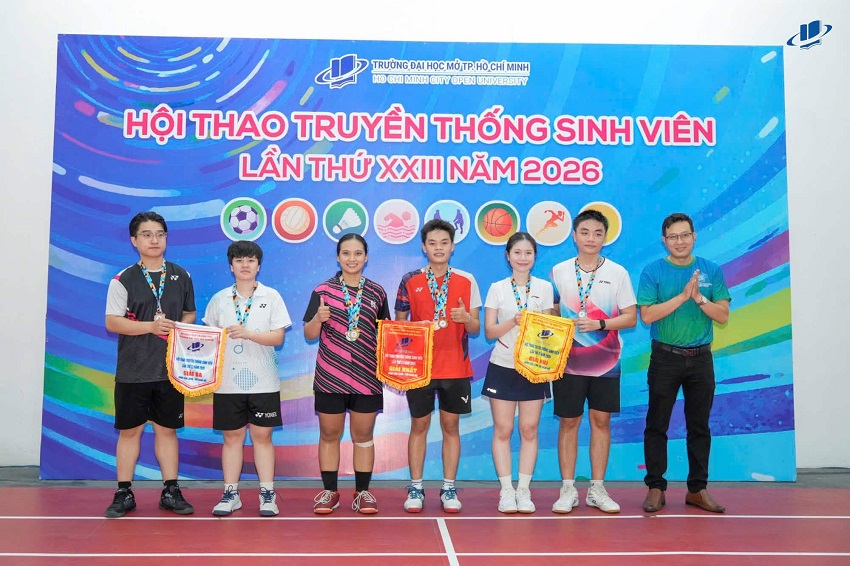
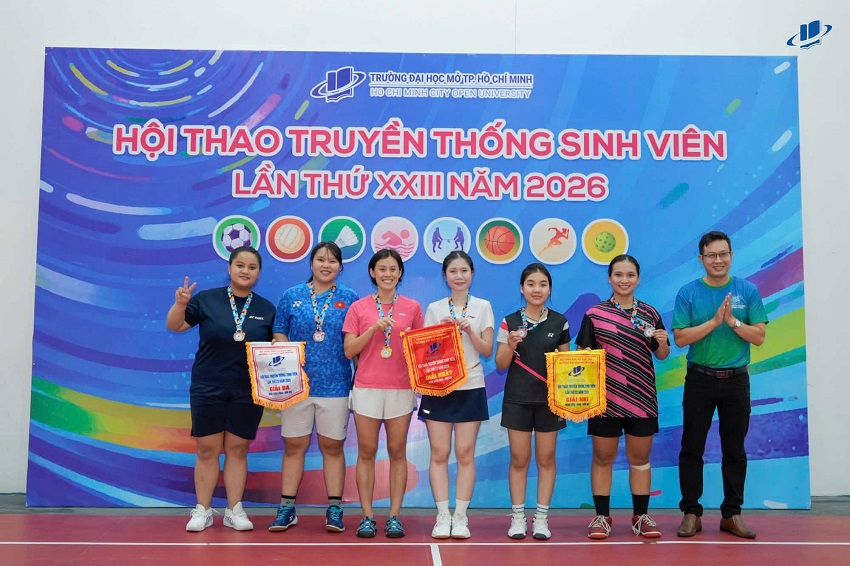
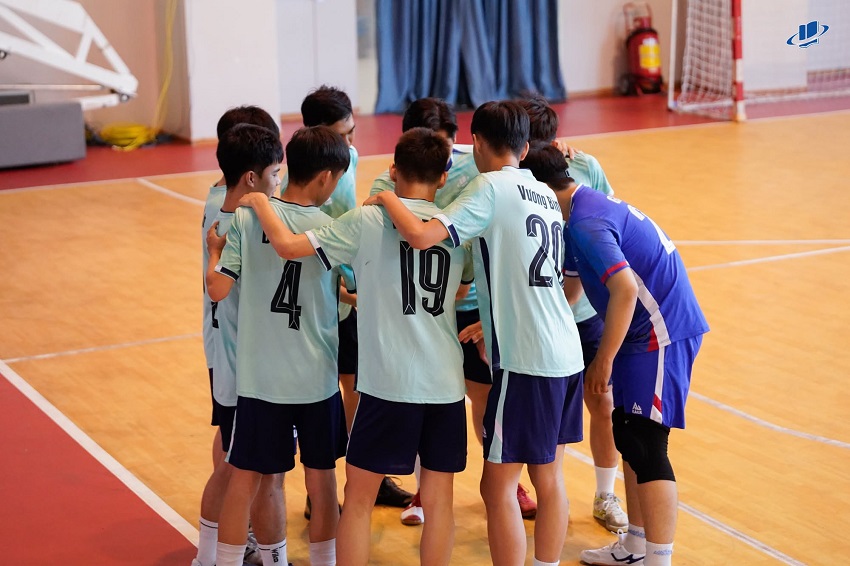
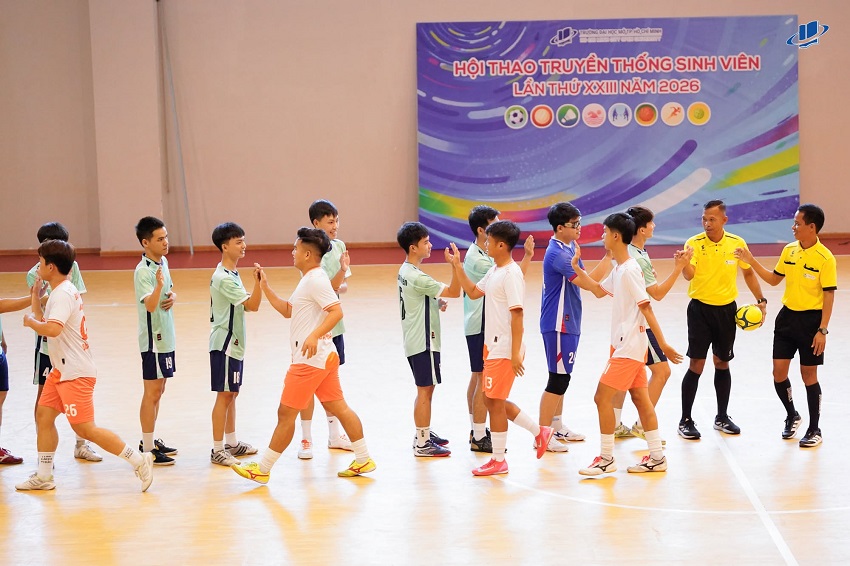
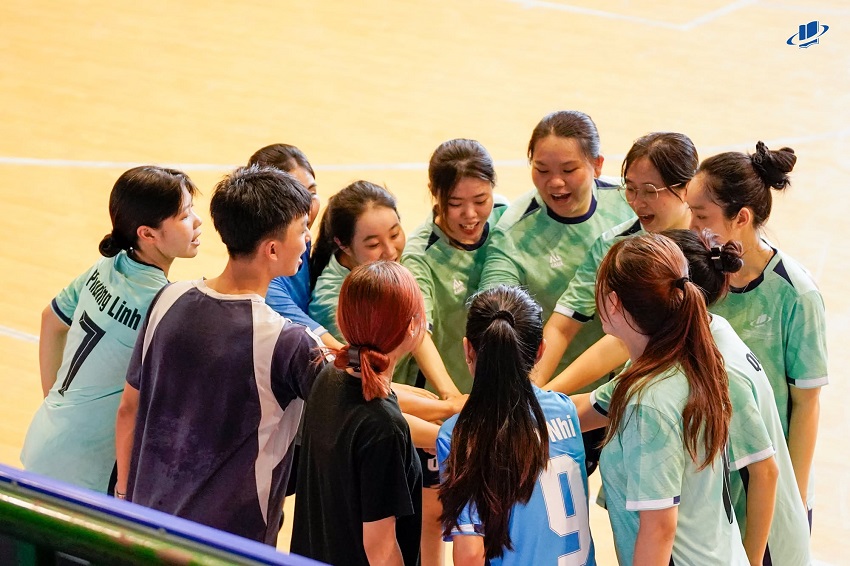
The 23rd Annual Student Sports Festival of the University was held from April to June 2026. The Faculty of Economics and Public Management registered to compete in 12 events, including: men’s tug of war, women’s tug of war, mixed team tug of war, men’s 50m freestyle swimming, men’s badminton doubles, women’s badminton doubles, mixed badminton doubles, men’s volleyball, women’s volleyball, men’s football, women’s football, and men’s 3×3 basketball.
After an exciting period of competition, students of the Faculty of Economics and Public Management achieved numerous awards, including:
Selected photos of the faculty’s students at the Sports Festival:
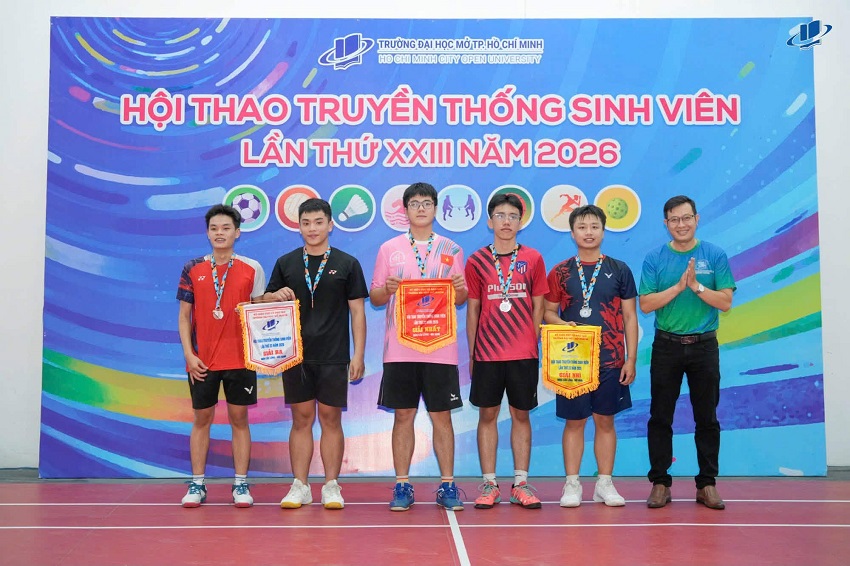
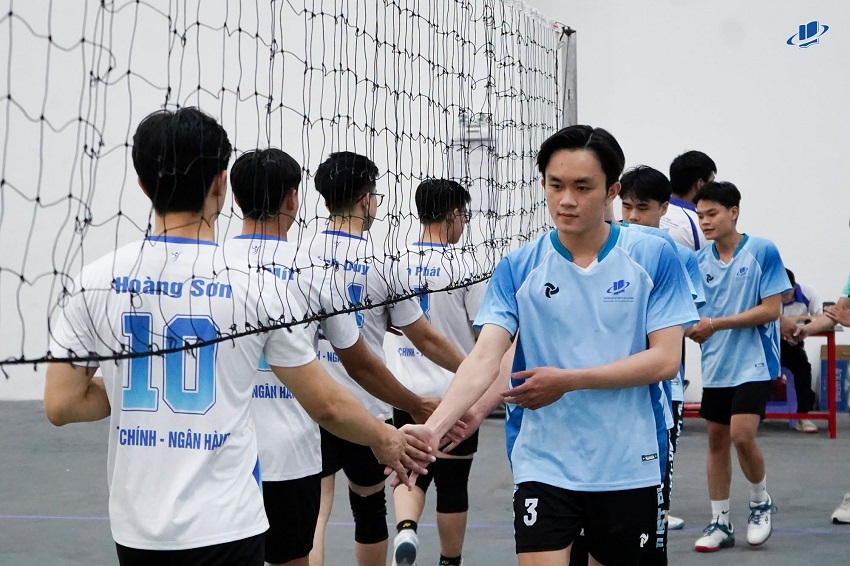
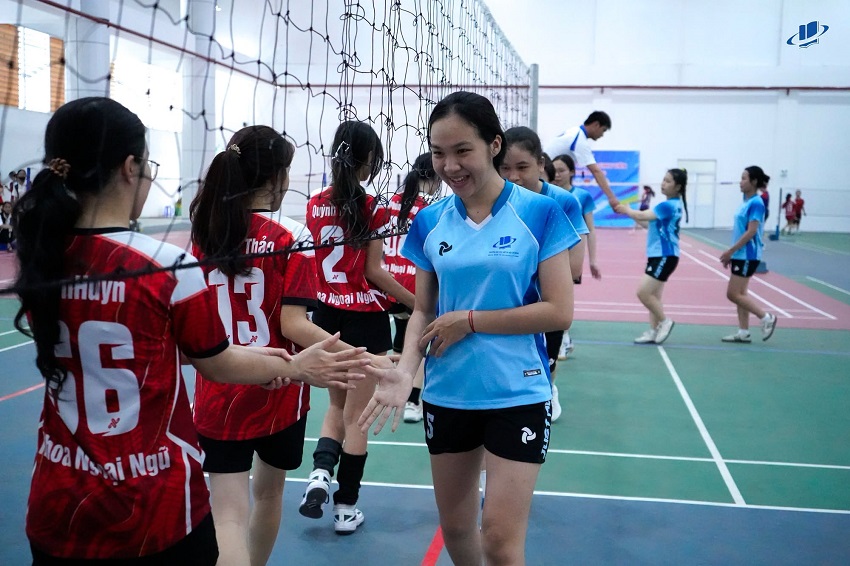
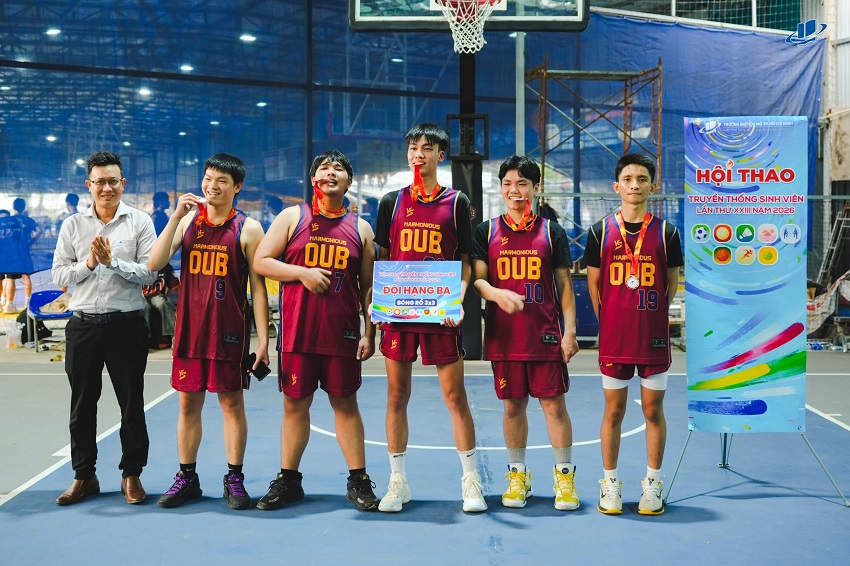
Source: Ms. Nguyen Minh Thu Hoang (M.A.), Lecturer at the Faculty of Economics and Public Management
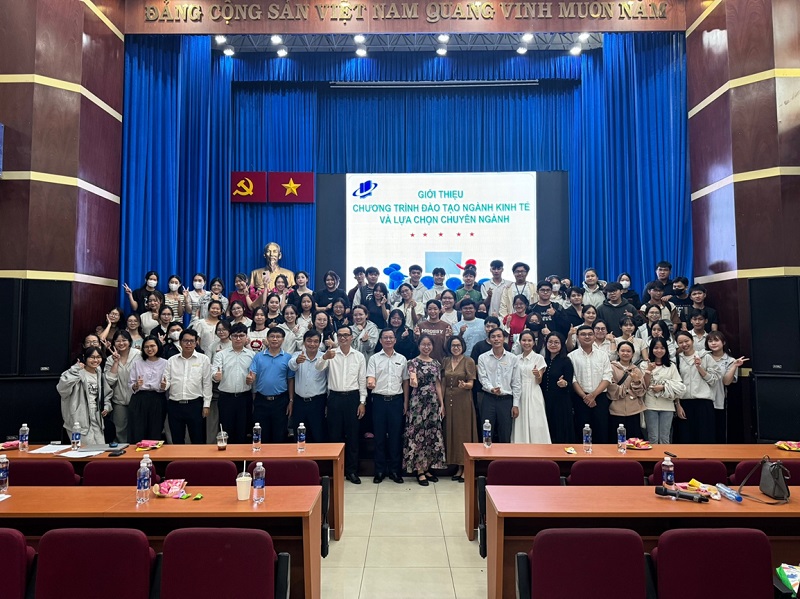
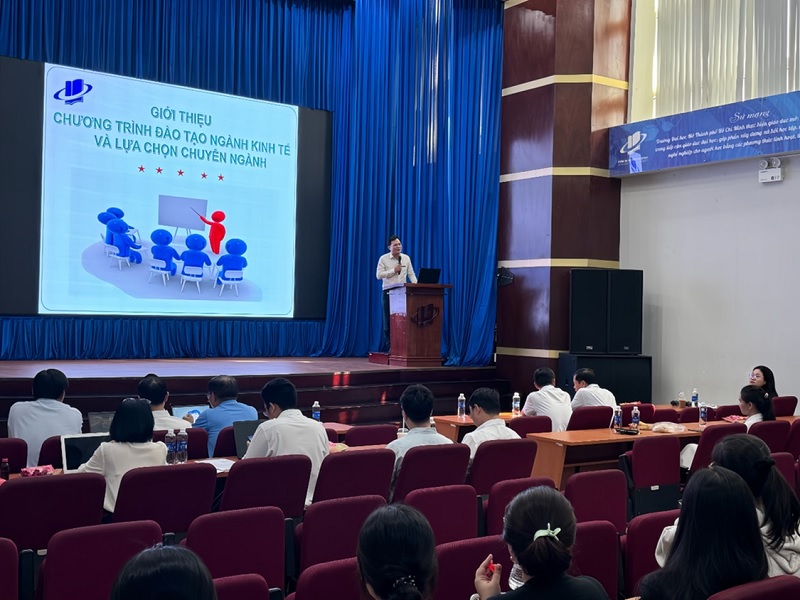
On June 26, 2026, the Faculty of Economics and Public Management organized an Introduction Session on the Economics Training Program, along with guidance on major selection, for 2024-cohort students majoring in Economics. The event aimed to provide students with essential information about the training program, objectives, and career opportunities across four specializations: Economics, Investment Economics, International Economics, and Real Estate. Through this major-selection session, 2024-cohort students gained a stronger foundation for choosing a specialization that aligns with their abilities, interests, and future career direction.
Opening the program, Assoc. Prof. Dr. Le Thanh Tung – Dean of the Faculty of Economics and Public Management – presented an overview of the Economics training program, helping students understand its overall structure. He also took the time to share practical advice on soft skills, an essential complement to professional knowledge, and introduced several notable career paths students could pursue after graduation.
Next, Ms. Doan Thi Thuy (M.A.), Deputy Director of the Economics Program, shared valuable insights on choosing a major. She encouraged students to take time to explore their own interests and strengths while also staying informed about real-world employer demands, in order to “find the intersection between passion, capability, and career opportunity.” She also emphasized that students should carefully compare specializations before making a decision, avoiding the temptation to follow short-term trends and instead prioritizing fields with strong, long-term growth potential. To support this process, she suggested that students make use of job-market research tools, take personality assessments, or speak directly with professionals already working in the field to gain a more realistic and objective perspective.
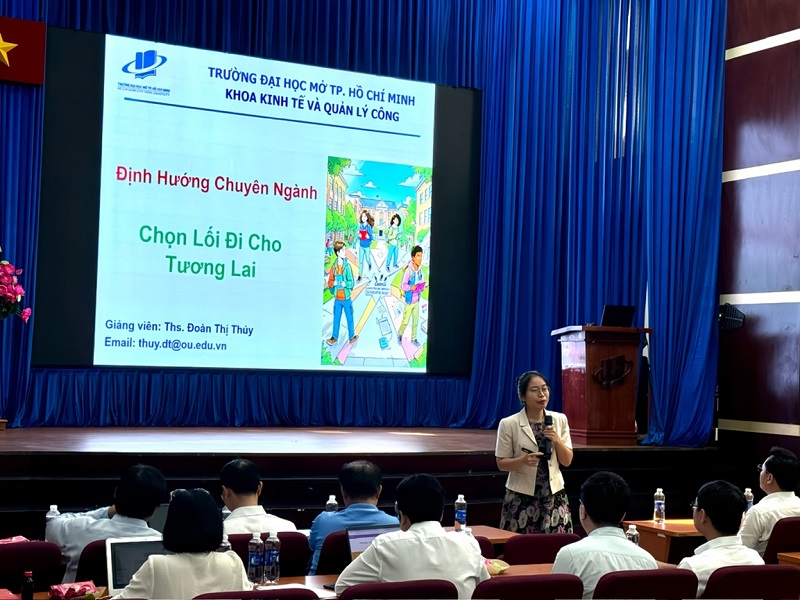
Following this general guidance, faculty members took turns introducing each specialization in detail. Ms. Ho Thanh Truc (M.A.), Lecturer at the Faculty of Economics and Public Management, introduced the Economics specialization, focusing on its curriculum content as well as the wide range of career opportunities available after graduation.
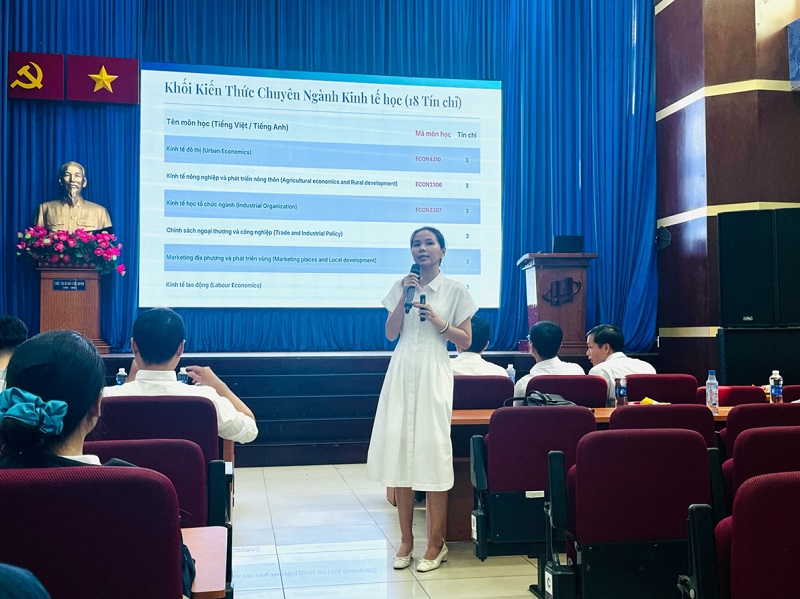
Mr. Le Cong Tam (M.A.), Lecturer at the Faculty of Economics and Public Management, introduced the Real Estate specialization. As a relatively new field of study, he spent considerable time highlighting its growth potential and practical benefits. However, he also reminded students that choosing a major should be based on one’s genuine personality and abilities, rather than simply following market trends.
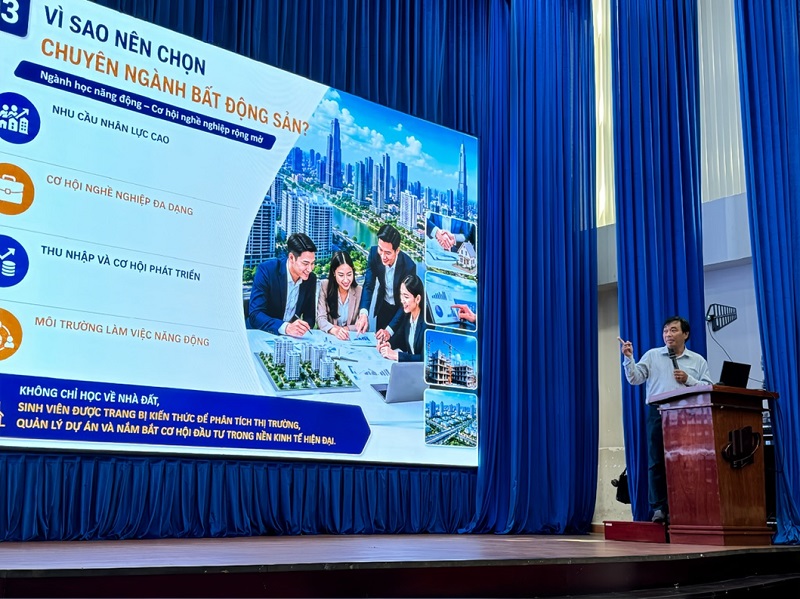
Mr. Nguyen Chi Nguyen (M.A.), Lecturer at the Faculty of Economics and Public Management, introduced the International Economics specialization. He provided a detailed walkthrough of the program’s courses and required learning outcomes, giving students a clearer and more comprehensive picture of this field.
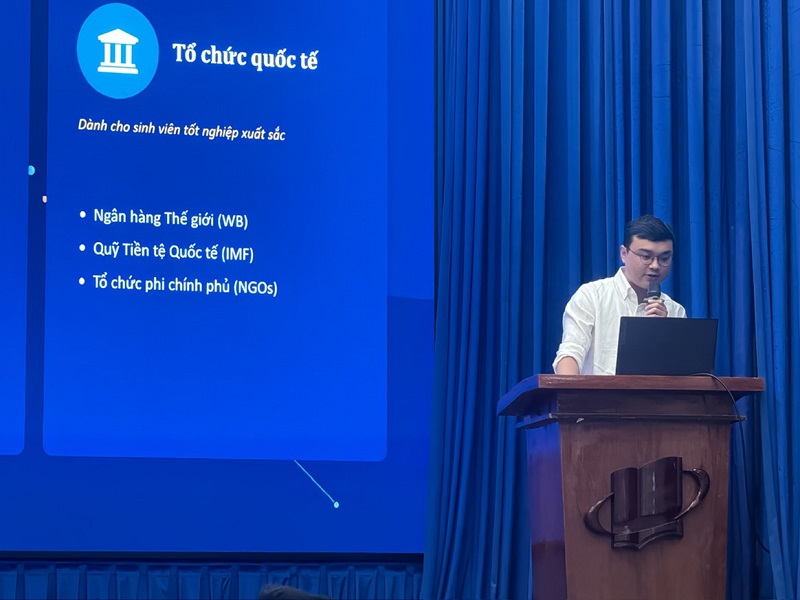
Mr. Pham Nang Thang (M.A.), Lecturer at the Faculty of Economics and Public Management, presented the Investment Economics specialization. He offered an in-depth analysis of the training program and specific study pathway, while encouraging students with a passion for investment to confidently pursue this specialization.
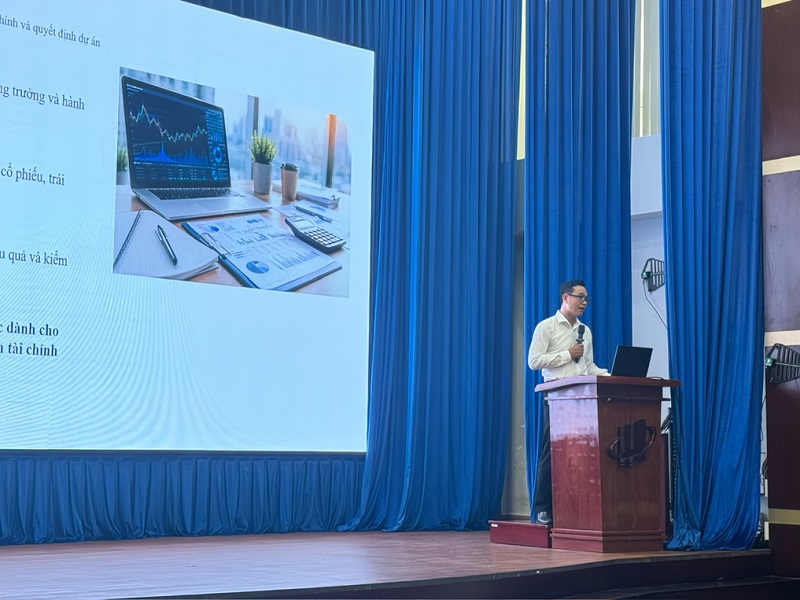
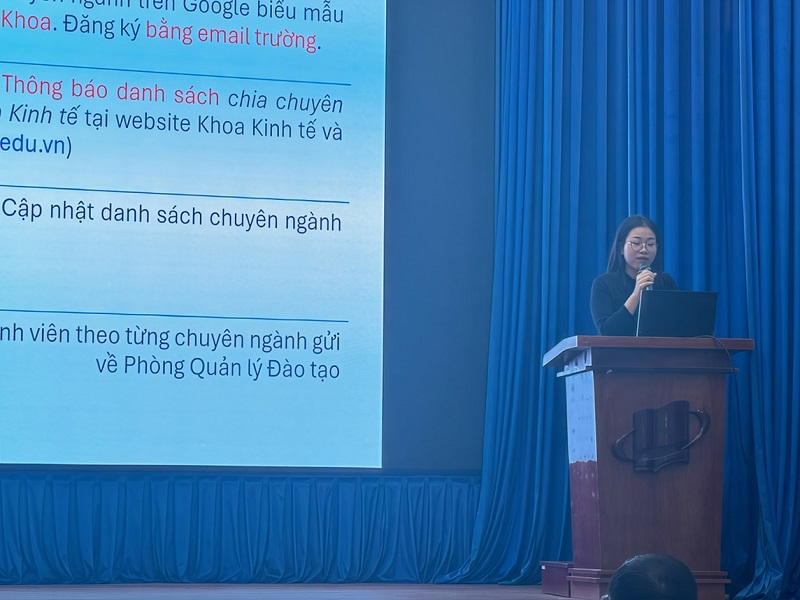
Following this, Ms. Pham Thi Bich, a staff member of the Faculty of Economics and Public Management, provided a thorough explanation of the major registration process, including key deadlines and regulations to be followed. This session helped students clearly understand the necessary procedures, minimizing the risk of registration errors such as selecting the wrong major or being unable to register for any specialization at all.
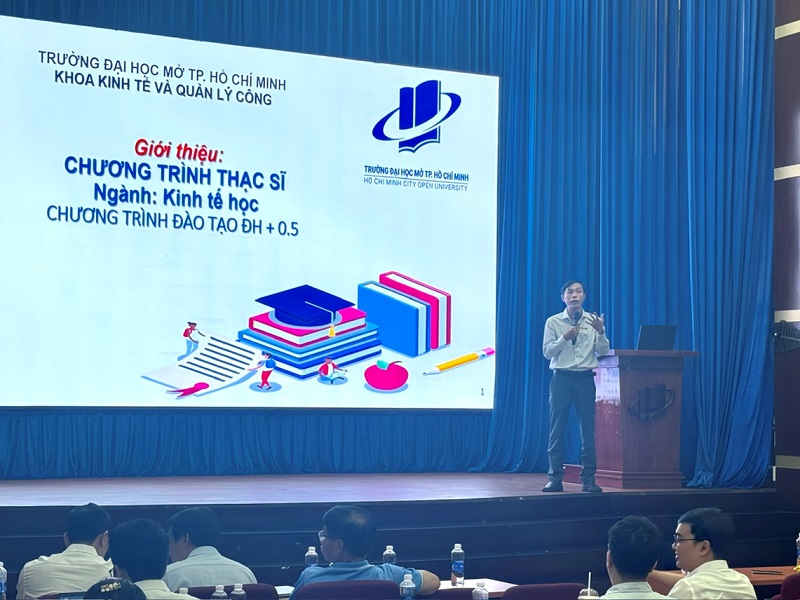
Closing the program, Dr. Truong Ngoc Hao, Deputy Director of the Investment Economics Program, introduced the Master’s program in Economics under the “Undergraduate program + 0.5” model. Under this model, final-year students can proactively complete certain Master’s-level credits while still pursuing their undergraduate studies, significantly shortening the time required to complete their postgraduate degree. He also discussed the flexibility of the study schedule, as well as scholarship policies available for students intending to pursue a Master’s degree.
The session concluded successfully, equipping 2024-cohort students with the essential overview knowledge needed to confidently choose the specialization best suited to their abilities and future career direction.
More photos from the event.
Source: Mr. Le Van Phong (M.A.) – Lecturer, Faculty of Economics and Public Management
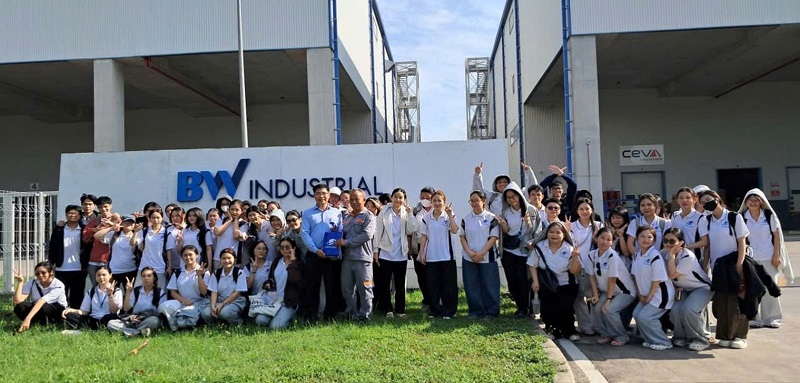
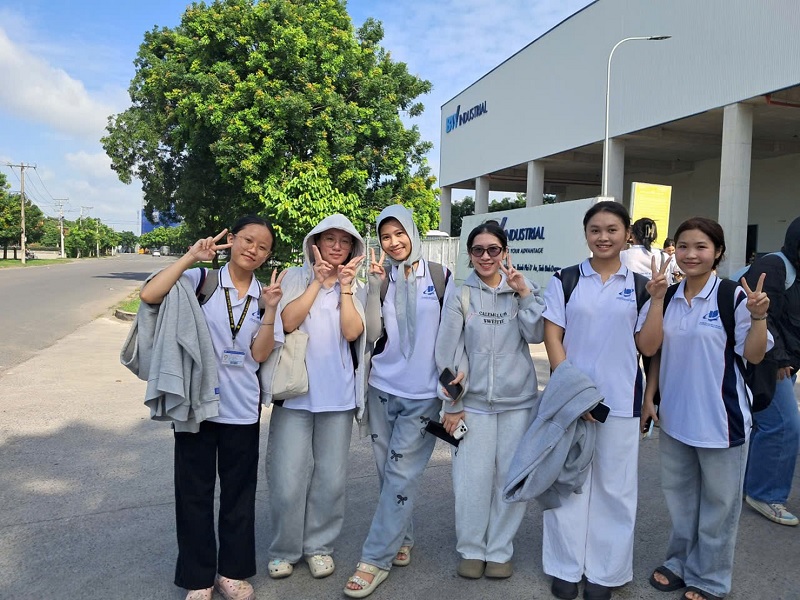
On the morning of July 11, 2026, more than 70 students from class DH24PM01, Faculty of Economics and Public Management, Ho Chi Minh City Open University, took part in a meaningful field study visit to BW Industrial Development Co., Ltd. (BW Industrial) at Tan Dong Hiep Industrial Zone. The visit was conducted as part of the Public Project Management course, under the dedicated guidance of Mr. Le Van Phong (M.A.) and with professional insights shared by Mr. Nguyen Hung Truong (M.A.), Chief Accountant of Tan Dong Hiep B Industrial Zone – an applied training approach highly regarded by international organizations.
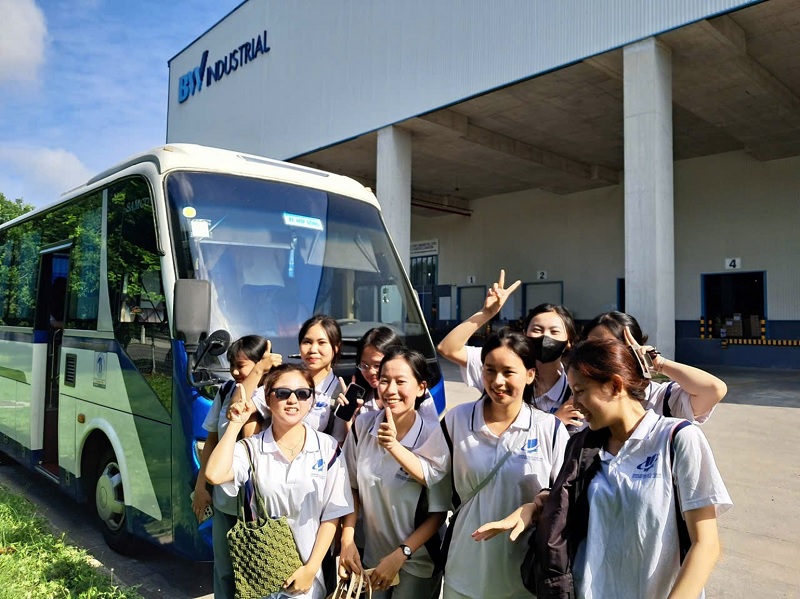
BW Industrial Development is one of Vietnam’s leading industrial real estate and logistics developers, formed as a strategic joint venture between global investment fund Warburg Pincus (USA) and Becamex IDC Corporation (Vietnam). BW specializes in delivering comprehensive infrastructure solutions, including ready-built factories, ready-built warehouses, and modern logistics centers that meet international standards.
The host facility is located within Tan Dong Hiep B Industrial Zone (Di An City, Binh Duong Province) – a strategically positioned industrial zone with convenient connectivity to major economic centers, airports, and seaports. Spanning 215 hectares with a total investment of VND 1,000 billion, the zone currently operates at near-full occupancy (100%), hosting 86 enterprises, including 33 FDI companies.
Throughout the visit, students engaged in a dynamic series of observation and hands-on learning activities:
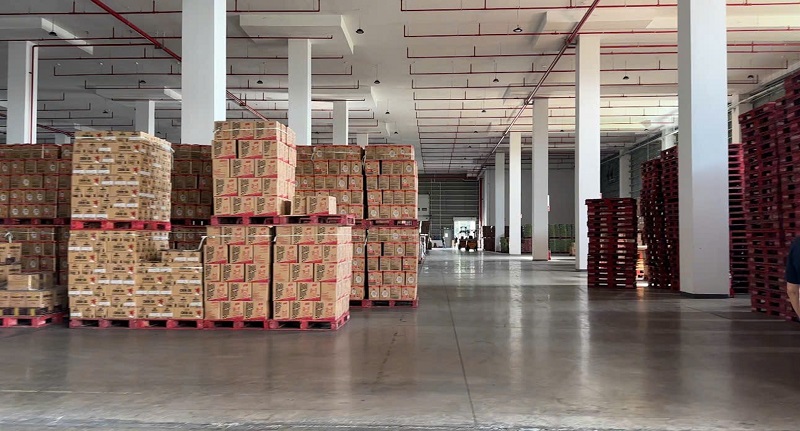
Tour of modern warehouse facilities: Students had the opportunity to witness firsthand the scale of large-scale warehouses – notably the O2A warehouse of ACFC – and the logistics facilities of global corporations such as Nippon Express and Yusen Logistics. They observed operational workflows, safety system layouts, and storage space optimization strategies.
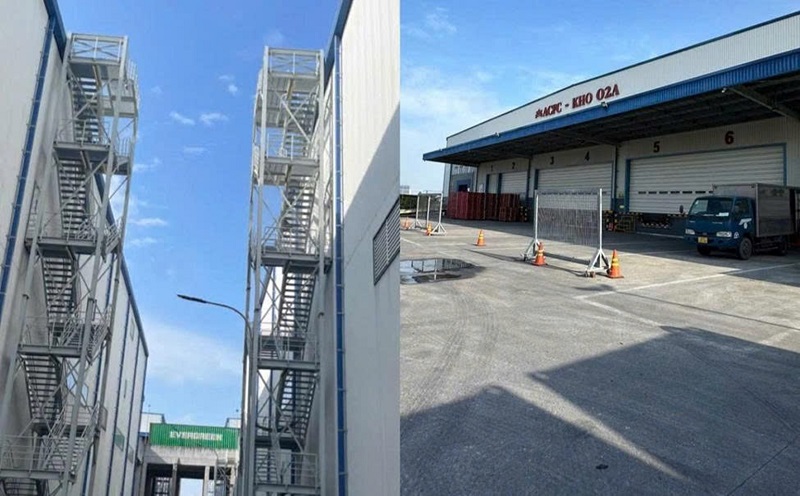
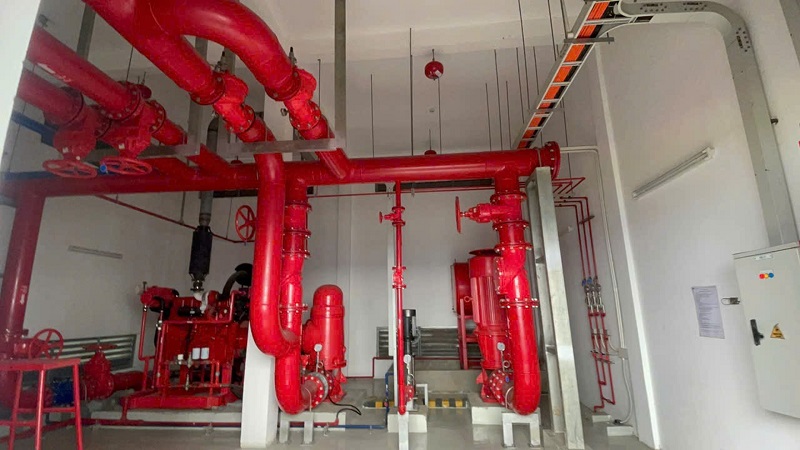
Technical infrastructure survey: Students explored key infrastructure components, including the fire protection system with a 1,000 m³ backup water reservoir (3 meters deep), a 1,000 kVA transformer substation, and a nearly 1,000 MVA power station ensuring uninterrupted operation across the entire zone.
Several students shared their reflections and key takeaways from the visit:
Student Tran Thi Loan: “Complex problems in environmental risk management and supply chain optimization – once confined to theoretical models – were brought to life through real operational practice. This helped us develop a sharp, grounded perspective.”
Student Nguyen Tran Thanh Binh: “The trip helped us bridge the gap between classroom theory and real-world practice. Public project management in the new era is not just about cost calculation – it is about the capacity to manage risk and anticipate sustainability standards.”
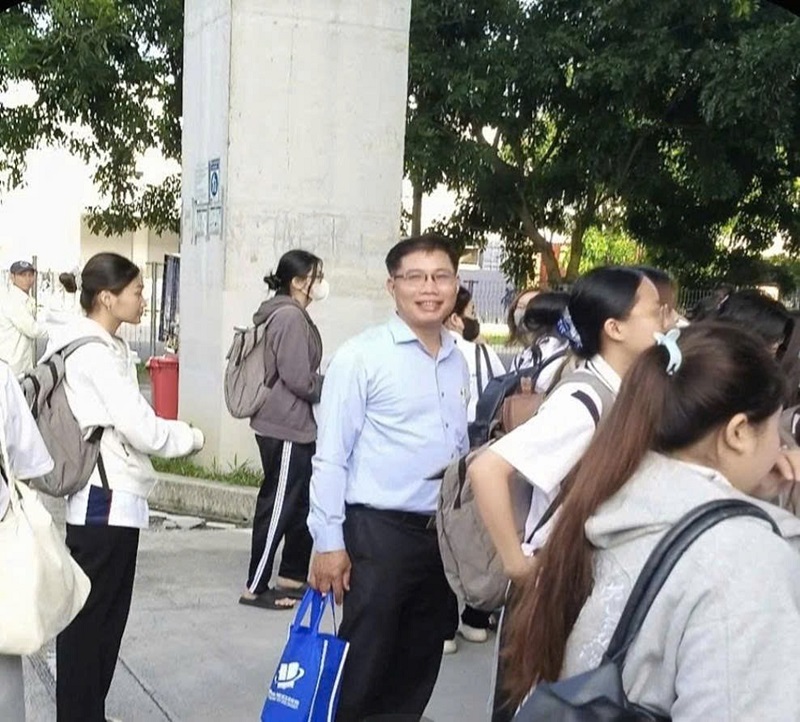
Student Chau Nhu Y: “I came to realize that the core value of an infrastructure enterprise lies not just in its land holdings, but in its data-driven and AI-powered management thinking to optimize tenant quality.”
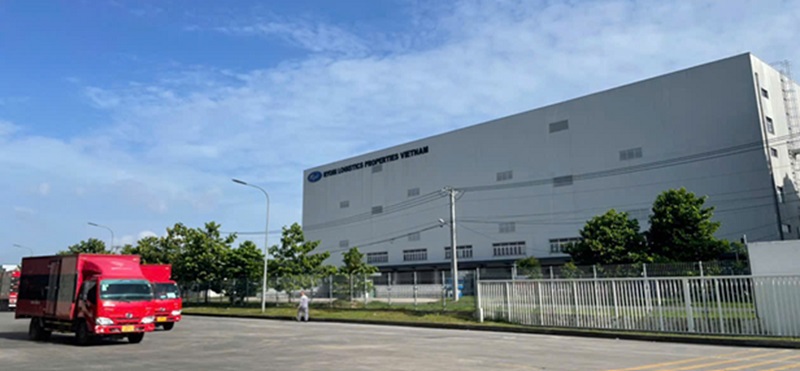
Student Bui Thi Lan Anh: “Mr. Phong has put tremendous effort into connecting our university with the business world. The invaluable real-world lessons on ‘friend-shoring’ and environmental costs in modern management are solid foundations for us after graduation.”
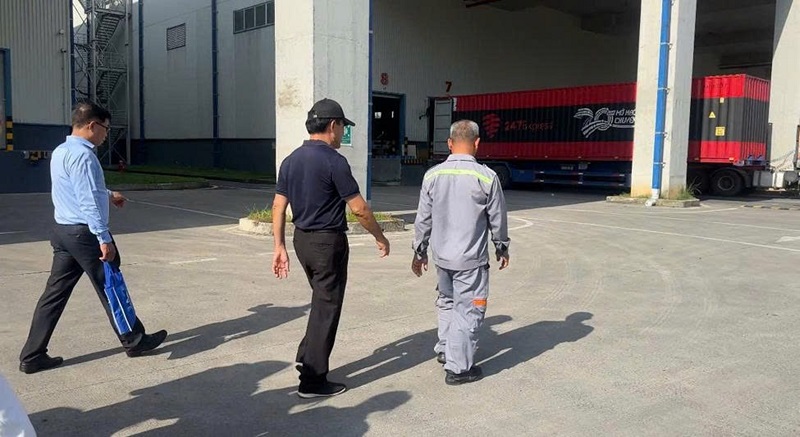
The field visit to BW Industrial and Tan Dong Hiep B Industrial Zone was far more than an extracurricular outing – it was a memorable professional experience. Students came away not only with a stronger grasp of the technical tools needed for project planning, but also with a more professional work ethic, strategic thinking, and a heightened sense of responsibility toward the country’s sustainable development. The dedication of the lecturer and the openness of the industry experts created a vivid, practical learning journey that gave students greater confidence on their path to becoming future public managers.
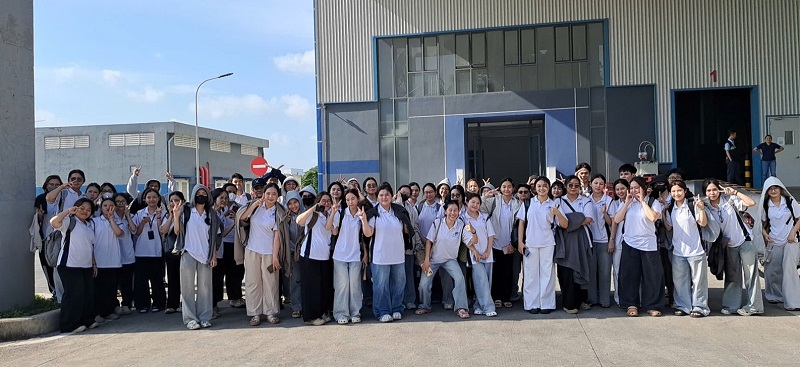
Student Hoang Nguyen Kim Ngan: “Through this field visit, I would like to express my sincere gratitude to lecturer Le Van Phong for organizing such a valuable and meaningful real-world learning experience. The combination of classroom instruction and on-site observation allowed students to directly compare academic knowledge with real-world practice. Throughout the program, the lecturer consistently guided and supported us, reminding us of the visit’s objectives and what to observe and record for both our studies and our final report. This helped us approach the experience with clear direction and deepen our understanding of the Public Project Management course. Through this activity, I have come to appreciate that integrating theory with practice leads to significantly more effective learning – giving me a more comprehensive view of project management and motivating me to continue studying and developing in the time ahead.”
Source: Mr. Le Van Phong (M.A.) – Lecturer, Faculty of Economics and Public Management
On the afternoon of July 11, 2026, students of class DH24PM01 attended a meaningful seminar at Room D31, Mai Thi Luu campus. The session was presented by Mr. Nguyen Hung Truong (M.A.) – Chief Accountant and Head of the Finance and Accounting Department of Tan Dong Hiep Industrial Zone Infrastructure Investment Group – and was facilitated by Mr. Le Van Phong (M.A.).
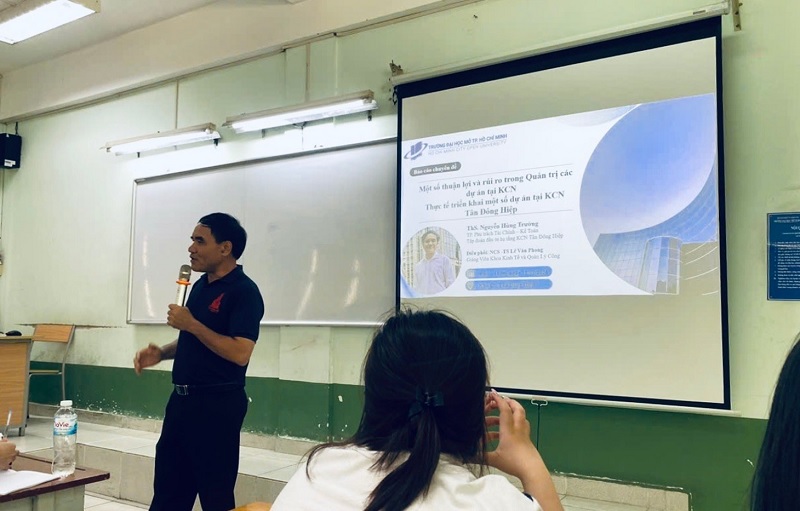
Mr. Nguyen Hung Truong shared insights on key advantages and risks in managing industrial zone projects, drawing on real-world implementation experience from Tan Dong Hiep B Industrial Zone.
Established in 2001, Tan Dong Hiep B Industrial Zone spans 215 hectares with a total infrastructure investment of VND 1,000 billion. It is a modern industrial ecosystem hosting 86 enterprises – including 33 foreign direct investment (FDI) companies such as Saigon Beer, Nippon, Yusen Logistics, and notably industrial real estate developer BW Industrial. The project has made significant contributions to local GDP and serves as a vital logistics hub connecting the Southern Key Economic Region.
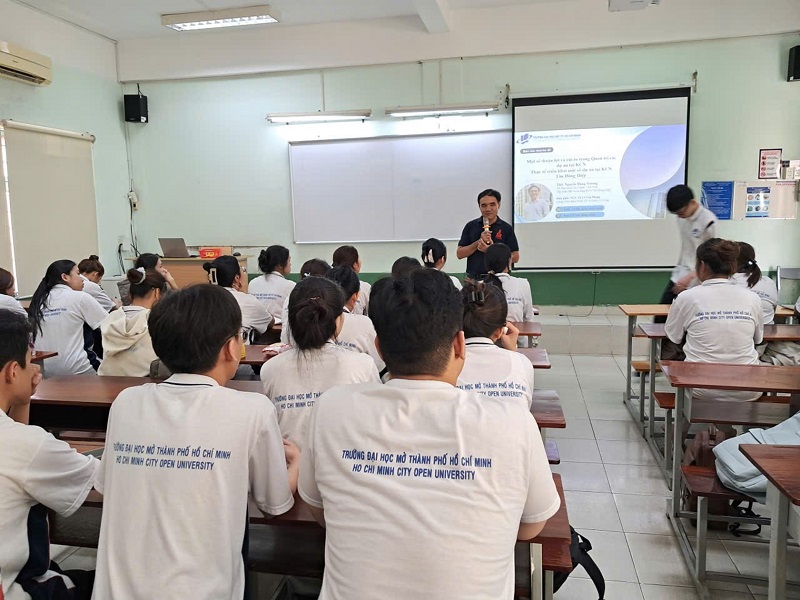
As part of the seminar and field study, students engaged in observation and real-world data analysis activities:
Project lifecycle analysis: The expert walked students through the three phases of an industrial project: pre-investment (legal preparation), investment (construction), and operation and exploitation.
Case study deep-dive: Students accessed real data from the Industrial Wastewater Treatment Plant Upgrade Project (total investment of VND 17.5 billion, capacity of 5,000 m³/day) and the overall industrial zone development project.
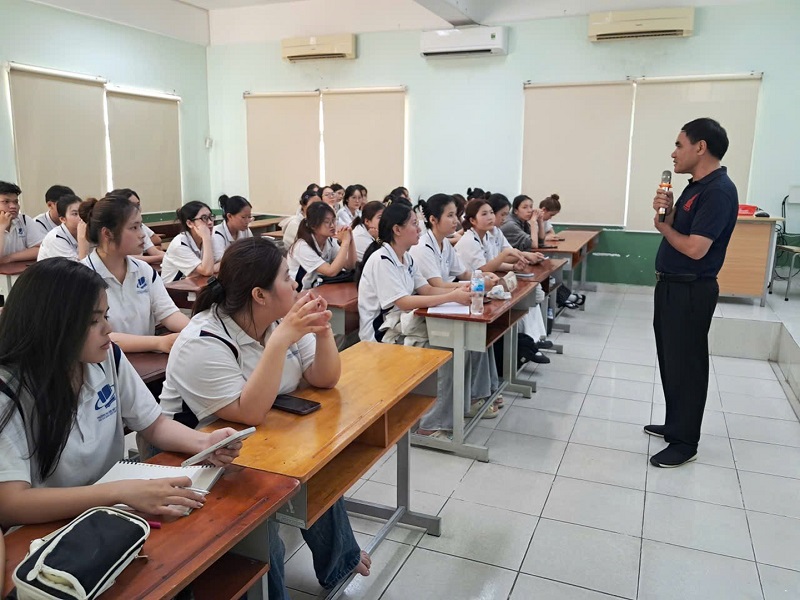
In-depth interaction: Students and the expert discussed the shift from conventional administrative management toward data-driven and AI-based governance, a transition underway since 2026.
The seminar served as the perfect “missing piece” to bring classroom theory to life:
Application of financial indicators: Concepts such as NPV, IRR, and B/C ratio became far more tangible when illustrated through the wastewater treatment project – which achieved an IRR of 19% – and the industrial zone infrastructure project, which reached an IRR of 52%.
Real-world risk identification: Students gained a deeper understanding of legal risks (land clearance and compensation), capital cost risks, and supply chain disruptions within a “VUCA” (volatile and uncertain) environment.
Sustainable development standards: The seminar highlighted the growing importance of ESG standards and Green Industrial Zones, helping students recognize that environmental costs – accounting for 20–30% of total investment – represent both a mandatory and value-generating investment.
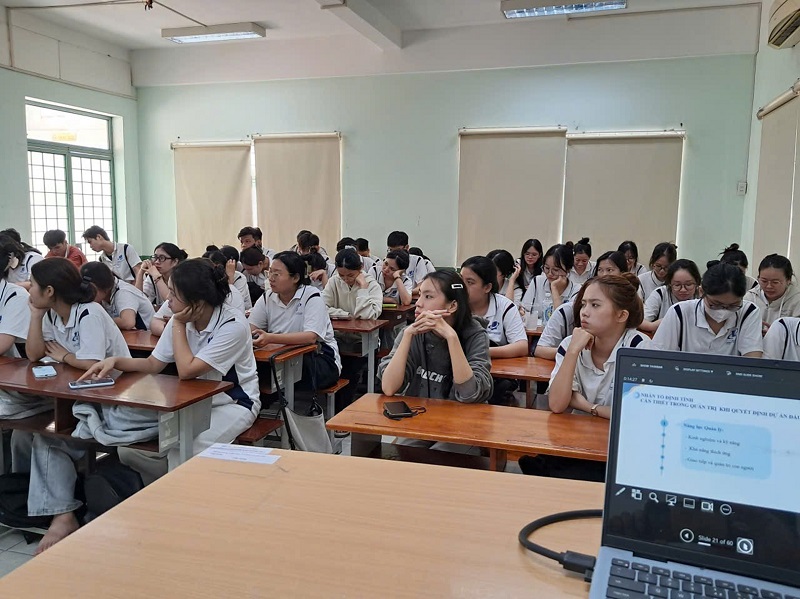
The session inspired students and reshaped the way many approached project management thinking:
Student Nguyen Tran Thanh Binh: “The seminar helped us gain a genuine understanding of the financial realities and challenges of project management in today’s volatile economic landscape.”
Student Nguyen Ngoc Thao Nguyen: “The Public Project Management course at the Faculty of Economics and Public Management has introduced a modern learning approach, seamlessly blending classroom theory with hands-on business experience. This eliminates the dryness of purely mathematical or theoretical management models. We are also deeply grateful to Mr. Le Van Phong, who not only connected us with an expert from a major enterprise, but throughout the session consistently guided us with thoughtful, probing questions on the board to help us think critically and grasp the core of each issue. His enthusiasm, professional yet approachable teaching style, and genuine dedication have been a great source of inspiration for our learning and future career direction.”
Student Bui Thi Lan Anh: “This course is not just theory – it is a compass that helps managers make critical decisions for large-scale projects.”
Student Nguyen Phuong Ngan: “Public Project Management has not only equipped me with specialized knowledge but also helped me develop organizational thinking, problem-solving skills, and the ability to adapt to unexpected situations during project implementation. This will be an important foundation as I continue to study, intern, and eventually work in the field of public management. To me, the true value of this course lies not in the volume of knowledge absorbed, but in the real-world experiences gained throughout the field study. Being able to observe a working environment firsthand, listen to stories from business professionals, and witness how projects are actually managed has made me realize that the gap between theory and practice can only be bridged through experience. I sincerely thank Mr. Phong for his dedicated guidance, organization, and for creating the opportunity for our class to take part in such a meaningful learning experience. He always looks out for his students, conveys knowledge through practical examples that are easy to understand and remember, and his passion and commitment have made these sessions and field visits truly memorable.”
Student Hoang Nguyen Kim Ngan: “The idea that resonated with me most was: ‘To become a leader, one must first learn to be a good person’ – a philosophy that lies at the heart of effective management and building organizational credibility.”
The seminar reaffirmed the core value of the Public Project Management course: success does not come from reactive decision-making, but from applying flexible strategies to uphold steadfast principles. The combination of Mr. Le Van Phong’s passion for teaching and Mr. Nguyen Hung Truong’s hands-on industry expertise has equipped students with a sharp, adaptive mindset – ready to navigate the digital economy and the evolving landscape of sustainable development in the years ahead.
Source: Students’ Association of the Faculty of Economics and Public Management
With the aim of raising awareness and equipping students with the knowledge and skills needed to protect themselves in the digital environment, on the evening of July 17, 2026, the Students’ Association of the Faculty of Economics and Public Management, Ho Chi Minh City Open University, organized the talkshow “Digital Shield – Staying Safe in Cyberspace” at Hall 202, Ho Hao Hon campus, with the participation of over 200 students.
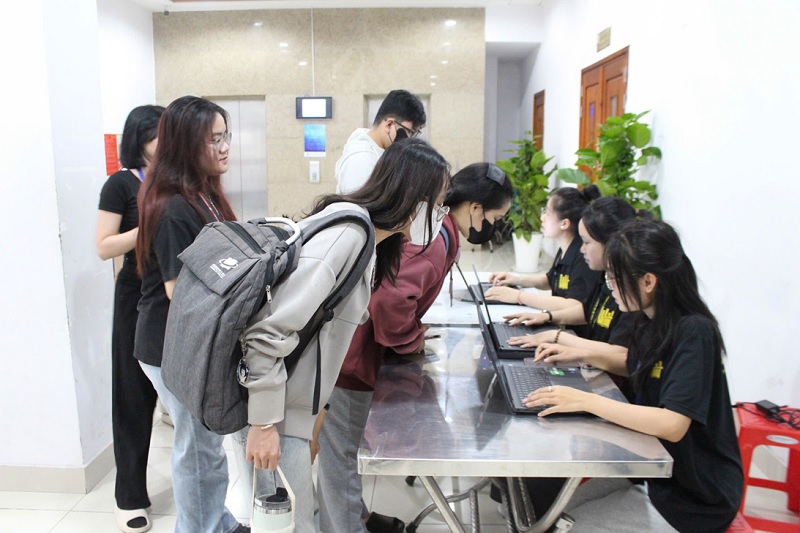
Students checking in before the talkshow “Digital Shield – Staying Safe in Cyberspace”
The program was organized in the context of an increasingly rapid digital transformation, bringing with it growing challenges related to information security, personal data protection, and online fraud. Through this event, the Faculty of Economics and Public Management sought to contribute to raising students’ awareness, strengthening their digital skills, and enhancing their ability to protect themselves during their studies, work, and use of online platforms.
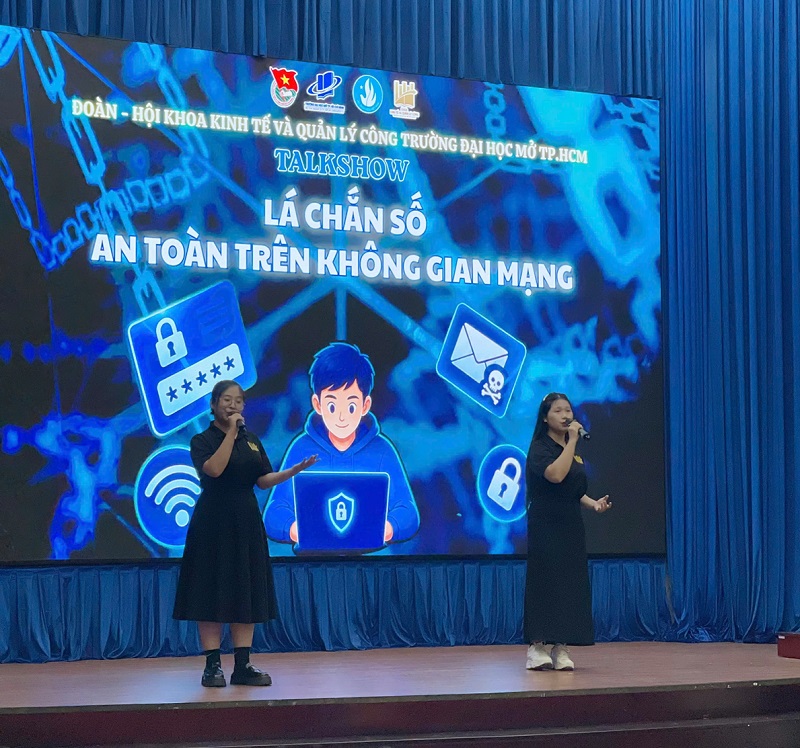
Musical performance “Strides of Youth” opening the program
Joining the program as guest speaker was Mr. Nguyen Van Bay (M.Sc.), lecturer at the Faculty of Information Technology, Ho Chi Minh City Open University. Drawing on his experience in information technology and data, he delivered practical insights on cybersecurity threats, common online scams prevalent today, and solutions to help users proactively safeguard their personal data.
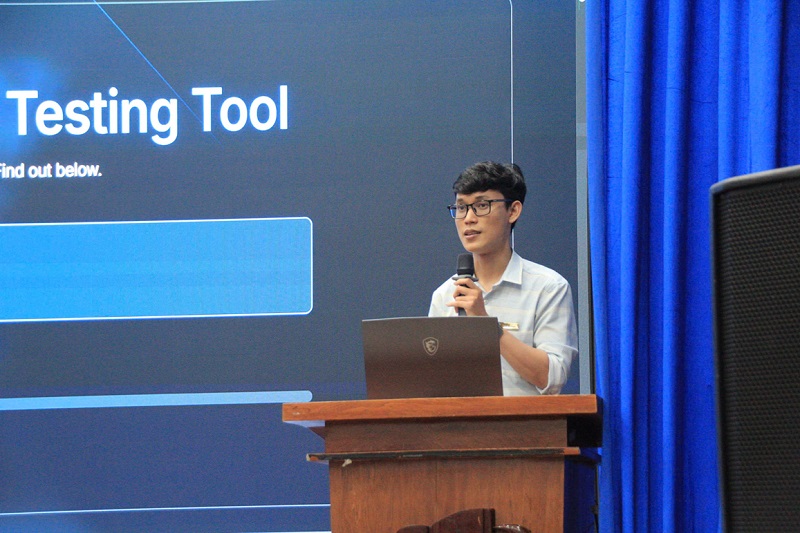
Mr. Nguyen Van Bay sharing essential knowledge and skills on cybersecurity with students
During the program, students were introduced to foundational concepts in information security, learned to identify high-tech fraud schemes, and explored key principles for safe social media use and personal data protection in the digital environment. The speaker also analyzed a range of real-world scenarios, giving students a more grounded perspective and enhancing their ability to recognize risks while using the Internet. The atmosphere became particularly lively during the Q&A and discussion segment between the speaker and students. Numerous questions were raised on topics such as personal data security, artificial intelligence (AI), online misinformation, and safe technology practices – sparking open and insightful exchanges. Through this, students not only had their practical questions answered but were also encouraged to develop a proactive, safe, and responsible approach to technology use.
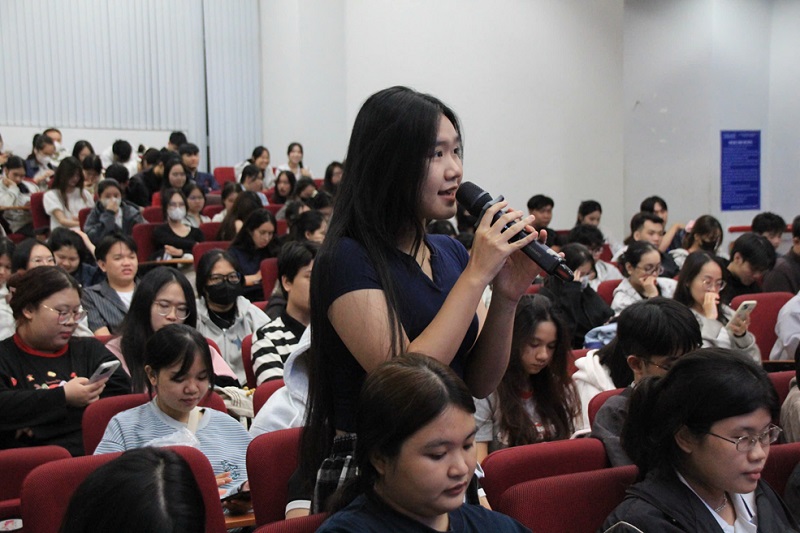
Students actively engaging in discussion and raising questions on cybersecurity issues
In addition to his expert presentation, Mr. Nguyen Van Bay also hosted an interactive mini game featuring questions centered on cybersecurity content. The activity created a lively atmosphere and helped students reinforce their knowledge in a fun and engaging way. At the end of the game, he personally presented prizes to the top three students who answered most accurately and quickly.
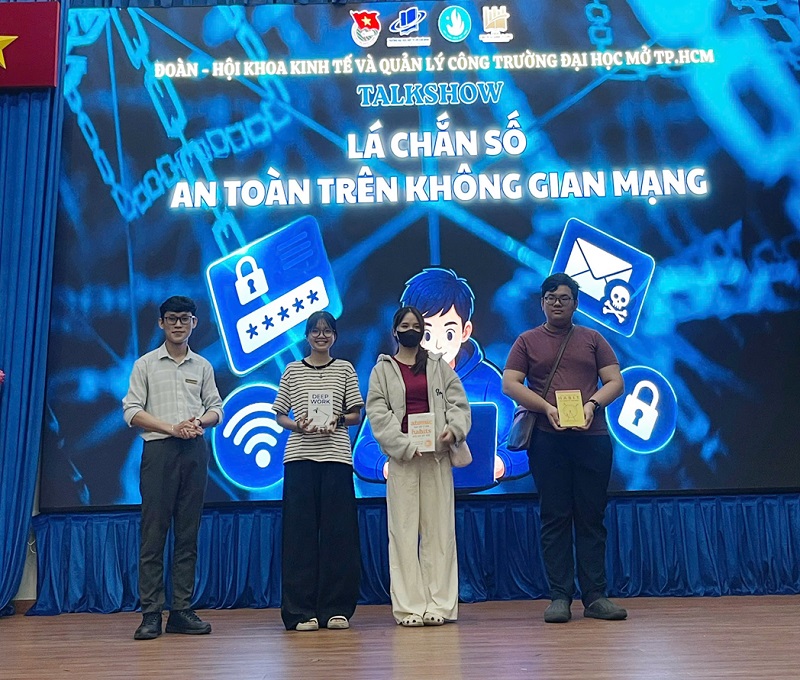
Mr. Nguyen Van Bay presenting prizes to the top three students for their outstanding performance in the interactive mini game
As part of the program, the Organizing Committee presented a thank-you letter to Mr. Nguyen Van Bay in recognition of his contributions and support for the Faculty’s student activities. Through the talkshow “Digital Shield – Staying Safe in Cyberspace”, the Faculty of Economics and Public Management once again reaffirmed its commitment to equipping students with essential skills for the digital age. The program not only delivered valuable knowledge on information security but also contributed to enhancing students’ adaptability, digital competency, and sense of responsibility in today’s learning, working, and integration environment.
The speaker, Organizing Committee, and students taking a group photo after the program
Source: Mr. Le Van Phong (M.Sc.) – Lecturer, Faculty of Economics and Public Management
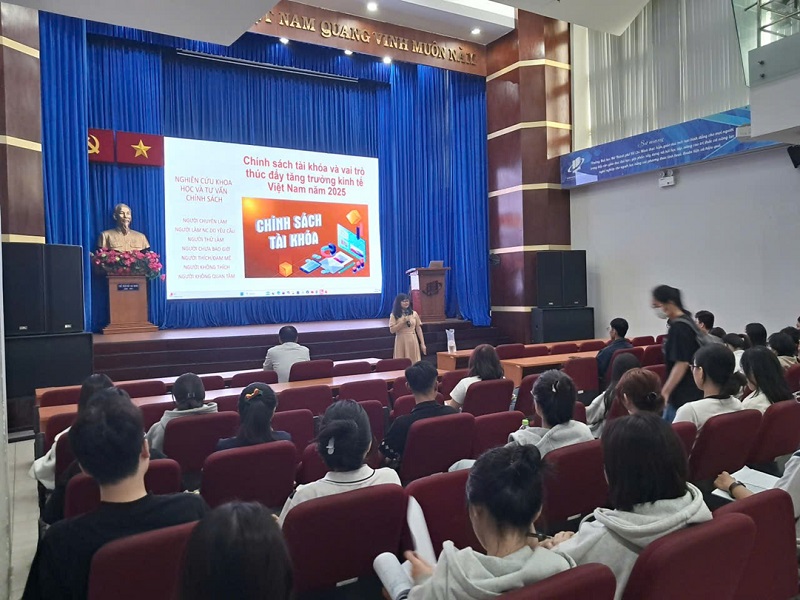
Have you ever wondered how GDP figures or VAT reductions actually affect your own wallet? On the morning of July 26, 2026, at Hall 202, 35–37 Ho Hao Hon Street, Cau Ong Lanh Ward, more than 160 students from classes EC2503 and PM2501 of the Faculty of Economics and Public Management had the opportunity to “decode” these questions at a highly engaging seminar as part of the Macroeconomics course, directly taught and organized by doctoral candidate Mr. Le Van Phong.
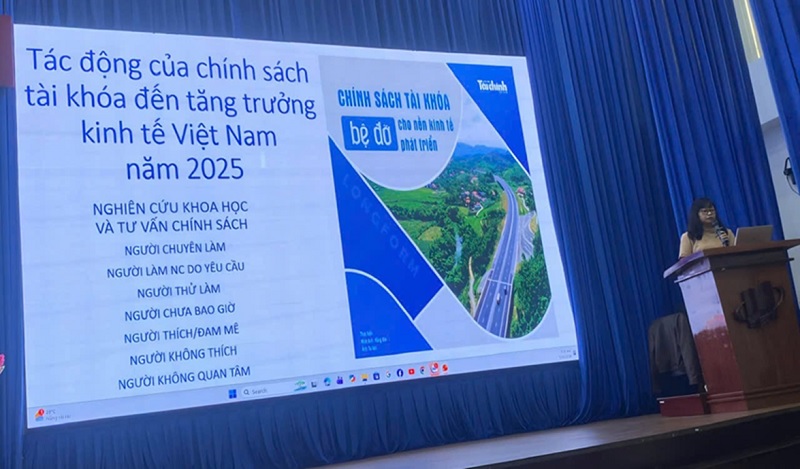
The seminar, themed “The Impact of Fiscal Policy on Vietnam’s Economic Growth in 2025,” took place in a remarkably lively atmosphere, led by guest expert Dr. Hoang Thi Thu Huyen – Deputy Director of the Institute of Social Sciences for the Southern Region – a seasoned expert known for her exceptionally clear and engaging delivery. During the session, Dr. Huyen highlighted the key financial “levers” the Government has deployed to drive economic growth:
Tax and Fee Breakthroughs: Continued reduction of VAT from 10% to 8%; increase of the personal income tax family deduction threshold to VND 15.5 million per month.
Public Investment Surge: 2025 recorded the largest public investment capital in history at VND 850.7 trillion, with over 3,000 km of expressways completed – a powerful boost to national infrastructure.
Digital Transformation in Management: 100% of enterprises now use e-invoices; applications such as eTax Mobile have made tax filing easier than ever.
Market Upgrade: Vietnam’s stock market officially joined the “Emerging Market” category, opening the door to international capital flows.
The “telling numbers” behind policy effectiveness – these management efforts delivered outstanding results for Vietnam’s economy in 2025:
Impressive GDP Growth: Reaching 8.02%, placing Vietnam among the top performers in the region and globally.
International Standing: GDP scale estimated at USD 514 billion, rising 5 places to 32nd in the world.
Income Improvement: GDP per capita reached USD 5,026, officially placing Vietnam in the upper-middle-income country group.
Beyond dry statistics, the seminar delivered invaluable takeaways: breaking down the barriers between abstract economic theory and real-world governance; sharpening analytical thinking, particularly the integration of economic and legal perspectives; and deepening understanding of the role of technology (AI, Big Data) in modern budget management.
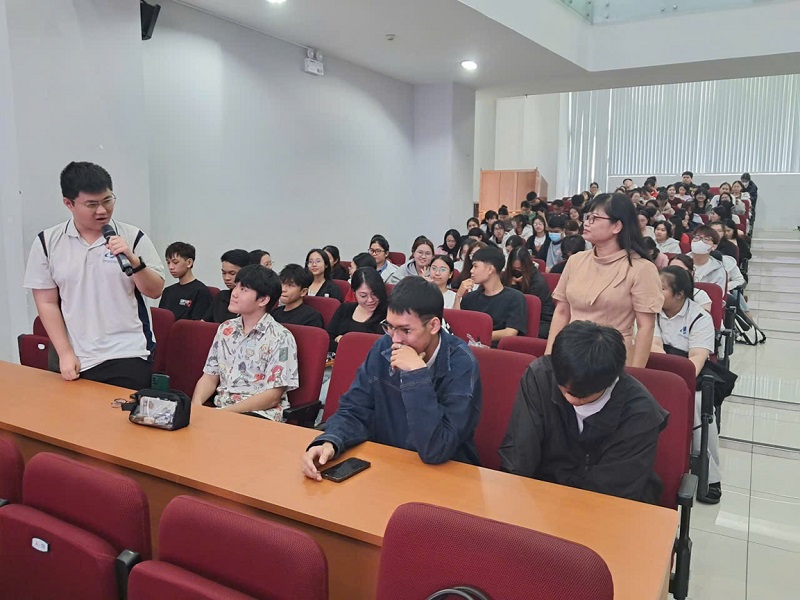
A few reflections on an ideal learning environment:
Student Ngo Phuong Thao, class EC2503: “The Macroeconomics course has given me a new ‘lens’ through which to observe how the world moves. Instead of seeing news about inflation, GDP, taxes, or exchange rates as dry numbers, I now understand the cause-and-effect relationships and the flow of capital. Our lecturer is a great source of inspiration, always incorporating real-world case studies – such as recovery packages and the Government’s latest directives – making the content easy to understand and remember. The classroom atmosphere is lively, with students actively engaging in multi-directional discussions, creating an environment that fosters critical thinking and effective teamwork.”
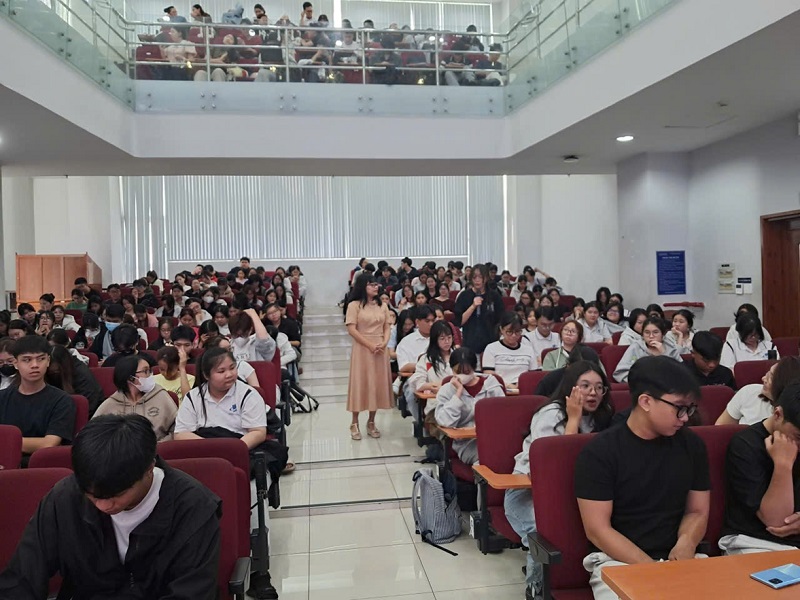
Student Duong Gia Huy: “Dr. Hoang Thi Thu Huyen is truly inspiring. She not only teaches knowledge but also patiently answers every question, making complex concepts accessible and relatable. Mr. Le Van Phong responds to students’ questions thoroughly and clearly. The classroom feels serious yet comfortable – not too cold or too warm, with a clear wide screen and good audio. The course has real depth and a research-oriented feel, with strong relevance to policy advisory and state governance, which aligns well with the economics major I am pursuing.”
Student Trinh Thi Thuy Trang, class PM2501: “Through the seminar, I gained a clearer understanding of the role of fiscal policy in economic management and realized that this knowledge is not just theory learned in the classroom – it is applied flexibly in practice. I now better understand the relationship between tax policy, the state budget, public investment, and economic growth, and I have come to appreciate the importance of using fiscal policy to support businesses, stabilize the macroeconomy, and ensure social welfare. The seminar also updated me on many real-world developments in Vietnam’s economy in 2025, enhancing my ability to analyze economic policies from the perspective of an economics student. I consider this a highly practical seminar, closely tied to the current economic context, making it easy for students to connect theory with reality. Dr. Hoang Thi Thu Huyen presented clearly, using many real-life examples and up-to-date figures that brought the content to life. She also created space for students to discuss and have their questions answered. Through this session, I feel I have a much stronger grasp of fiscal policy and a clearer sense of my own responsibility as a learner to stay informed about economic knowledge and government policies – both for my studies and my future career.”
Student Pham Truong Tuyet Minh, class PM2502: “The seminar helped me better understand the role of fiscal policy in regulating the economy. I came to see how tools such as taxation, public spending, public investment, and budget management directly affect GDP growth, inflation control, job creation, and people’s living standards. I also gained a deeper understanding of how the international economic context shapes policy-making in Vietnam. This knowledge has helped me apply macroeconomic concepts more effectively and improved my ability to analyze real-world economic issues.”
This seminar was more than just a class – it was a mind-expanding experience that left us more confident on the path to our future careers.
Source: Mr. Nguyen Chi Nguyen (M.A.) – Lecturer, Faculty of Economics and Public Management
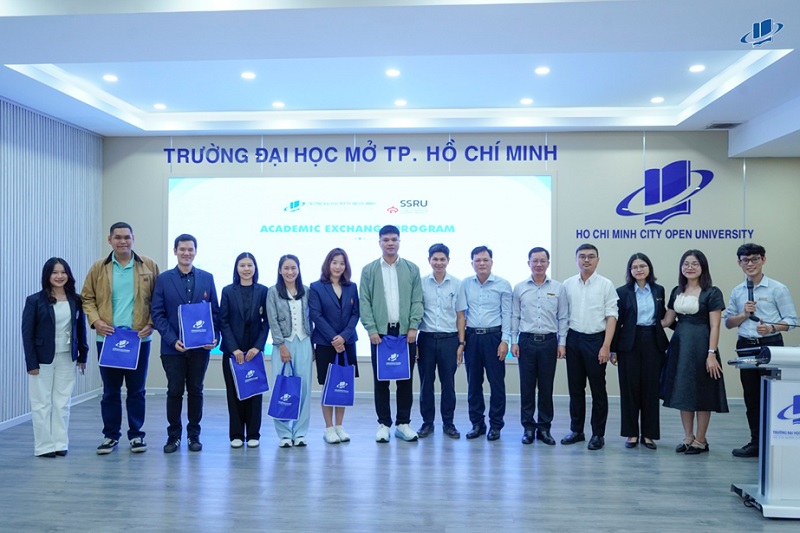
Delegates of Ho Chi Minh City Open University and Suan Sunandha Rajabhat University at the group photo
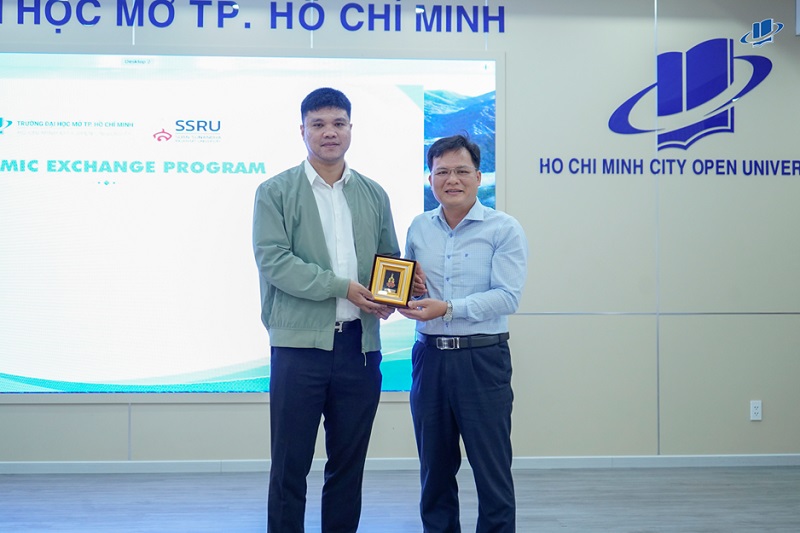
Representatives of the two universities exchange souvenir gifts
On July 28, 2026, Ho Chi Minh City Open University (HCMCOU) hosted an international academic exchange program with a delegation from Suan Sunandha Rajabhat University (SSRU), Thailand. The program was a meaningful occasion to strengthen academic cooperation, share knowledge, and foster the friendship between the two higher education institutions.
The SSRU delegation comprised 10 faculty members and 15 undergraduate students from the Police Administration Program, College of Politics and Governance. The delegation was led by Asst. Prof. Dr. Wanchak Noichan, Dean of the Graduate School, together with Assoc. Prof. Dr. Buabuttri Ronnaritivichai, Asst. Prof. Dr. Rapeepat Juntanintorn, Asst. Prof. Dr. Duangphon Saengthong, Asst. Prof. Dr. Boonwat Sawangwong, and Asst. Prof. Dr. Khanthong Jaidee.
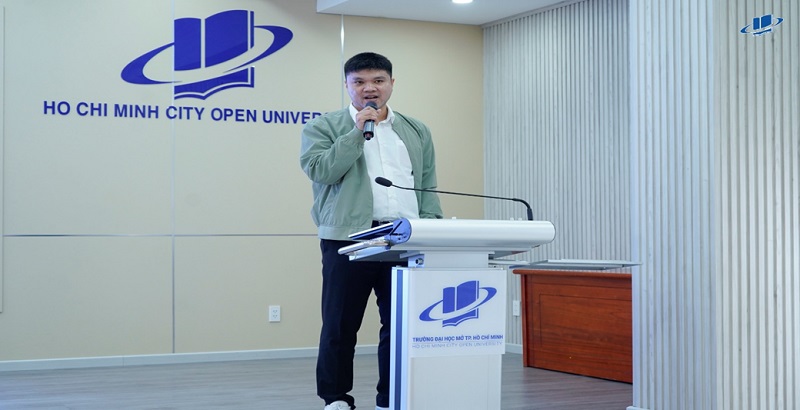
Asst. Prof. Dr. Wanchak Noichan – Dean of the Graduate School (SSRU) speaks at the program
On behalf of Ho Chi Minh City Open University, the program was attended by Assoc. Prof. Dr. Le Thanh Tung – Dean of the Faculty of Economics and Public Management, Dr. Truong Hoang Vinh – Dean of the Faculty of Information Technology, and MA. Doan Bao Son – Deputy Director of the Public Management Program, along with lecturers and students from the Faculty of Economics and Public Management and the Faculty of Information Technology.
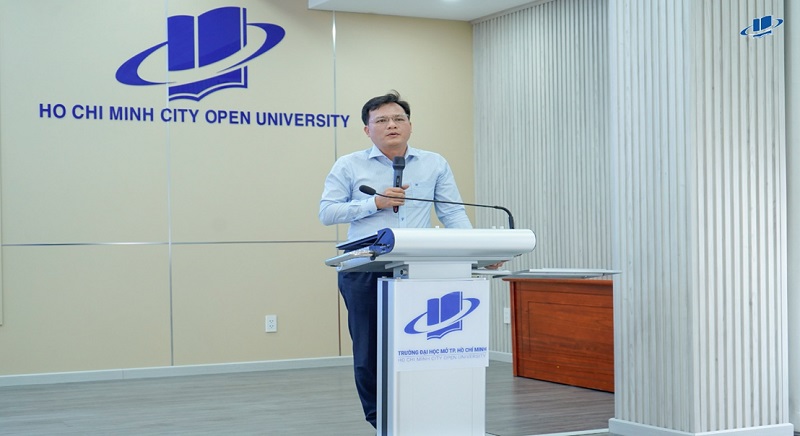
Assoc. Prof. Dr. Le Thanh Tung – Dean of the Faculty of Economics and Public Management speaks at the program
The program opened with a warm welcome from the representative of Ho Chi Minh City Open University, who expressed the hope that the visit would open up further opportunities for academic cooperation. The representative of Suan Sunandha Rajabhat University extended sincere thanks and highly appreciated the University’s hospitality. Both universities introduced their learning environments, training activities, and research through short introductory videos.
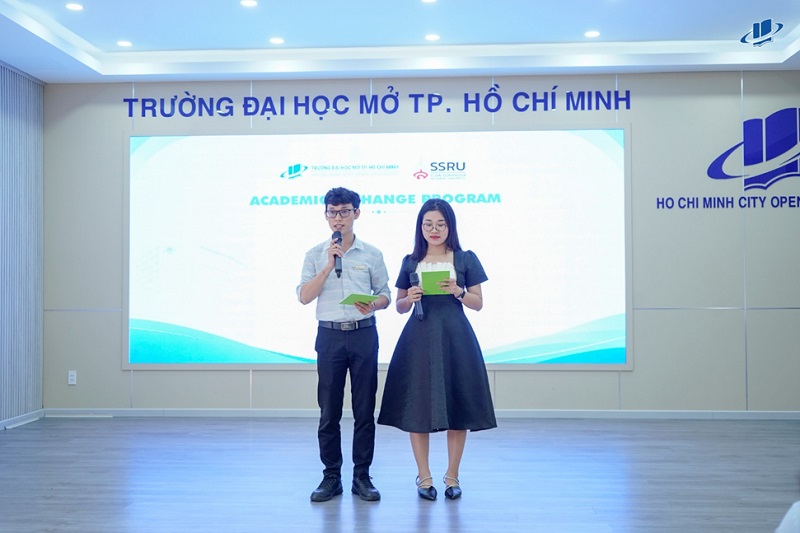
The opening of the academic exchange program
As part of the program, the SSRU delegation toured the University’s facilities, including classrooms, computer laboratories, the library, and the recording studio used for producing digital learning content. The tour gave the guests a closer look at the University’s modern learning environment and its commitment to flexible, accessible open education.
The SSRU delegation visits the University’s digital learning content studio
A highlight of the program was a series of presentations by lecturers of Ho Chi Minh City Open University. MA. Nguyen Minh Thu Hoang gave an overview of the Faculty of Economics and Public Management; MA. Nguyen Chi Nguyen introduced the Public Management Program; and MA. Van Minh Khoa presented on the role of Artificial Intelligence and Information Technology in Public Management. The presentations offered the guests a comprehensive view of the Faculty’s training and research activities as well as emerging technological applications in the field of public management.
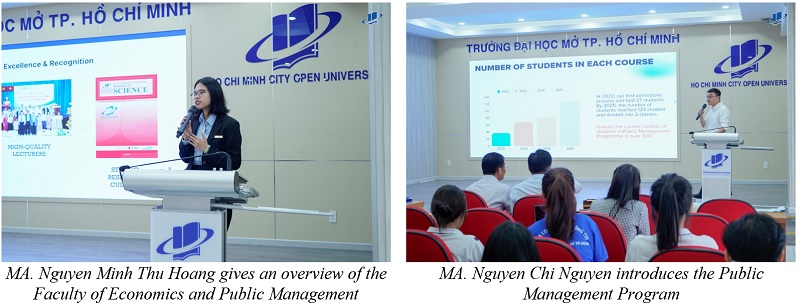
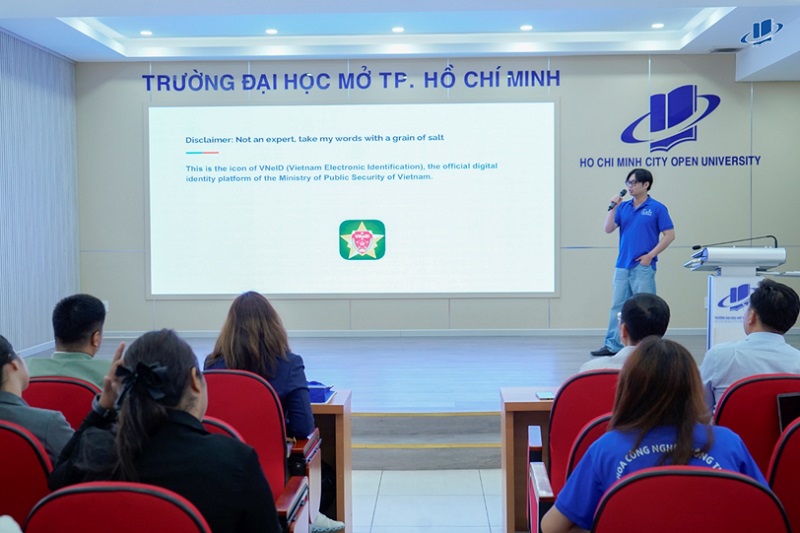
MA. Van Minh Khoa presents on the role of Artificial Intelligence and Information Technology in Public Management
In addition to the presentations by the host university, students from the Police Administration Program of Suan Sunandha Rajabhat University presented their own research projects. They introduced the topics, methods, and findings of their studies in the field of public administration and management, offering the audience many interesting and thought-provoking perspectives. Their presentations created a lively academic atmosphere and reflected the confidence, dynamism, and research and international spirit of the students from both universities.
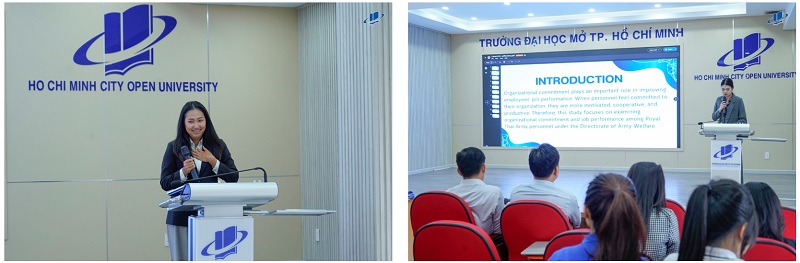
Students of Suan Sunandha Rajabhat University present their research projects
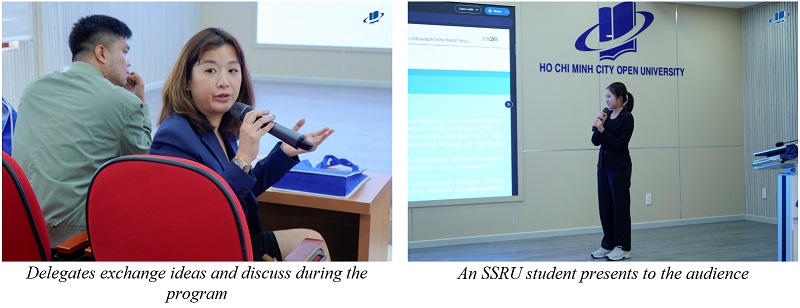
The program concluded with an open exchange and discussion between faculty members and students of both universities on topics related to public management, education, research, and the application of technology in the public sector. It provided a valuable opportunity for both sides to share perspectives and experiences and to build stronger connections.
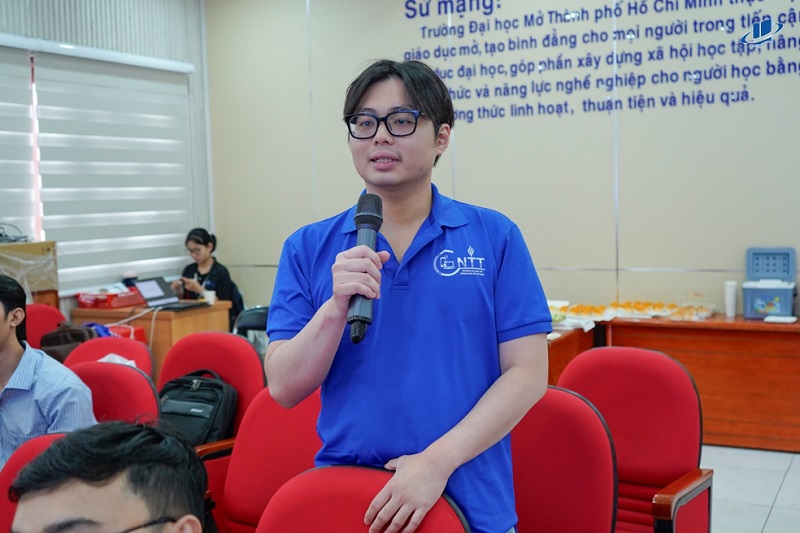
Faculty members and students of both universities exchange ideas and discuss
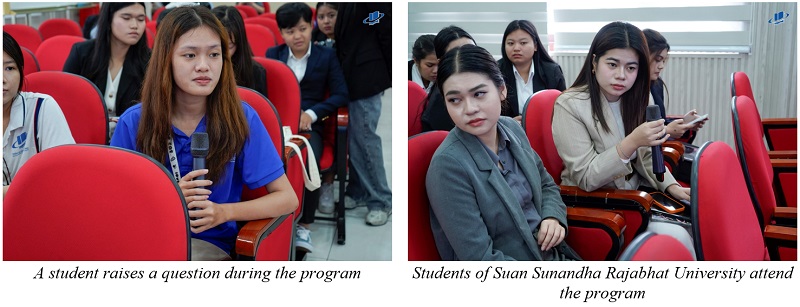
This academic exchange program not only strengthened the friendship and cooperation between Ho Chi Minh City Open University and Suan Sunandha Rajabhat University, but also opened up promising prospects for future academic cooperation, research, and exchange between the two institutions.
Delegates, faculty members, and students of both universities in a group photo
Source: Modern Public Management Club – Faculty of Economics and Public Management
On July 19, 2026, at Room 412, Campus 97 Vo Van Tan, Ho Chi Minh City Open University, the Modern Public Management Club (MPM Club), under the Faculty of Economics and Public Management, held an academic workshop titled “Digital Skills for Students – Ready for the Digital Future.” The program drew a large number of students interested in economics, public management, e-commerce, and digital transformation.
The workshop was honored to have the participation of Ms. Nguyen Hoang Ngoc Anh – Founder of Heona Media Communications Co., Ltd., AI Trainer & Digital Transformation Specialist, Lecturer at the Institute of Human Resource Management Science and Applied Artificial Intelligence (IHRAI), and founder of the “Building Inner Confidence” community. With many years of experience in communications, training, and digital transformation, the speaker shared practical insights on applying artificial intelligence (AI) and digital tools in study, work, and personal development.
At the start of the program, the speaker outlined the current landscape of digital transformation and emphasized the importance of digital skills for students amid an ever – changing labor market. Building on that foundation, the workshop covered several practical topics, including applying AI in study and work, methods for effectively leveraging digital tools, adaptive thinking in step with technological development, and the capabilities needed to meet workforce demands in the digital era.
Through real-world examples, relatable situations, and lessons drawn from professional experience, the speaker helped students gain a more comprehensive view of applying technology to improve learning efficiency and work productivity. Alongside introducing popular AI platforms, the workshop also highlighted the importance of critical thinking, the ability to filter information, and the responsible use of technology – essential capabilities for students to proactively adapt to the study and work environment of the digital age.
Beyond delivering professional knowledge, the workshop also created an open space for exchange between the speaker and students. Many questions were raised and actively discussed, covering topics such as applying AI in learning, developing digital skills, the requirements businesses have for young talent, and the opportunities and challenges of digital transformation. The active interaction between the speaker and attendees contributed practical perspectives and value to the program.
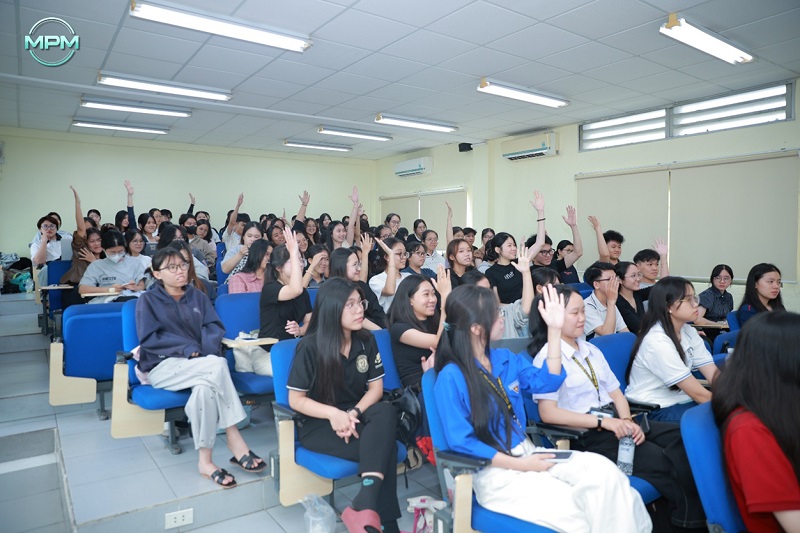
The “Digital Skills for Students – Ready for the Digital Future” workshop not only helped students update their knowledge of technology and digital transformation, but also raised awareness of the importance of lifelong learning, innovative thinking, and proactively developing one’s own capabilities. These are important foundations to help students confidently integrate, enhance their competitiveness, and be ready to seize career opportunities in the future.
Closing the program, the Modern Public Management Club (MPM Club) extended its sincere thanks to speaker Nguyen Hoang Ngoc Anh for her dedicated and valuable practical insights. The club also warmly thanked the faculty and all the students who took time to attend, actively participate, and contribute to the success of the workshop. This success will motivate MPM Club to continue organizing more meaningful academic activities, further supporting students in building the knowledge, skills, and readiness needed for growth in the digital era.
On April 7, 2024, at Hall 601, Vo Van Tan Campus, Ho Chi Minh City Open University, Talkshow “Connecting knowledge: Students with scientific research” was organized by YEC – a student club under the Faculty of Economics and Public Management. The event attracted the participation of many lecturers and students from faculties of OU.
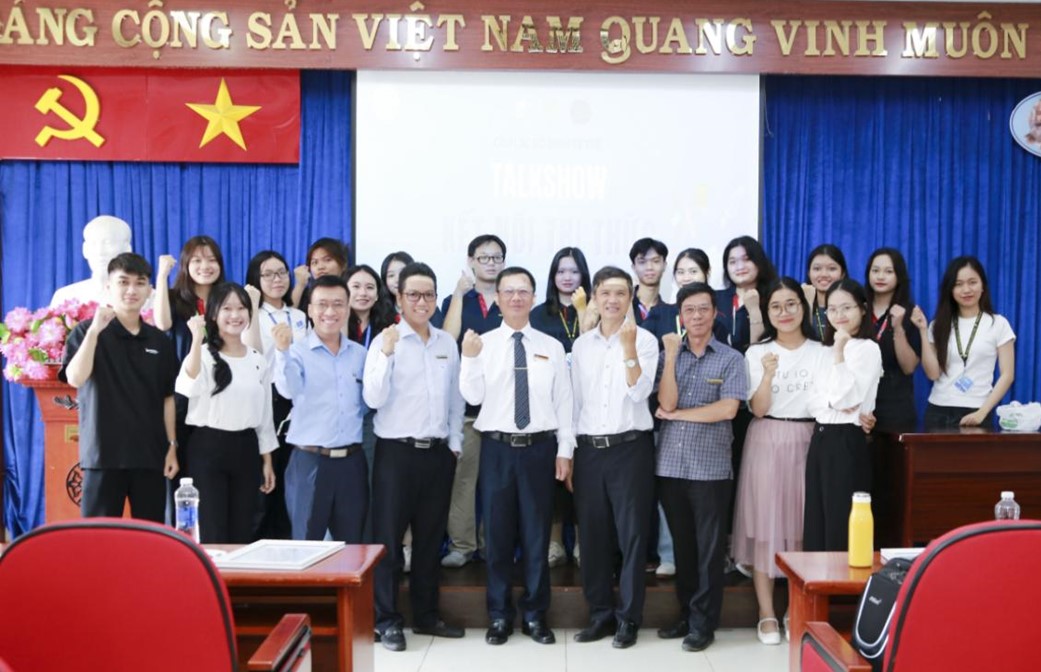
Lecturers, YEC members, and participants in the talkshow
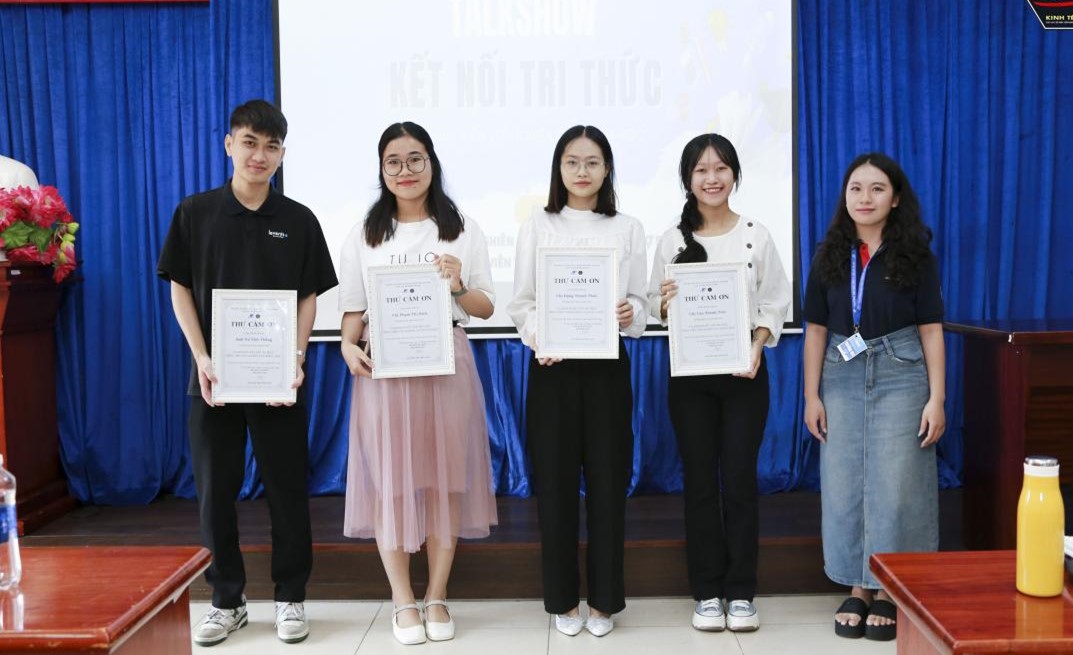
OU alumni and students with high achievements in scientific research
In the first part of the talkshow, Lecturer Nguyen Minh Nhut emphasized the importance of scientific research and the benefits that students can gain from this activity. His sharing highlighted the opportunities that scientific research brings to students such as increasing the opportunity to get scholarships to study abroad, expanding the network with lecturers and experts in various fields.
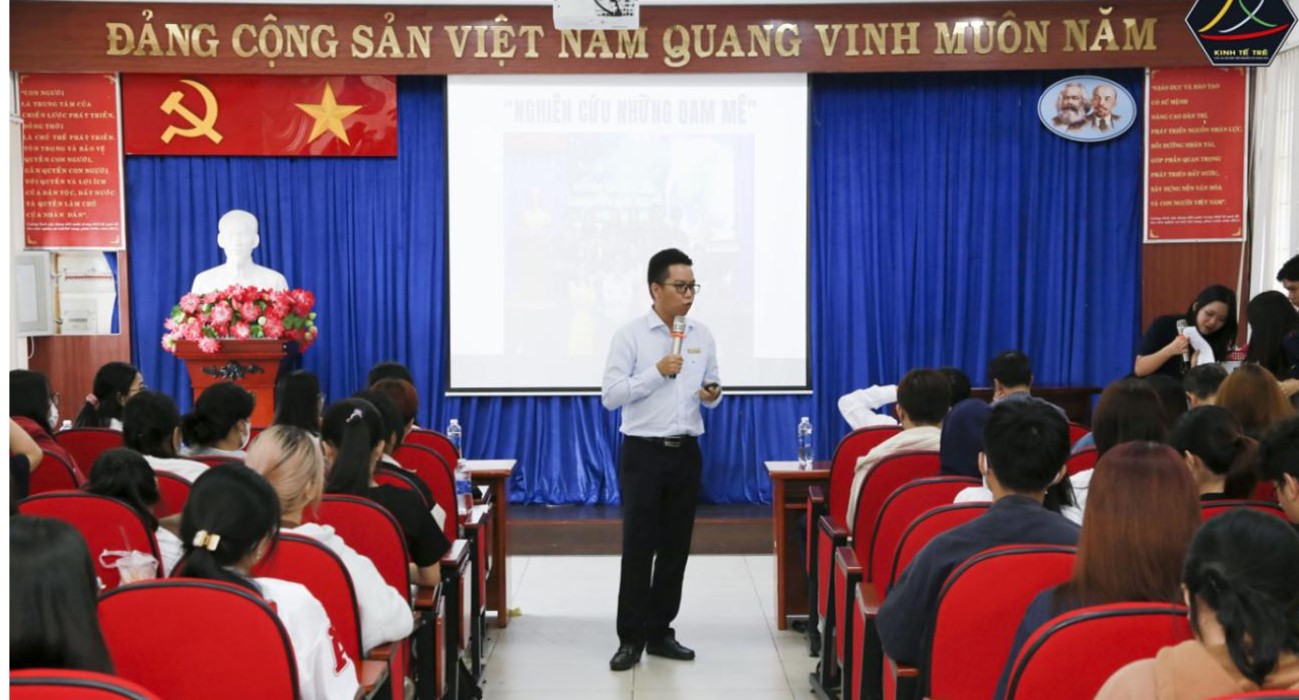
Lecturer Nguyen Minh Nhut
After that, Lecturer Doan Bao Son – Deputy Head of the Session of Public Management, shared deeply about issues that many students are concerned about: Does scientific research require excellent academic results? What do students who are just starting to do research need to equip? He also shared valuable experiences to help students who want to publish their research papers in prestigious scientific journals around the world.
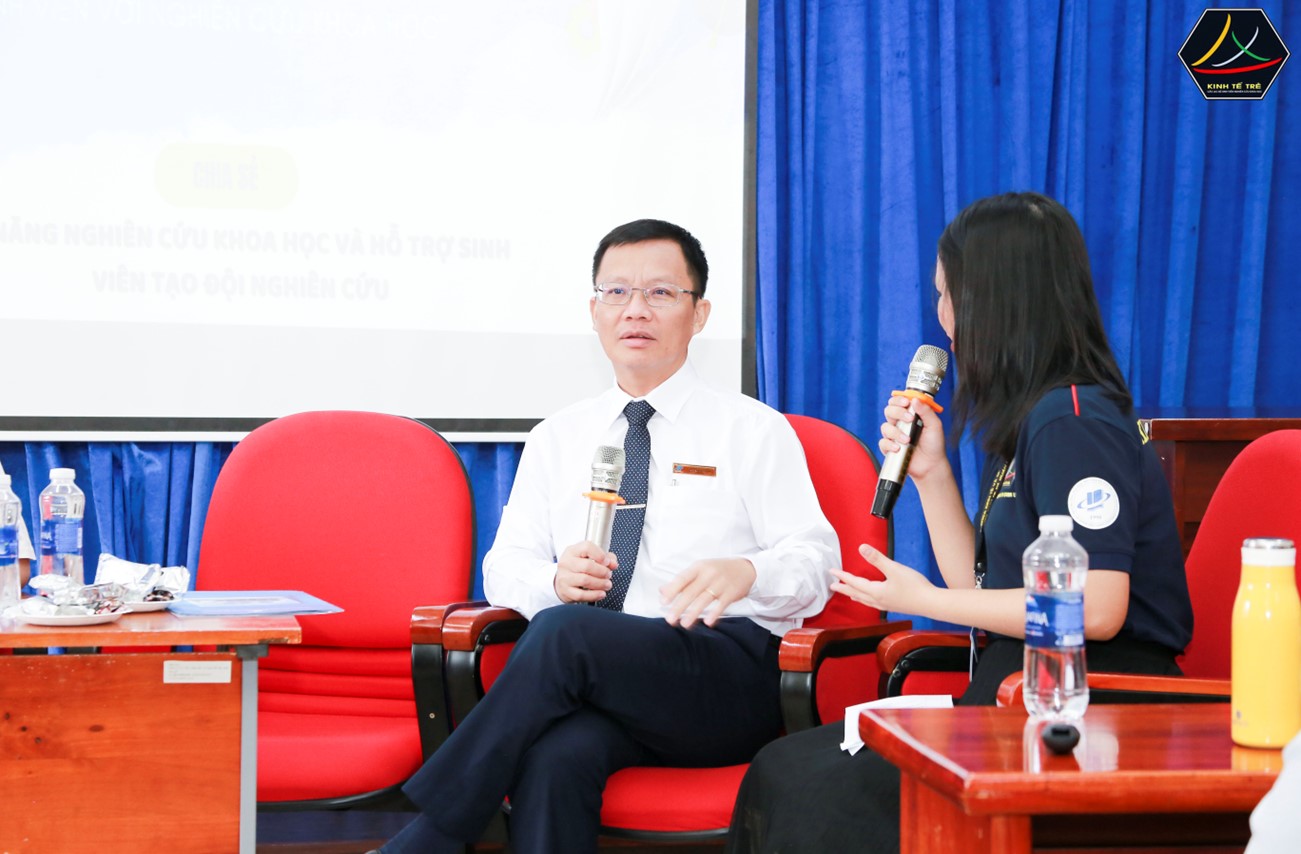
Lecturer Doan Bao Son
The program continued with the sharing of student Vu Viet Thang, Vice President of YEC for the 2022-2023 school year, who sincerely talked about the challenges he faced when he started his scientific research journey, as well as about the fate that led him to this field. He shared that joining YEC gave him the opportunity to meet excellent students and learn a lot from mentors and seniors, helping him overcome initial difficulties and move forward on the path of scientific research.
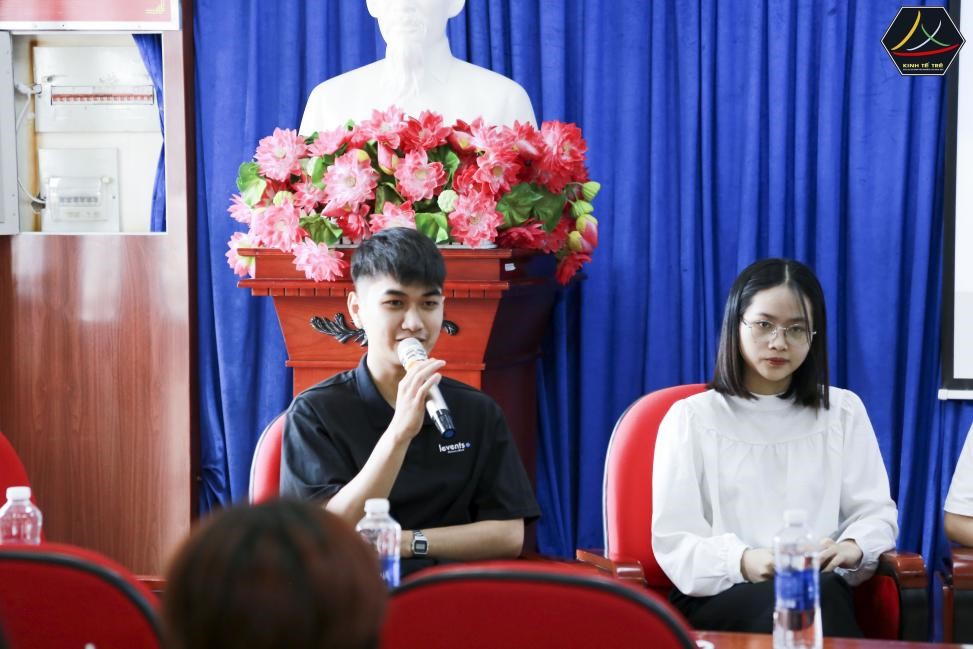
Student Vu Viet Thang – Vice President of YEC
Ms. Pham Thi Bich, an OU alumnus, currently working at the Faculty of Economics and Public Management, opened up about the challenges the research team encountered when participating in scientific research and fieldtrip surveys in Gia Lai, including traveling and collecting data, along with the experiences received after completing the project. Ms. Bich also shared the advantages of students with scientific research awards after graduating and participating in the labor market.
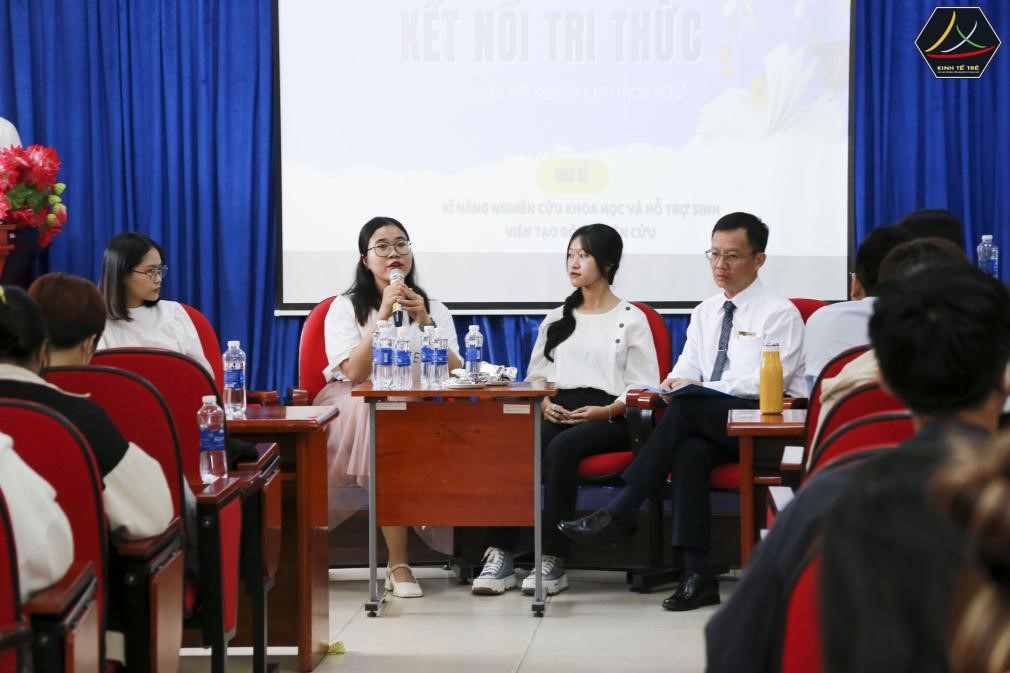
Ms. Pham Thi Bich
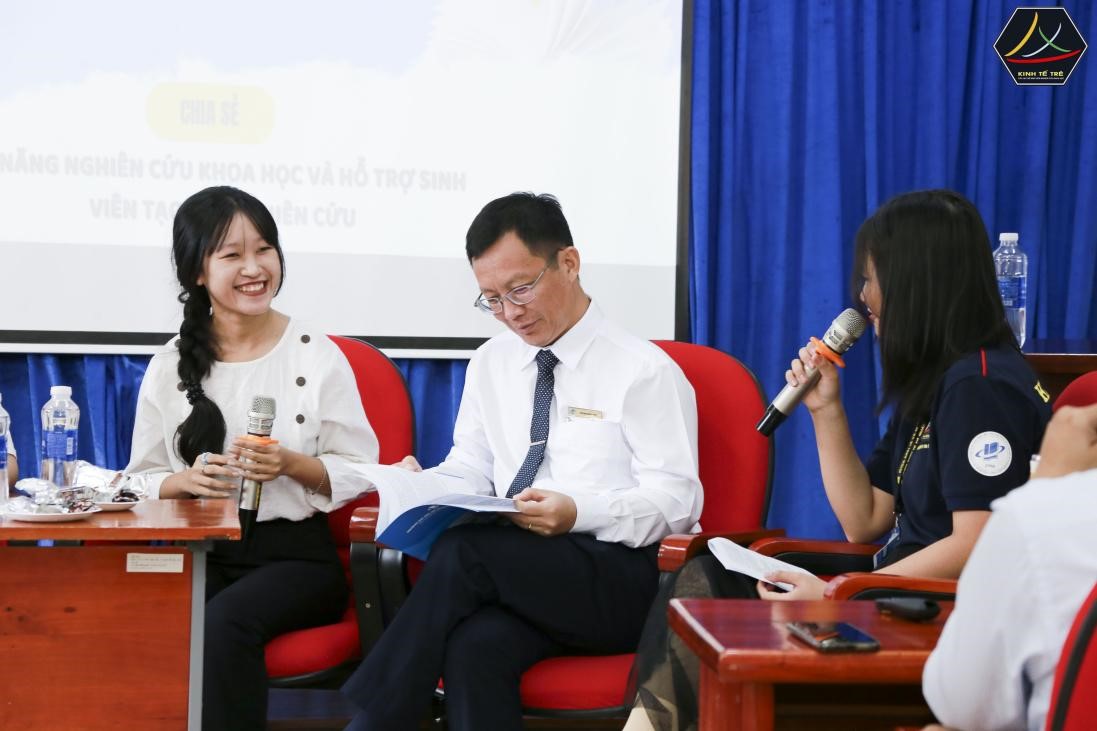
Student Cao Thanh Truc
Student Cao Thanh Truc emphasized the importance of foreign language skills and data analysis when doing scientific research. She shared practical experiences when her team collected data for the project on the Vietnam-Japan Economic Partnership Agreement (VJEPA), and memorable memories of her student days with the research team.
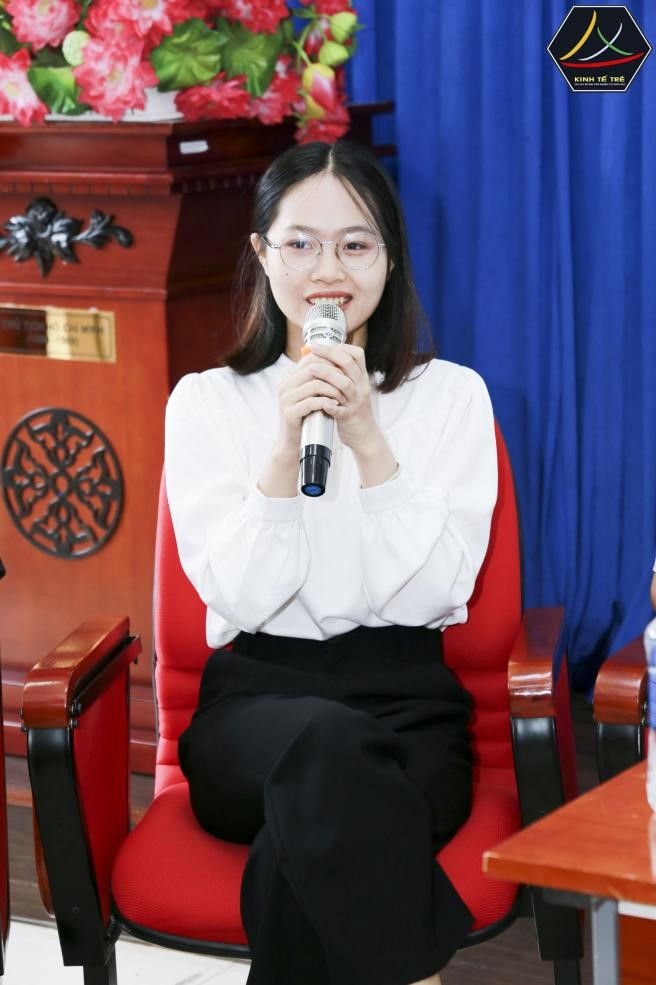
Student Dang Thu Thao
Student Dang Thu Thao talked about the advantages and difficulties of participating in scientific research for the second time as a group leader. She did not hesitate to share about her team’s challenges such as time management, conflict resolution and how to ensure goal achievement. According to Thu Thao, scientific research helps her meet great companions who motivate each other to progress together.
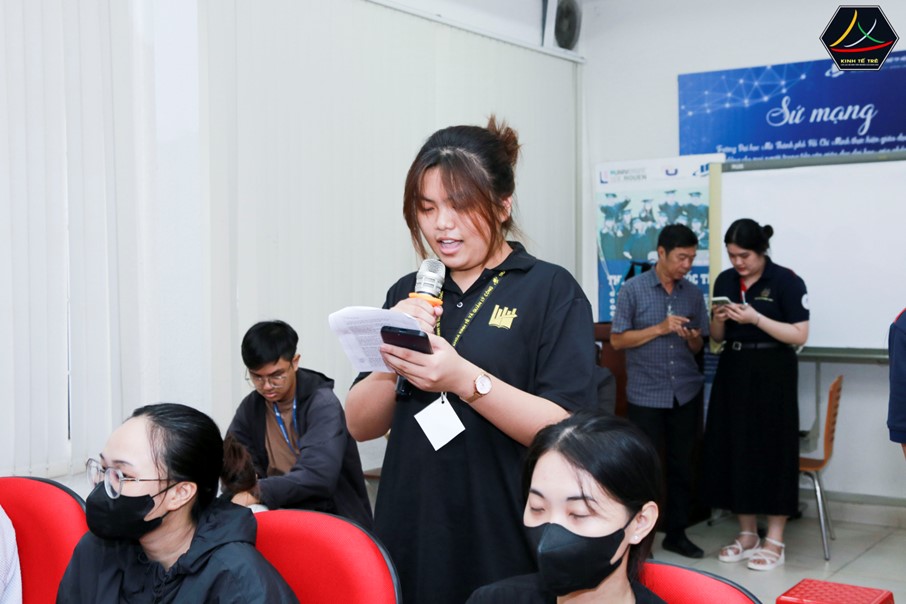
Q&A session
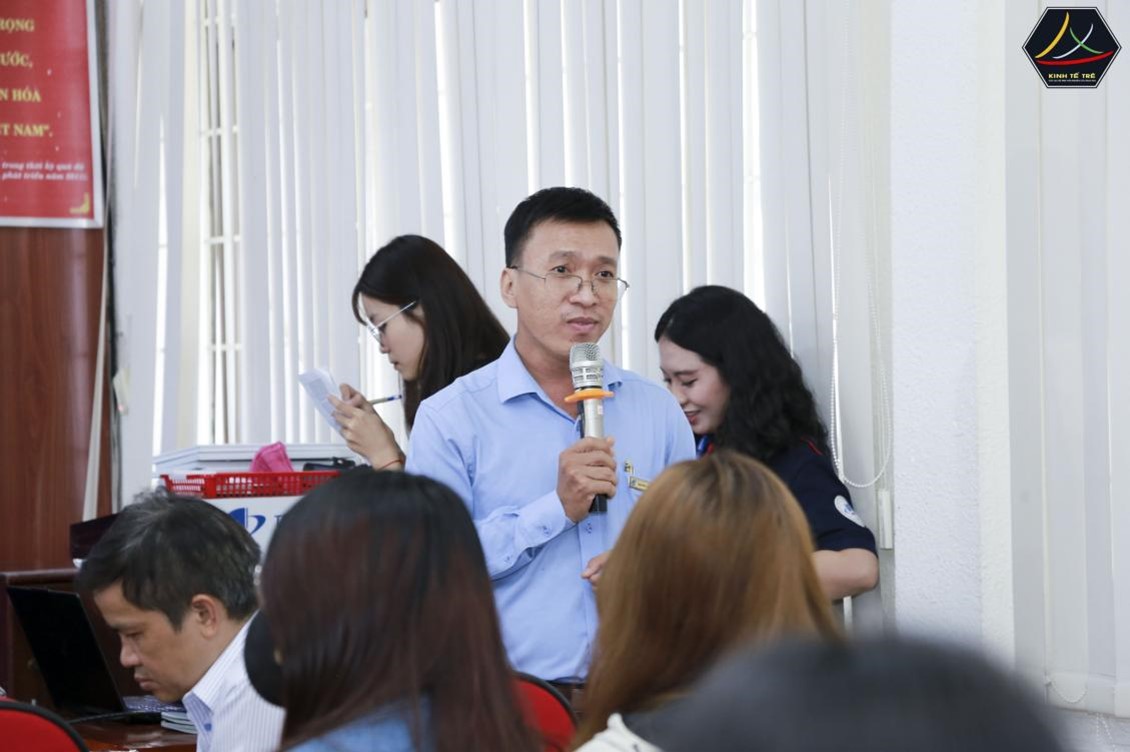
Lecturer Nguyen Thanh Cong in Q&A session
The Talkshow conveyed meaningful messages about the importance of scientific research and brought practical advice to students. This event not only spread great inspiration but also affirmed the role of research in the student community of Ho Chi Minh City Open University.